White Bluffs Cabin, WA 2026
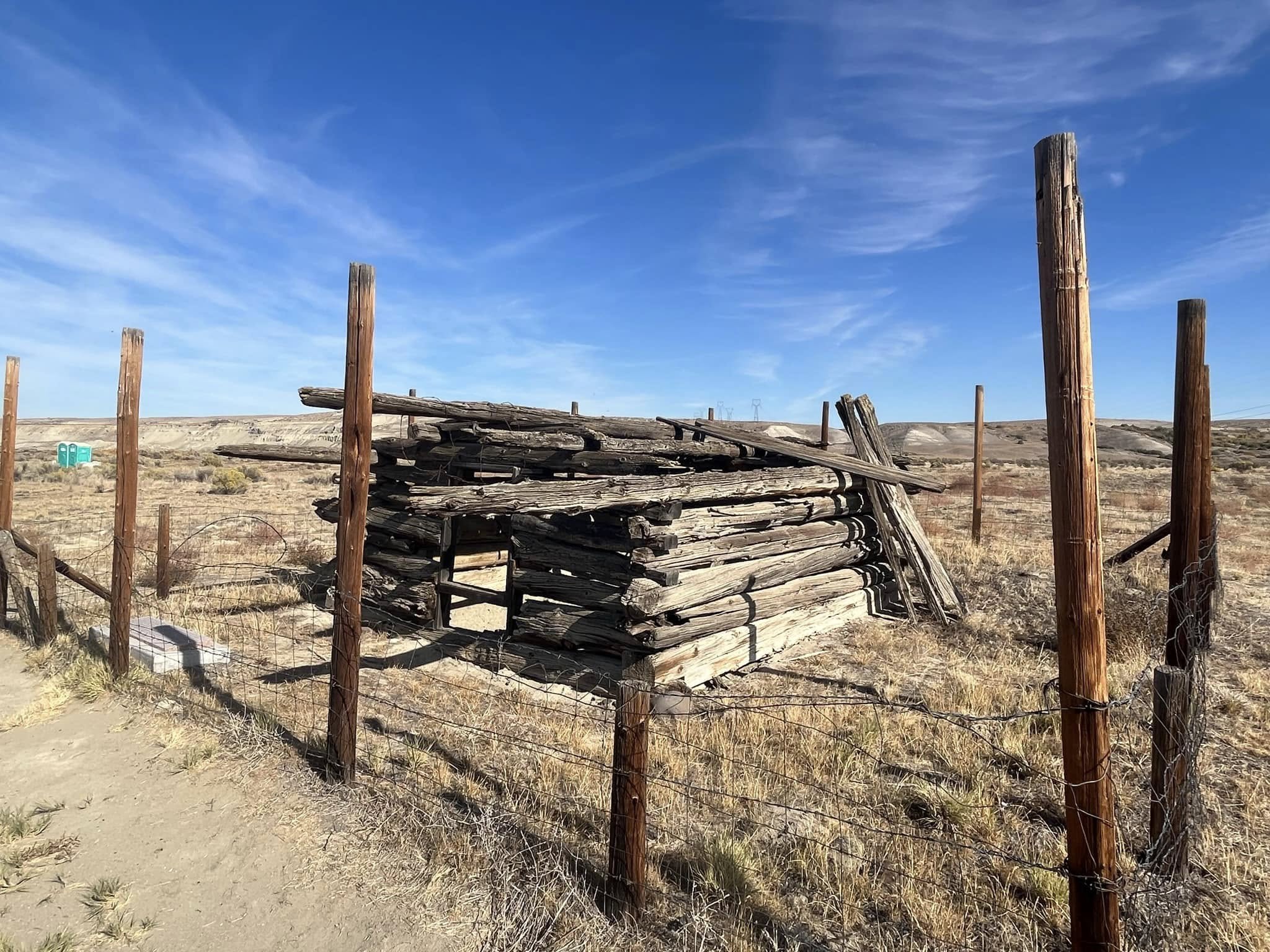
Uncover the mystery of Franklin County’s White Bluffs Cabin.
PROJECT PARTNER: U.S. Fish and Wildlife Service
SESSION DATES: July 12-17, July 19-24, and July 26-31 (NEW SESSION ADDED!)
CAPACITY PER SESSION: 7 Volunteers + 1 Kitchen Helper
PROJECT SUPERVISOR: Aaron Smith and Aric Smejkal!
ASSISTANT PROJECT SUPERVISOR: Aric Smejkal and Michael Guillot!
CREW LEADER: Assignment in progress!
Project Site Description & History
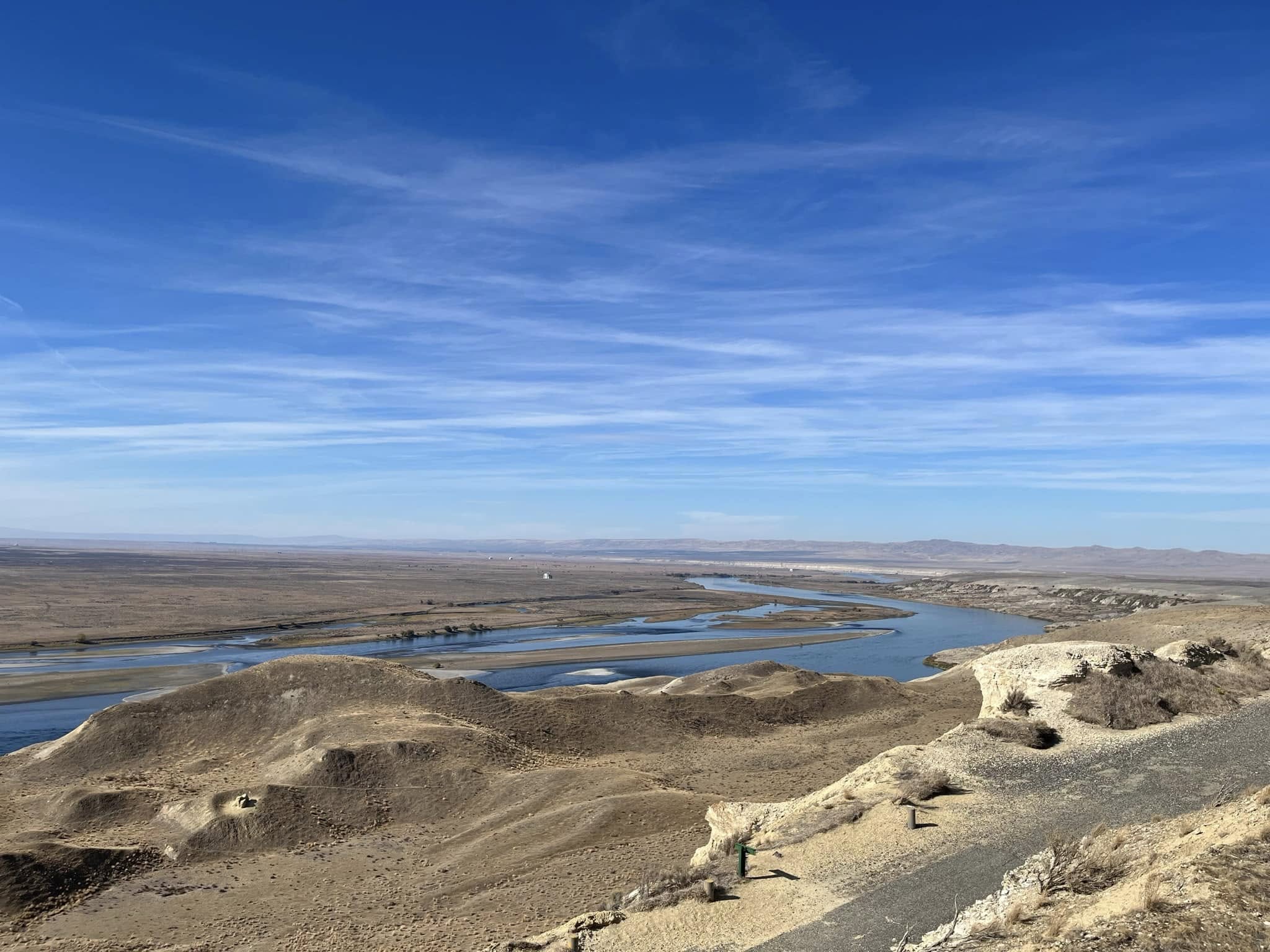
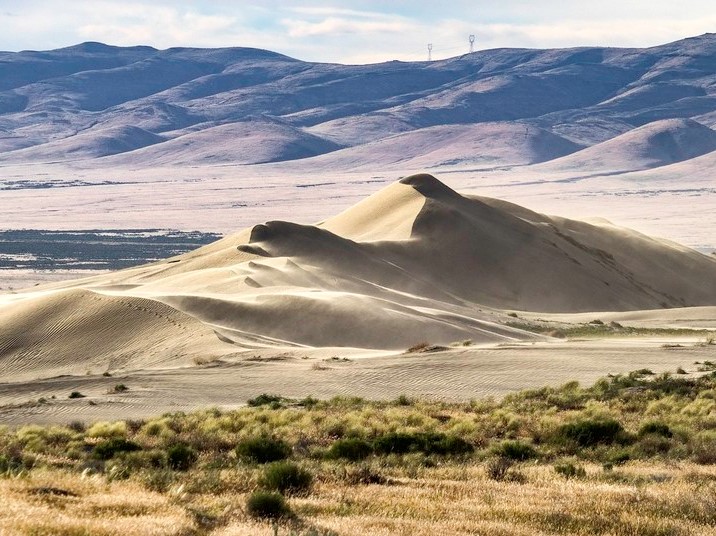
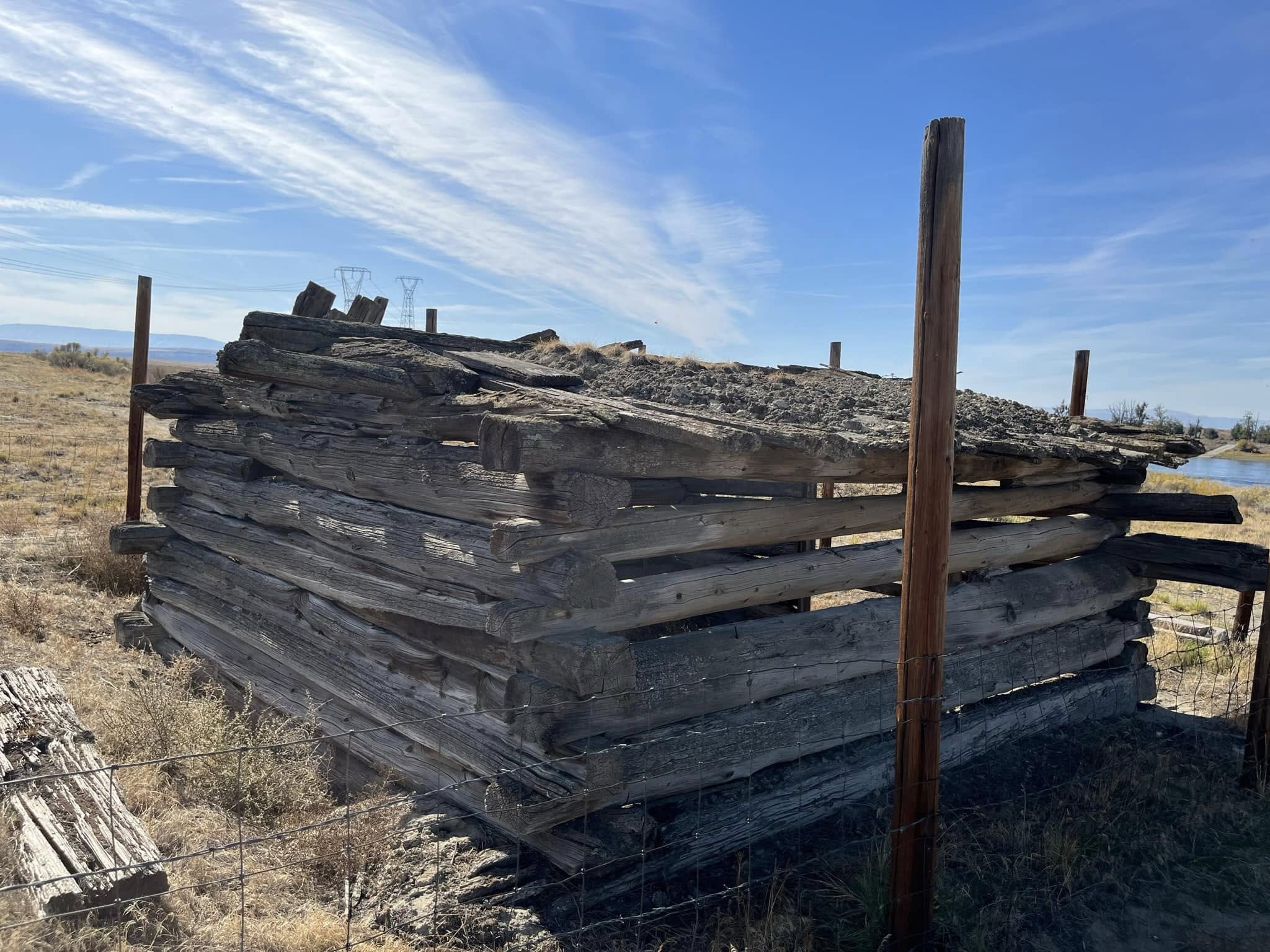
Surrounded by what is an unexpected landscape for the Pacific Northwest and outlooking the majestic Columbia River is the White Bluffs Cabin (also known as the Blacksmith Cabin or pioneer cabin). This primitive abode is located just a few minutes from the Hanford Reach National Monument Trailhead and is surrounded by the finest that nature has to offer within the area. Wildlife, geographical features, and vegetation abound in this unassuming desert landscape. Rambling sand dunes cascade the environment, painting a pastoral picture akin to a delicate work of art.
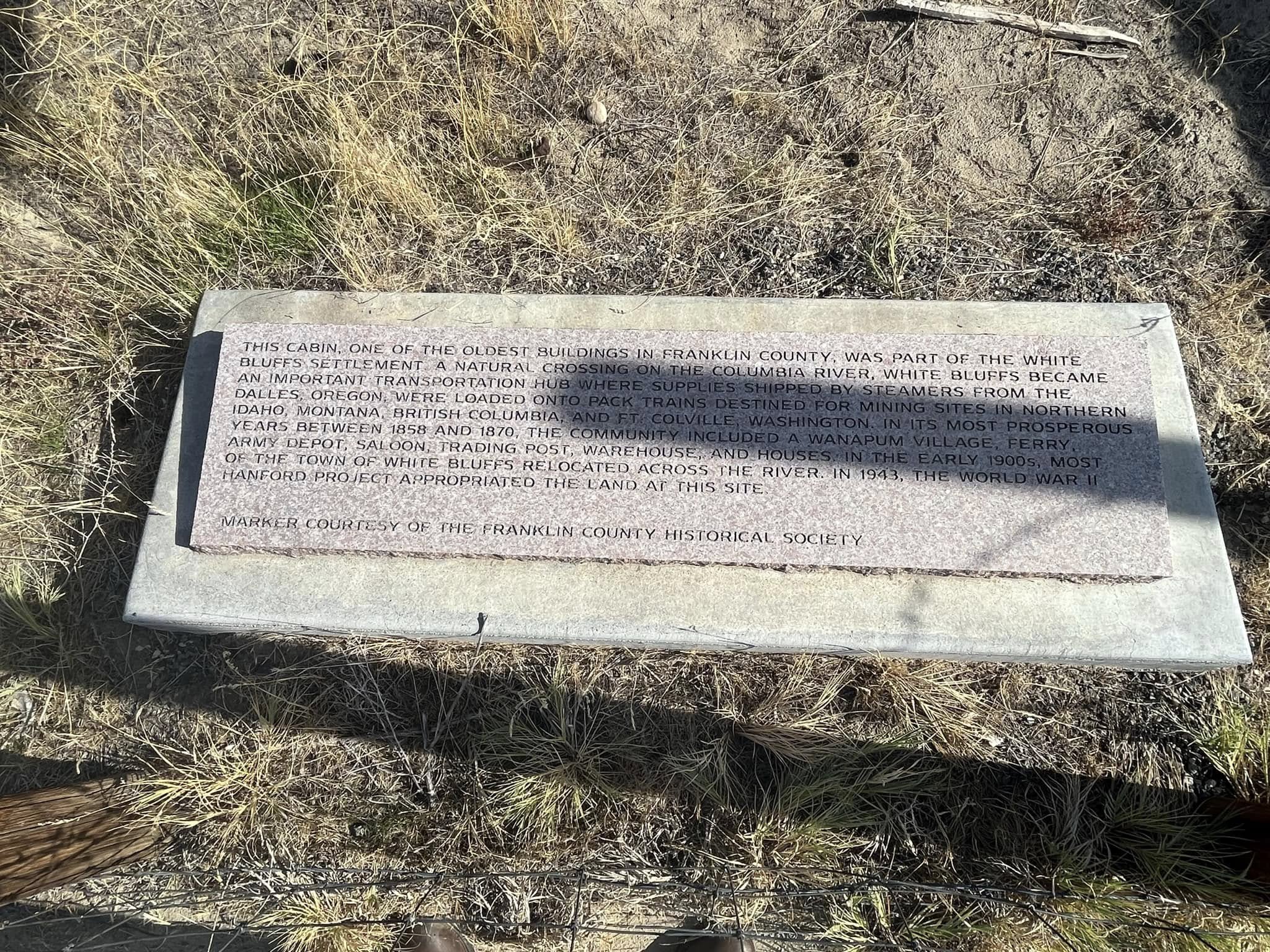
This bucolic area was first inhabited by the Wanapum people. The name “Wanapum” comes from the Sahaptin language and translates essentially to “river people”. The Wanapum fished and lived along the Columbia River, eventually coming face-to-face with members of the Lewis and Clark expedition. Soon gold was discovered in British Columbia (as well as around the Upper Columbia River) and miners headed in the direction of that treasure. That discovery necessitated the establishment and operation of a ferry to transport those explorers to the mines. The ferry began operating in 1858 at White Bluffs and cemented the community as a hub for artifact/object exchanges.
This new mode of transportation signaled a new era for the town of White Bluffs. By the early 1890s, the area’s population grew and the town limits expanded. However, this period of growth was quickly curtailed. In March of 1943, the United States government began taking possession of private homes across the town (via eminent domain), displacing residents and destroying the area’s natural surroundings. Plans for the establishment of a nuclear production facility resulted in widespread seizure of property and instantaneous evacuation of White Bluffs residents. What was once a prolific town turned to desolation and waste as surrounding cities took shape over the rubbles of White Bluffs, Washington.
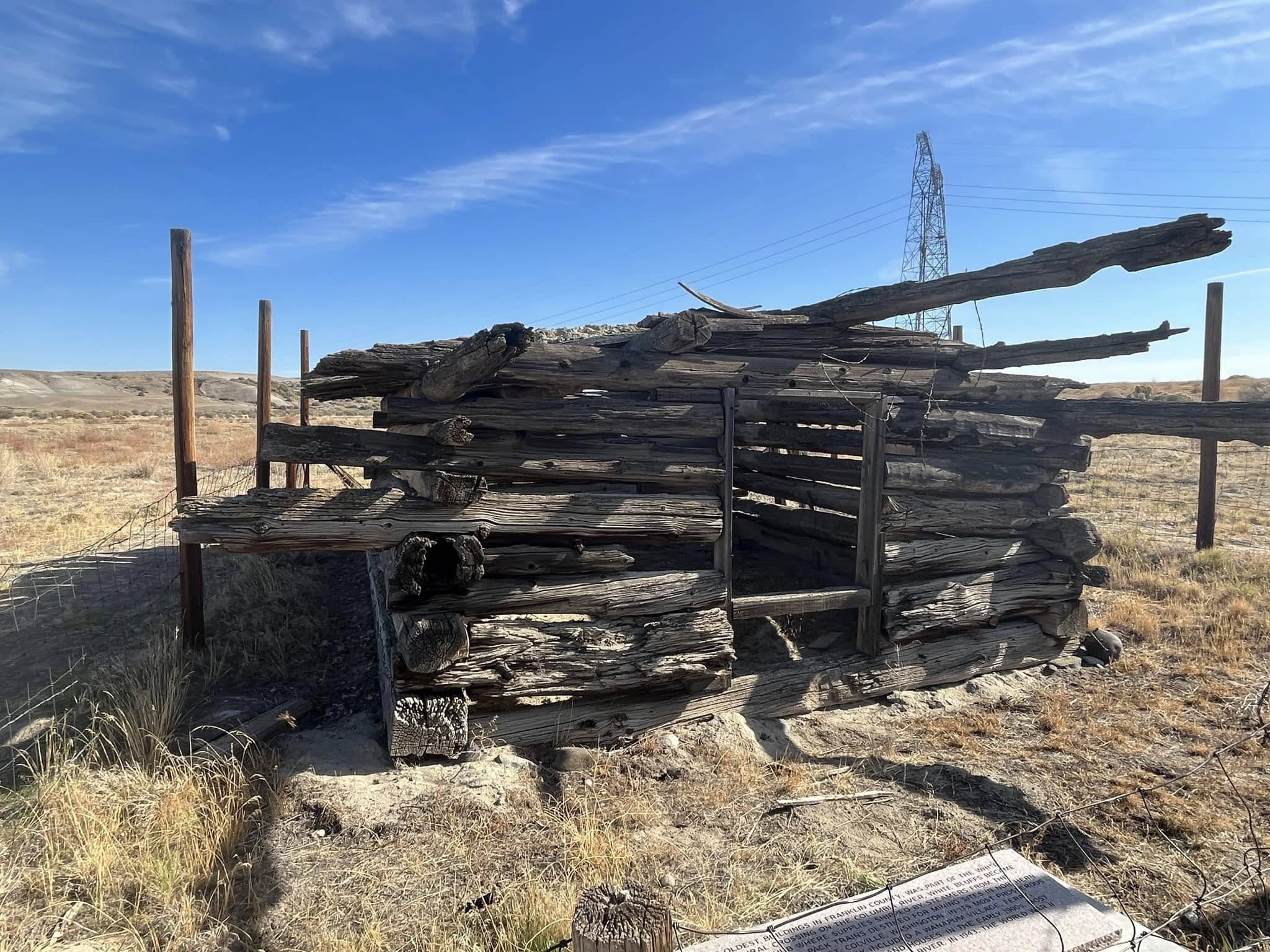
Not much of the town remains, but this season we’re making the trek to Franklin County, Washington to preserve the oldest remaining building in the county. Join us as we act to preserve one of White Bluffs remaining historic relics.
Location and Logistics
SESSION DATES: July 12-17, July 19-24, and July 26-31
Please plan to arrive at the campsite no earlier than 5pm and no later than 7pm on the first day of your session.
LOCATION: Located about 30 miles southwest of the Columbia National Wildlife Refuge!
MAP to the WHITE BLUFF CABIN
ACCESS: 





Tents, car campers, truck campers, campervans, trailers, and RVs 25′ feet and under are welcome (hookups are available). Dogs are welcome but must be leashed and our partner would prefer that they stay on one of the camper pads.
WEATHER: Anticipate highs potentially in the 70s and lows in the 40s. Weather conditions may be rainy, cloudy, or sunny. Volunteers are responsible for checking weather conditions before their session begins, and packing appropriately.
ABOUT VOLUNTEERING: HistoriCorps projects are free for volunteers! HistoriCorps will provide all meals, tools, training, equipment, and a campsite. Volunteers are responsible for their own transportation to the campsite, sleeping equipment, work gloves, clothes and boots, and other personal gear.
Scope of Work
SCOPE OF WORK DIFFICULTY: 
HistoriCorps is committed to educating and training volunteers in preservation skills, with an overarching mission of inspiring a preservation ethic in all those involved. Learning and working alongside expert HistoriCorps field staff and other volunteers while applying the traditional skills necessary to restore the White Bluffs Cabin, you will assist to:
- Lift and level the structure to maintain building stability and pull soil from sill logs.
- Document the roof structure to maintain historic records then dismantle the roof structure for repair.
- Replace deteriorated wall logs while still preserving the building’s historic fabric.
- Install new roof purlins, planks and sod roof to enhance this exterior structural component.
Please note: This is one of the few projects in the country where volunteers will help build a sod roof. This is a living, traditional roof of the kind that crowned cabins across the West before sawmills caught up to settlement. Before the sod goes down, the team will lift and level the building, document and dismantle the original roof, and replace deteriorated wall logs. This will be an opportunity to learn and practice a craft skill you literally cannot pick up almost anywhere else!
Please note: Tasks vary by day and by week, depending on a variety of factors including: weather, project priorities, previous groups’ work, and more. Though it is likely you will get to learn and practice most or all of the above tasks, it is not guaranteed. The higher percentage of the scope a particular task is, the more likely you will get to practice it.
Sign Up!
We’re thrilled this project has inspired you to volunteer!
CLICK HERE TO REGISTER!
Visit our Job Calendar to see how many spaces are available!
*All registrations submitted to projects at capacity will be automatically added to our waitlist.*
CANCELLATIONS effect our ability to complete projects. Please register only if you are certain about your ability to participate.
You will know your registration was successful when you receive a confirmation email. Contact volunteer@historicorps.org for assistance.
HistoriCorps does not charge for its volunteering projects. HistoriCorps relies on donations to continue engaging volunteers to save significant historical sites across America for generations to come. Your donation of any amount will make an incredible difference! Increase your impact – make a generous gift today.
Volunteer Logistics, Policies, and Advice
We’re so glad you’re interested in joining this project! If you’re new to our community, review the Volunteer FAQ first! Please note the following logistics and policies:
- Volunteering with HistoriCorps is free! We will provide all meals, tools, training, equipment, and a campsite or shared indoor lodging. Dinner is not provided on the first night.
- Volunteers are responsible for bringing their own gear, work gloves, sturdy work clothes and boots, and appropriate sleeping equipment. Check the average temperatures before you start packing – the nights and mornings may be colder than you anticipate! Then, read this advice about how to stay warm when tent camping in colder places.
- Campsite accessibility varies by project. Some projects can accommodate tents only; others can accommodate small RVs. Please review the project site description above for more information, and if you’re still not sure, email volunteer@historicorps.org for help.
- If this project does not offer showers, you might want to consider bringing a solar shower or research other methods to clean up after the work day.
- Volunteer crew sizes generally range from 4-8 volunteers, with two HistoriCorps staff that lead and train volunteers in the work.
- Safety is one of HistoriCorps’ top priorities, and volunteers can contribute to a safe working environment by ensuring their physical fitness is adequate for the work. See above for this project’s scope of work and difficulty level. Please, call us if you are not quite sure if a project is a good fit for your skills or fitness level. We may be able to suggest a project more suitable and enjoyable for you.
- Hard hats, eye protection, ear protection, gloves are standard personal protection equipment (PPE) required on all projects. Hard hats must be worn at all times on the project site, unless working in a designated safe space. Field staff will train volunteers on correct use of PPE.
- Dogs are generally allowed to accompany their humans in project campsites (actually, we love having dogs join us around the campfire!). Dogs are not permitted on the job site for everyone's safety. HOWEVER: HistoriCorps also follows the rules and regulations of our project partner. If the project partner does not permit dogs onsite then HistoriCorps is no exception. Please ask HistoriCorps or the project partner directly if you have any questions about whether Fido is welcome.