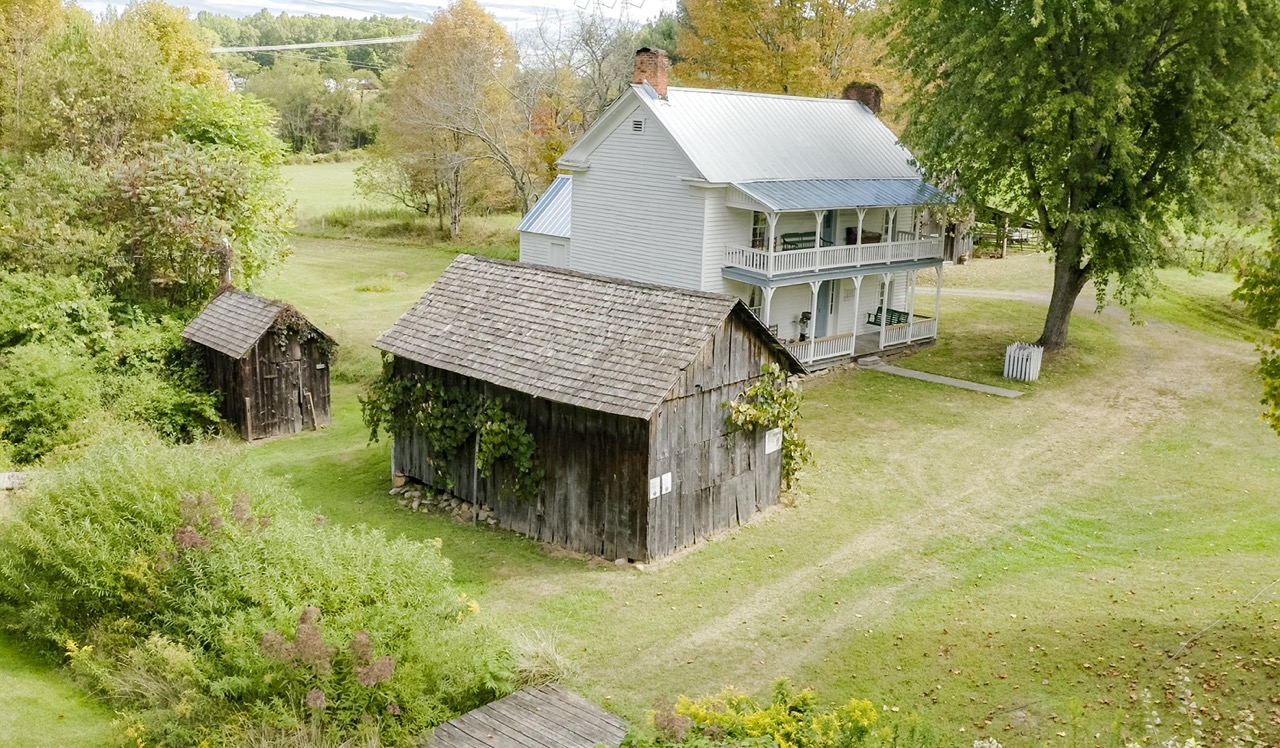
Settlers Museum Farmhouse, VA 2026
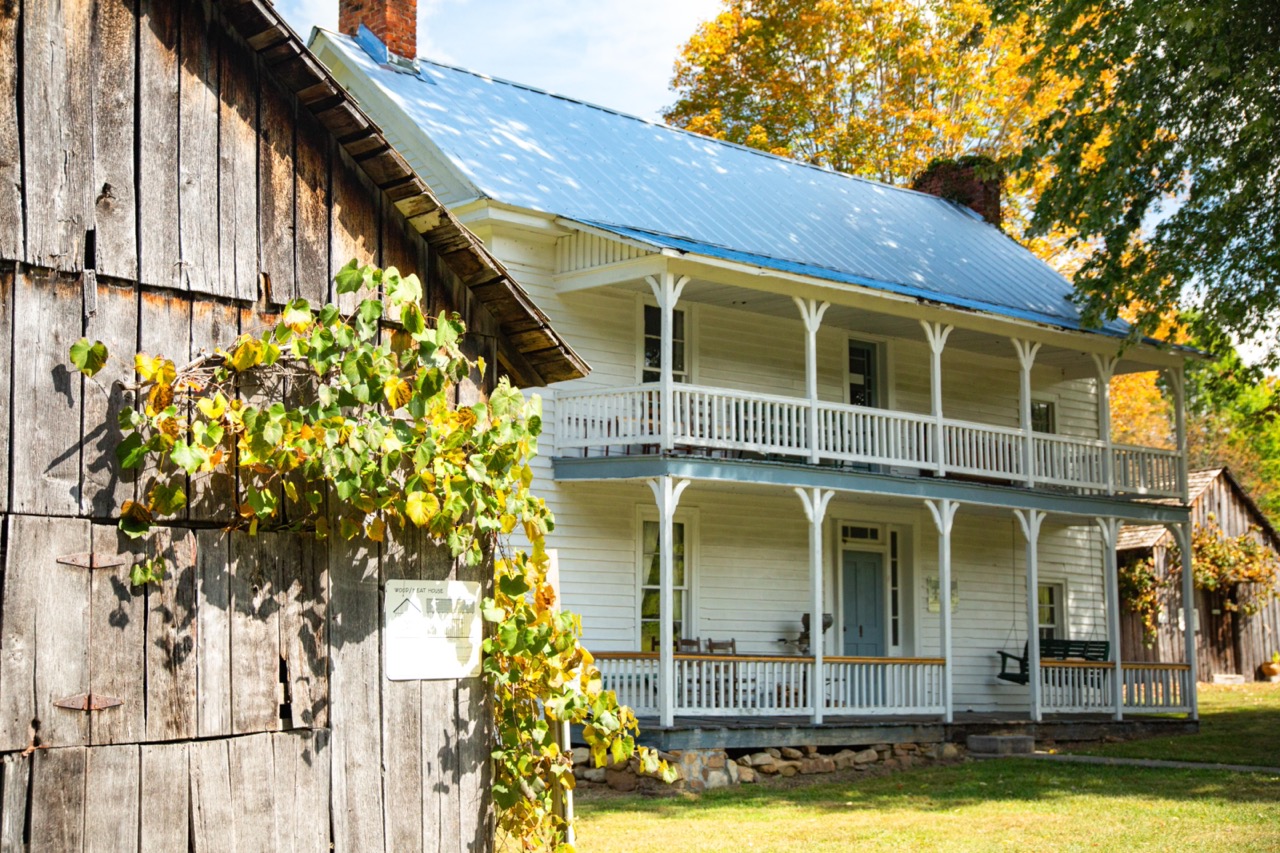
Help preserve an iconic settlement along the Appalachian Trail!
PROJECT PARTNER: George Washington & Jefferson National Forests
SESSION DATES: May 24-29, May 31 – June 5, June 7-12, June 14-19, and June 21-26
CAPACITY PER SESSION: 7 Volunteers + 1 Kitchen Helper
PROJECT SUPERVISOR: Eric White!
ASSISTANT PROJECT SUPERVISOR: Phillip Enright and Joel Rider!
CREW LEADER: Emily Dietrich!
Project Site Description & History
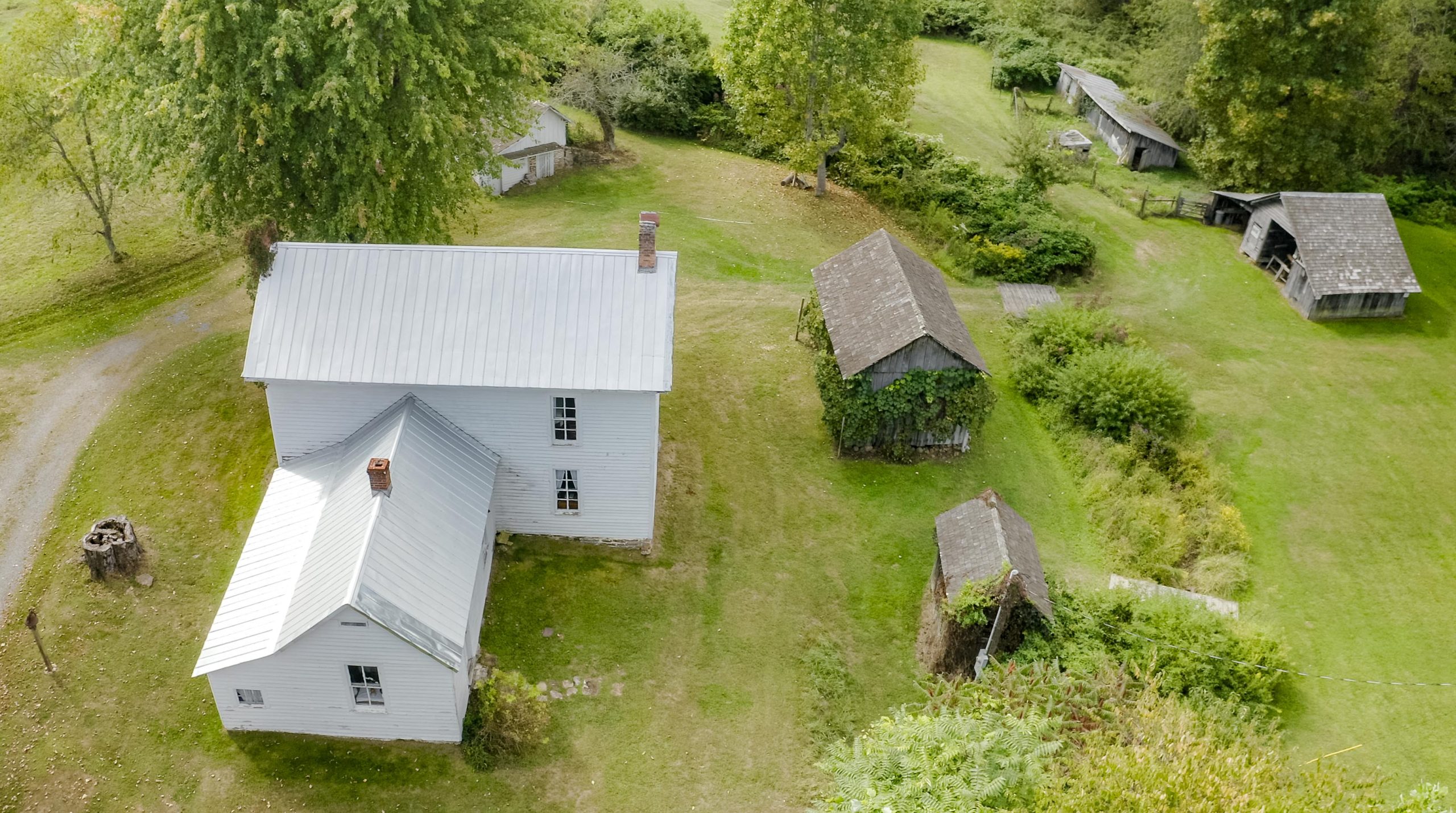
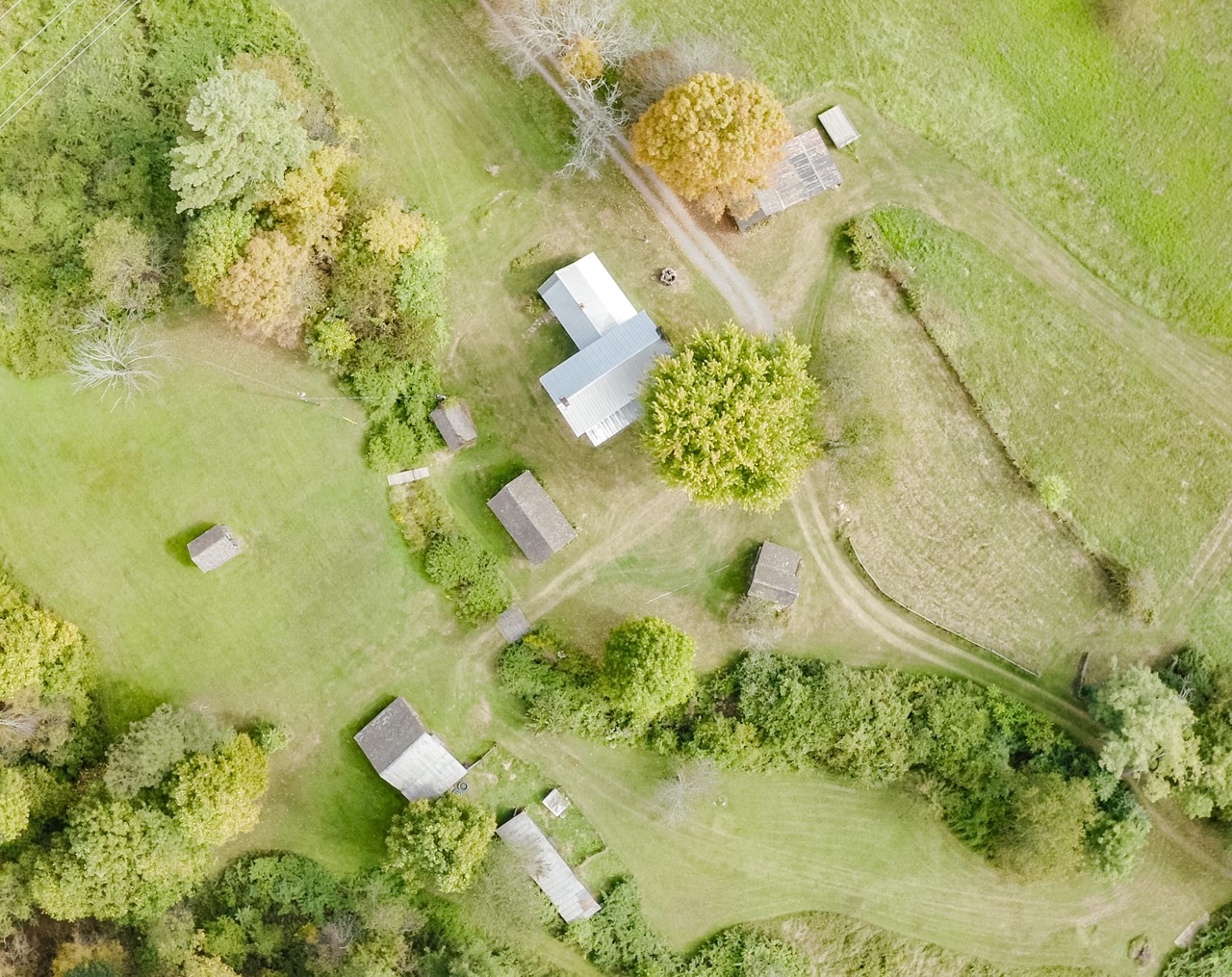
Step in your time machine and join us as we experience what rural life looked like in Southwest Virginia in the late 19th century. The Settlers Museum and Farmhouse of Southwest Virginia is a 67-acre open-air museum that shares the story of the people who settled in the region many years ago. Located in the scenic Walker’s Creek Valley, the Settlers Museum and Farmhouse of Southwest Virginia preserves the story of early rural life in the Appalachians. Centered around a restored 1894 one-room schoolhouse and a mid-19th century farmstead, the museum interprets the experience of settlers who came to the region via the Great Road. This road was a key migration route that carried thousands of families westward through the mountains in the 1700s and 1800s.
The sites tell the story of self-sufficiency, craftsmanship, and adaption in the face of the rugged Appalachian landscape. The farmstead, complete with original outbuildings and period furnishings, offers a rare glimpse into how frontier families lived, work and build community. The complex also contains a schoolhouse and visitor’s center. The early settlers of Appalachia were marked by their resilience, tenacity, and hope for a better life. Settlers were primarily of Scots-Irish, German, and English descent and the area’s culture soon became shaped by the traditions of these countries. Early settlers migrated to the area to escape religious persecution, economic difficulties, and lack of opportunity.
With activities, demonstrations, and educational programming available, the opportunity to take a trip back in time and learn about this authentic nineteenth century farm is one you won’t want to miss. Step back in time and help preserve a living piece of Appalachian history! Volunteers will lend their hands and skills to preserves multiple historic structures on the farmstead, safeguarding this unique window into Southwest Virginia’s rural heritage. Register today to help us preserve the story of Appalachian settlement for future generations.
Location and Logistics
SESSION DATES: May 24-29, May 31 – June 5, June 7-12, June 14-19, and June 21-26
Please plan to arrive at the campsite no earlier than 5pm and no later than 7pm on the first day of your session.
LOCATION: Located about 95 minutes from Roanoke, VA!
MAP to the SETTLERS MUSEUM FARMHOUSE
ACCESS: 





WE’VE UPDATED OUR ACCESS! Tents, truck campers, campervans, trailers, and RVs up to 25 feet are welcome. Hookups are unavailable and dogs are welcome.
WEATHER: Anticipate highs potentially in the 80s and lows in the 50s. Weather conditions may be rainy, cloudy, or sunny. Volunteers are responsible for checking weather conditions before their session begins and packing appropriately.
ABOUT VOLUNTEERING: HistoriCorps projects are free for volunteers! HistoriCorps will provide all meals, tools, training, equipment, and a campsite. Volunteers are responsible for their own transportation to the campsite, sleeping equipment, work gloves, clothes and boots, and other personal gear.
Scope of Work
SCOPE OF WORK DIFFICULTY: 
HistoriCorps is committed to educating and training volunteers in preservation skills, with an overarching mission of inspiring a preservation ethic in all those involved. Learning and working alongside expert HistoriCorps field staff and other volunteers while applying the traditional skills necessary to restore the Settlers Museum Farmhouse, you will assist to:
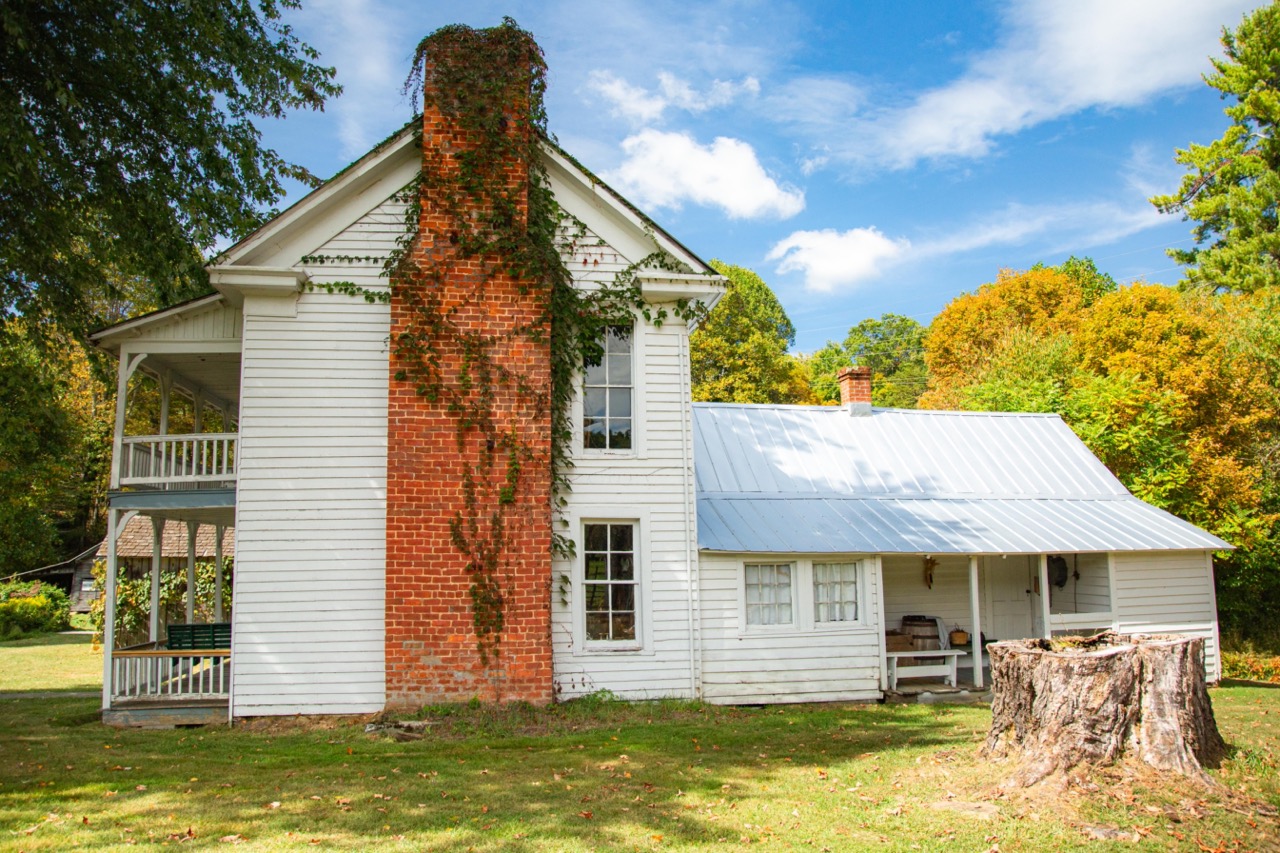
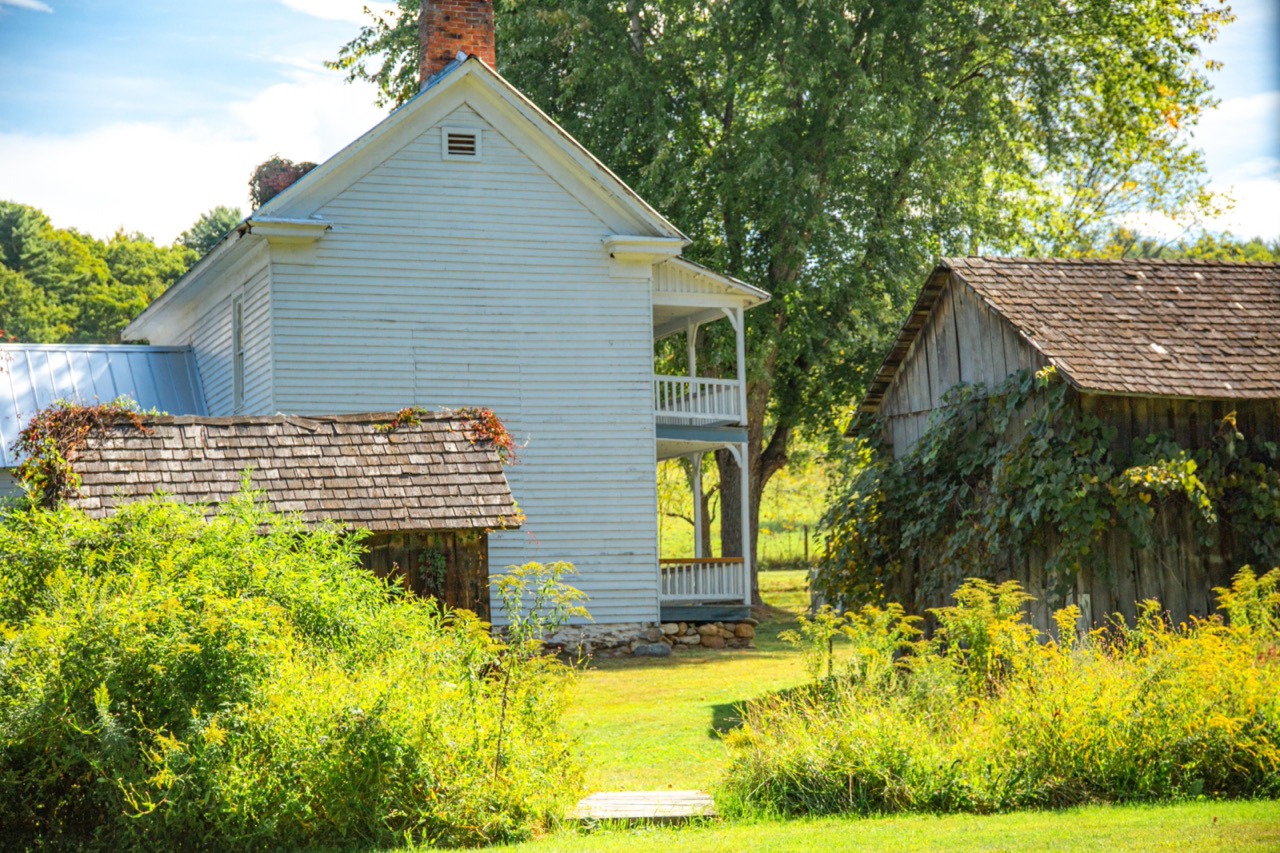
- Reinforce and restore the upstairs porch of the Farmhouse.
- Repair water damage on the ceiling and walls of the West bedroom to prevent further deterioration of the property.
- Paint siding to refresh appearances and extend the exterior lifespan.
- Address chimney flashing which may include masonry repair.
- Replace cedar roof on the nearby Meat House.
Please note: Tasks vary by day and by week, depending on a variety of factors including: weather, project priorities, previous groups’ work, and more. Though it is likely you will get to learn and practice most or all of the above tasks, it is not guaranteed. The higher percentage of the scope a particular task is, the more likely you will get to practice it.
Sign Up!
We’re thrilled this project has inspired you to volunteer!
CLICK HERE TO REGISTER!
Visit our Job Calendar to see how many spaces are available!
*All registrations submitted to projects at capacity will be automatically added to our waitlist.*
CANCELLATIONS effect our ability to complete projects. Please register only if you are certain about your ability to participate.
You will know your registration was successful when you receive a confirmation email. Contact volunteer@historicorps.org for assistance.
HistoriCorps does not charge for its volunteering projects. HistoriCorps relies on donations to continue engaging volunteers to save significant historical sites across America for generations to come. Your donation of any amount will make an incredible difference! Increase your impact – make a generous gift today.
Volunteer Logistics, Policies, and Advice
We’re so glad you’re interested in joining this project! If you’re new to our community, review the Volunteer FAQ first! Please note the following logistics and policies:
- Volunteering with HistoriCorps is free! We will provide all meals, tools, training, equipment, and a campsite or shared indoor lodging. Dinner is not provided on the first night.
- Volunteers are responsible for bringing their own gear, work gloves, sturdy work clothes and boots, and appropriate sleeping equipment. Check the average temperatures before you start packing – the nights and mornings may be colder than you anticipate! Then, read this advice about how to stay warm when tent camping in colder places.
- Campsite accessibility varies by project. Some projects can accommodate tents only; others can accommodate small RVs. Please review the project site description above for more information, and if you’re still not sure, email volunteer@historicorps.org for help.
- If this project does not offer showers, you might want to consider bringing a solar shower or research other methods to clean up after the work day.
- Volunteer crew sizes generally range from 4-8 volunteers, with two HistoriCorps staff that lead and train volunteers in the work.
- Safety is one of HistoriCorps’ top priorities, and volunteers can contribute to a safe working environment by ensuring their physical fitness is adequate for the work. See above for this project’s scope of work and difficulty level. Please, call us if you are not quite sure if a project is a good fit for your skills or fitness level. We may be able to suggest a project more suitable and enjoyable for you.
- Hard hats, eye protection, ear protection, gloves are standard personal protection equipment (PPE) required on all projects. Hard hats must be worn at all times on the project site, unless working in a designated safe space. Field staff will train volunteers on correct use of PPE.
- Dogs are generally allowed to accompany their humans in project campsites (actually, we love having dogs join us around the campfire!). Dogs are not permitted on the job site for everyone's safety. HOWEVER: HistoriCorps also follows the rules and regulations of our project partner. If the project partner does not permit dogs onsite then HistoriCorps is no exception. Please ask HistoriCorps or the project partner directly if you have any questions about whether Fido is welcome.