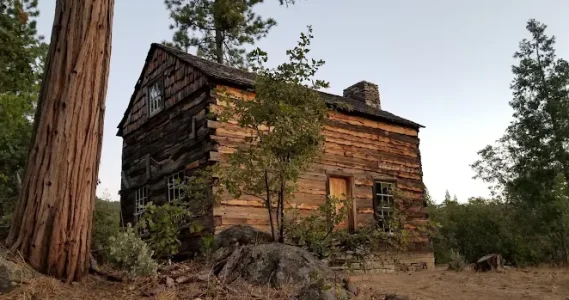
Jesse Ross Cabin, CA 2026
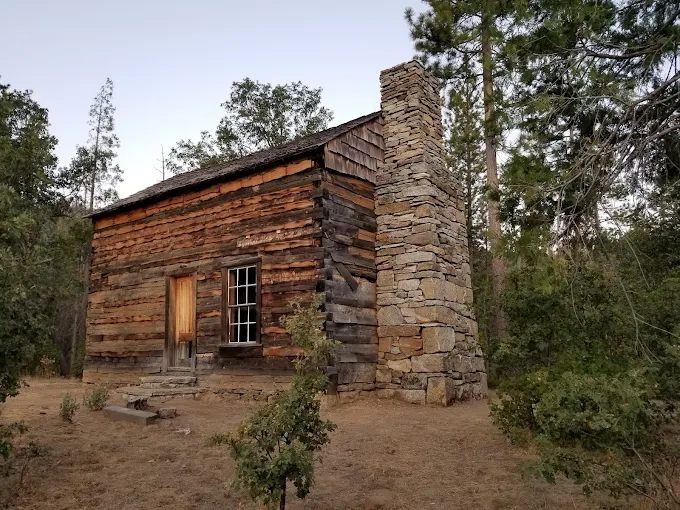
Take in the sweeping panorama of the Sierra National Forest this summer while volunteering to restore one of Madera County’s oldest residences, the Jesse Ross Cabin.
PROJECT PARTNER: Sierra National Forest
SESSION DATES: May 31 – June 5, July 5-10, July 12-17, and July 19-24 (Session 1 has new dates!)
CAPACITY PER SESSION: 6 Volunteers + (No Kitchen Helper)
PROJECT SUPERVISOR: Assignment in progress!
CREW LEADER: Ashley Aus!
Project Site Description & History
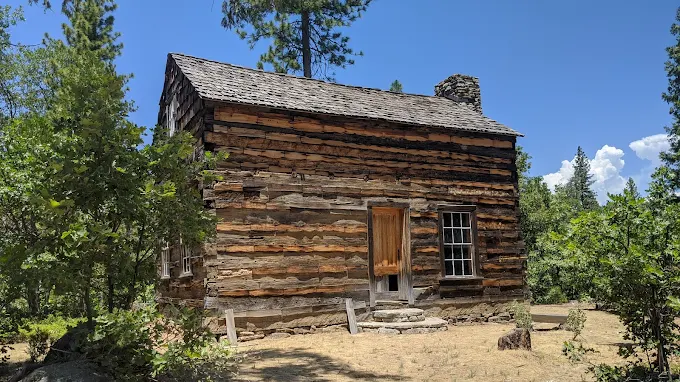
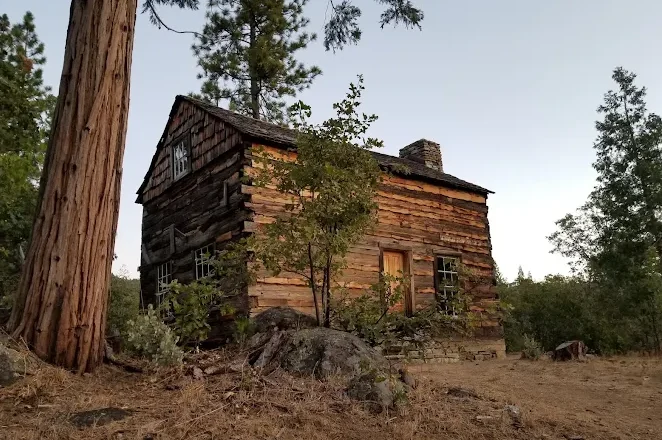
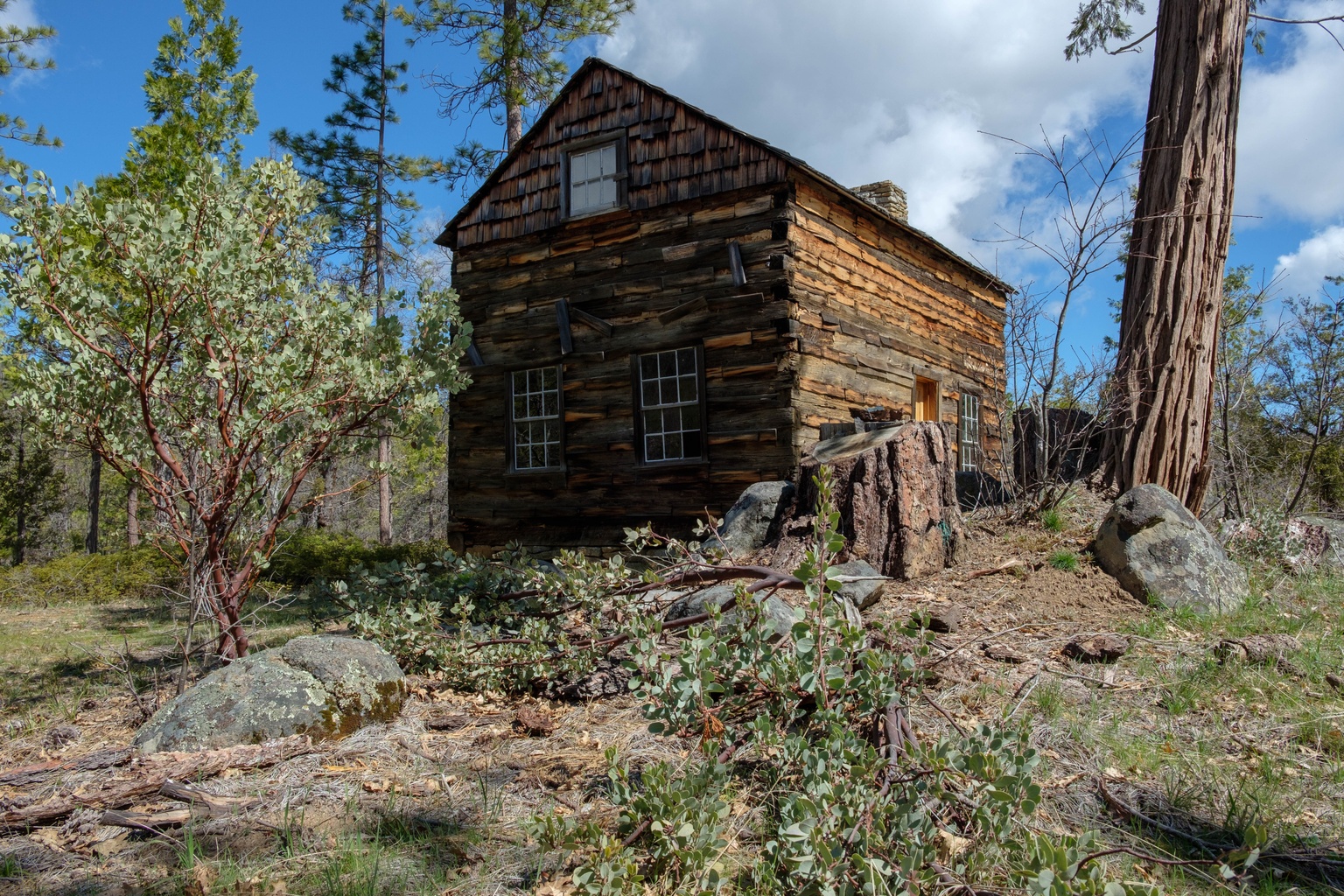
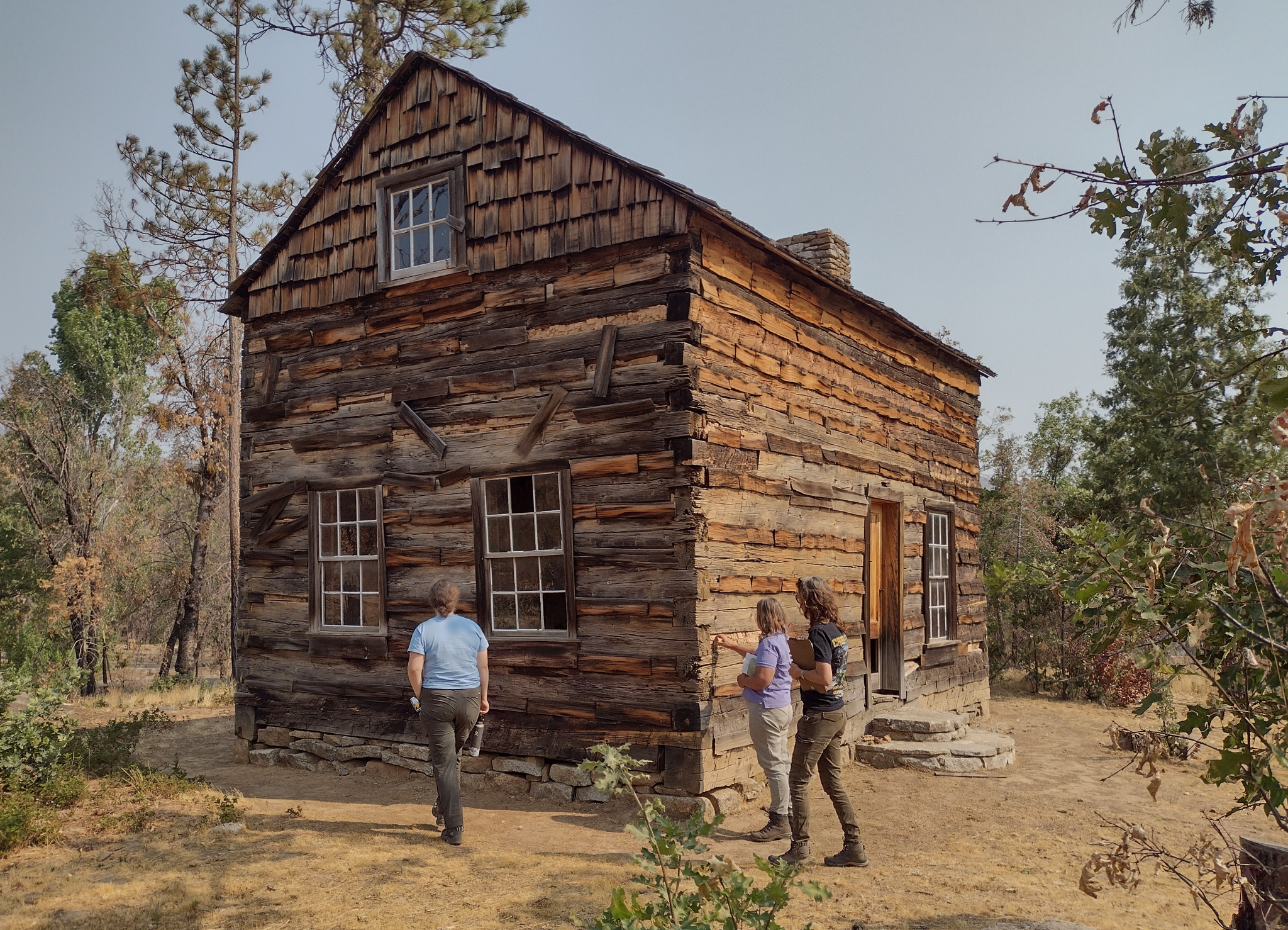
Running adjacent to the North Fork River lies the larger-than-life Jesse Ross Cabin. Built in 1860 by Jesse Blakey Ross himself, the cabin is one of the oldest log structures located within Madera County, California. Constructed using ponderosa pine, the cabin is a one-and-a-half story, single-pen, square-hewn log cabin that was built to be part of the larger homestead established by Ross.
Ross was born in Missouri in 1835 and headed westward during the Gold Rush, working for many years as a mine supplier. During this time period, he discovered the site on which he would eventually build the cabin. The structure started out as a simple one-and-a-half story cabin meant to provide basic shelter for Ross. Eventually, he met and married Mary Waspi, a local Mono tribe member. The two eventually had a daughter named Julia Belle Ross, and with this new addition to their family, the cabin was expanded to meet their needs. Ross divided the interior of the cabin into two areas and established a small room located in the attic.
Most notably, the cabin was surrounded by acres of land primed for agricultural activities. It was on this land that Jesse planted a five-acre apple orchard and cultivated different bean varieties to sell in the nearby community of Fresno, California. In 1900, Jesse received a Homestead Patent, granting the Ross family ownership of the land for agricultural use. For years, Jesse, Julia (and her family), as well as a ranch employee tended to the land and cabin. After the death of Jesse, ownership of the ranch passed through many hands and was eventually sold to the first schoolteacher in Selma, Samuel L. Hogue. The Hogue family expanded agricultural use of the land and even established a sawmill to build boxes for transporting produce within the region.
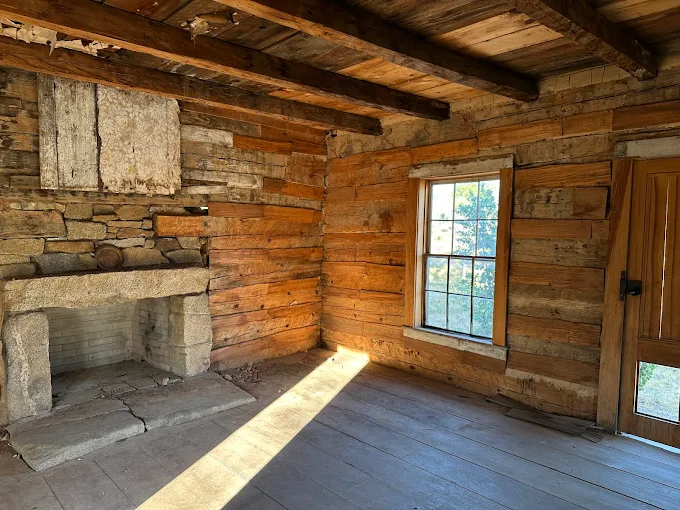
The Jesse Ross Cabin was donated to the United States Forest Service in 1990 and was moved from its original location to a new home across from the Clearwater Fire Station. Each part of the cabin was numbered, labeled, and transported to the new site. Volunteers originally worked with the Forest Service to dismantle and rebuild the fireplace, as well as replace the structure’s deteriorated logs. Over the years, many dedicated individuals have played a part in the preservation of this awe-inspiring cabin. The determination and spirit of the early settlers of the Sierra Nevada live on in the walls of the Jesse Ross Cabin, and we hope you’ll chose to be a part of the cabin’s story. Register today for a preservation experience that you won’t forget.
Location and Logistics
SESSION DATES: May 31 – June 5, July 5-10, July 12-17, and July 19-24
Please plan to arrive at the campsite no earlier than 5pm and no later than 7pm on the first day of your session.
LOCATION: Located about 42 miles southeast of the Yosemite National Park!
MAP to the JESSE ROSS CABIN
ACCESS: 


Tents camping and car camping can be accommodated at this site. Camping is located at a Forest Service compound residence cabin, with access to the cabin. Dogs are welcome but must be leashed.
WEATHER: Anticipate highs potentially in the 90s and lows in the 60s. Weather conditions may be rainy, cloudy, or sunny. Volunteers are responsible for checking weather conditions before their session begins, and packing appropriately.
ABOUT VOLUNTEERING: HistoriCorps projects are free for volunteers! HistoriCorps will provide all meals, tools, training, equipment, and a campsite. Volunteers are responsible for their own transportation to the campsite, sleeping equipment, work gloves, clothes and boots, and other personal gear.
Scope of Work
SCOPE OF WORK DIFFICULTY: 
HistoriCorps is committed to educating and training volunteers in preservation skills, with an overarching mission of inspiring a preservation ethic in all those involved. Learning and working alongside expert HistoriCorps field staff and other volunteers while applying the traditional skills necessary to restore the Jesse Ross Cabin, you will assist to:
- Address structural issues related to log movement and stabilize the building.
- Restore windows and enhance their operability.
- Prevent further deterioration by addressing rot and replacing log crowns where needed.
- Replace the structure’s roof to enhance the building’s overhead security.
- If time allows: complete other preservation tasks as determined with USFS staff.
Please note: Tasks vary by day and by week, depending on a variety of factors including: weather, project priorities, previous groups’ work, and more. Though it is likely you will get to learn and practice most or all of the above tasks, it is not guaranteed. The higher percentage of the scope a particular task is, the more likely you will get to practice it.
Sign Up!
We’re thrilled this project has inspired you to volunteer!
CLICK HERE TO REGISTER!
Visit our Job Calendar to see how many spaces are available!
*All registrations submitted to projects at capacity will be automatically added to our waitlist.*
CANCELLATIONS effect our ability to complete projects. Please register only if you are certain about your ability to participate.
You will know your registration was successful when you receive a confirmation email. Contact volunteer@historicorps.org for assistance.
HistoriCorps does not charge for its volunteering projects. HistoriCorps relies on donations to continue engaging volunteers to save significant historical sites across America for generations to come. Your donation of any amount will make an incredible difference! Increase your impact – make a generous gift today.
Volunteer Logistics, Policies, and Advice
We’re so glad you’re interested in joining this project! If you’re new to our community, review the Volunteer FAQ first! Please note the following logistics and policies:
- Volunteering with HistoriCorps is free! We will provide all meals, tools, training, equipment, and a campsite or shared indoor lodging. Dinner is not provided on the first night.
- Volunteers are responsible for bringing their own gear, work gloves, sturdy work clothes and boots, and appropriate sleeping equipment. Check the average temperatures before you start packing – the nights and mornings may be colder than you anticipate! Then, read this advice about how to stay warm when tent camping in colder places.
- Campsite accessibility varies by project. Some projects can accommodate tents only; others can accommodate small RVs. Please review the project site description above for more information, and if you’re still not sure, email volunteer@historicorps.org for help.
- If this project does not offer showers, you might want to consider bringing a solar shower or research other methods to clean up after the work day.
- Volunteer crew sizes generally range from 4-8 volunteers, with two HistoriCorps staff that lead and train volunteers in the work.
- Safety is one of HistoriCorps’ top priorities, and volunteers can contribute to a safe working environment by ensuring their physical fitness is adequate for the work. See above for this project’s scope of work and difficulty level. Please, call us if you are not quite sure if a project is a good fit for your skills or fitness level. We may be able to suggest a project more suitable and enjoyable for you.
- Hard hats, eye protection, ear protection, gloves are standard personal protection equipment (PPE) required on all projects. Hard hats must be worn at all times on the project site, unless working in a designated safe space. Field staff will train volunteers on correct use of PPE.
- Dogs are generally allowed to accompany their humans in project campsites (actually, we love having dogs join us around the campfire!). Dogs are not permitted on the job site for everyone's safety. HOWEVER: HistoriCorps also follows the rules and regulations of our project partner. If the project partner does not permit dogs onsite then HistoriCorps is no exception. Please ask HistoriCorps or the project partner directly if you have any questions about whether Fido is welcome.