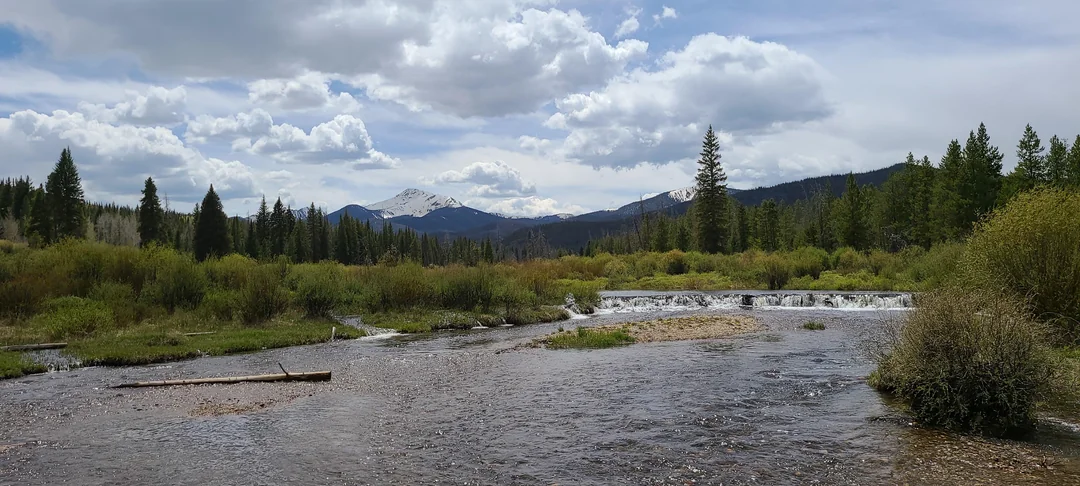
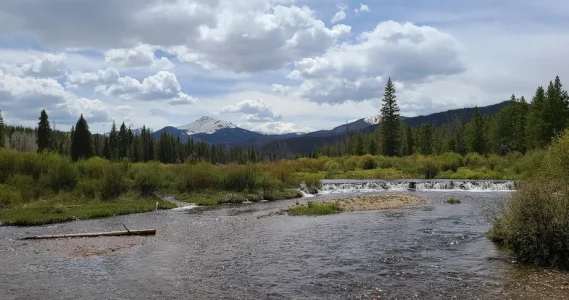
Fraser Experimental Forest Log Cabin, CO 2026
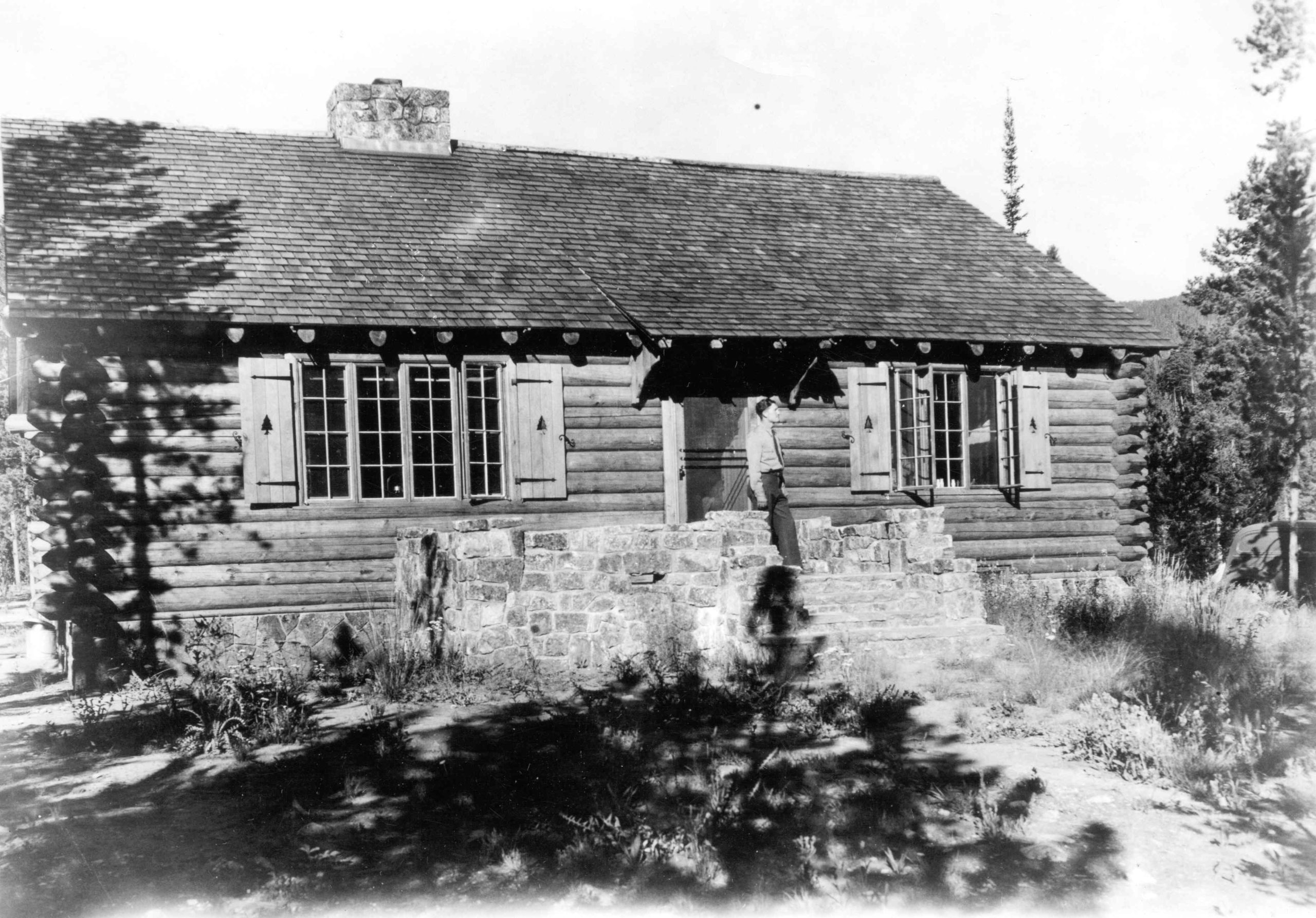
Preservation meets science this July, as we head to the Arapaho and Roosevelt National Forests & Pawnee National Grassland to restore this Rocky Mountain research facility.
PROJECT PARTNER: Arapaho and Roosevelt National Forests & Pawnee National Grassland
SESSION DATES: July 12-17, July 19-24, and July 26-31
PROJECT SUPERVISORS: Denis Moran and Steve Harris!
CREW LEADER: Isaac Butler!
Project Site Description & History
The Fraser Experimental Forest is an outdoor research laboratory situated within north-central Colorado’s Arapaho and Roosevelt National Forests & Pawnee National Grasslands. Established in 1937, the Fraser Experimental Forest is one of only thirteen other similar sites managed by the United States Forest Service’s Rocky Mountain Research Station.
The United States Forest Service defines an experimental forest as “an area administered….to provide for the research necessary for management of the land”. The first experimental forest was established in 1908 and the current network contains eighty forests (with some that are nearly fifty years old). Experimental forests are an important resource for scientists. They serve as living laboratories used by scientists for long-term scientific studies. Much of the research that takes place within experimental forests focuses on ecological studies, water systems, and the forest lifecycle. Scientists also study the effect of wildlife, climate, and vegetation on forests, and experimental forests are integral to this effort. The experiments and research conducted within the forests plays a key role in land management decisions and shapes forest policy. Much of the work done in these areas have produced long-term datasets, as there are many experiments that have been run for decades (or even centuries).
According to the United States Forest Service, “the Forest Service established the Fraser Experimental Forest in 1937 to study the relationship between forest management and water yield in the subalpine zone. Comprising 23,000 acres, this outdoor research laboratory is an ideal location to study water, forests, and other physical and biological processes, and their integration in high-elevation subalpine watersheds”.
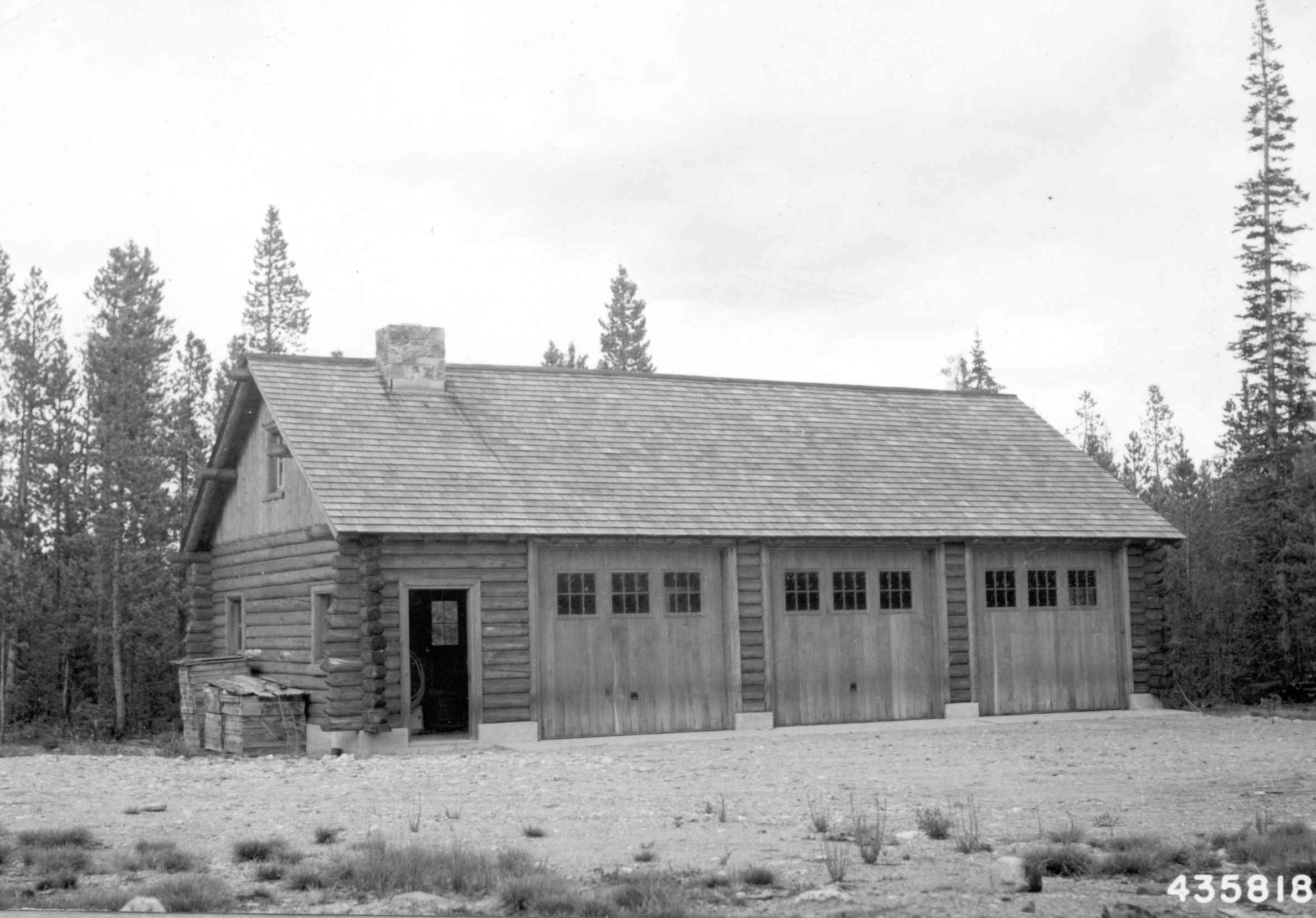
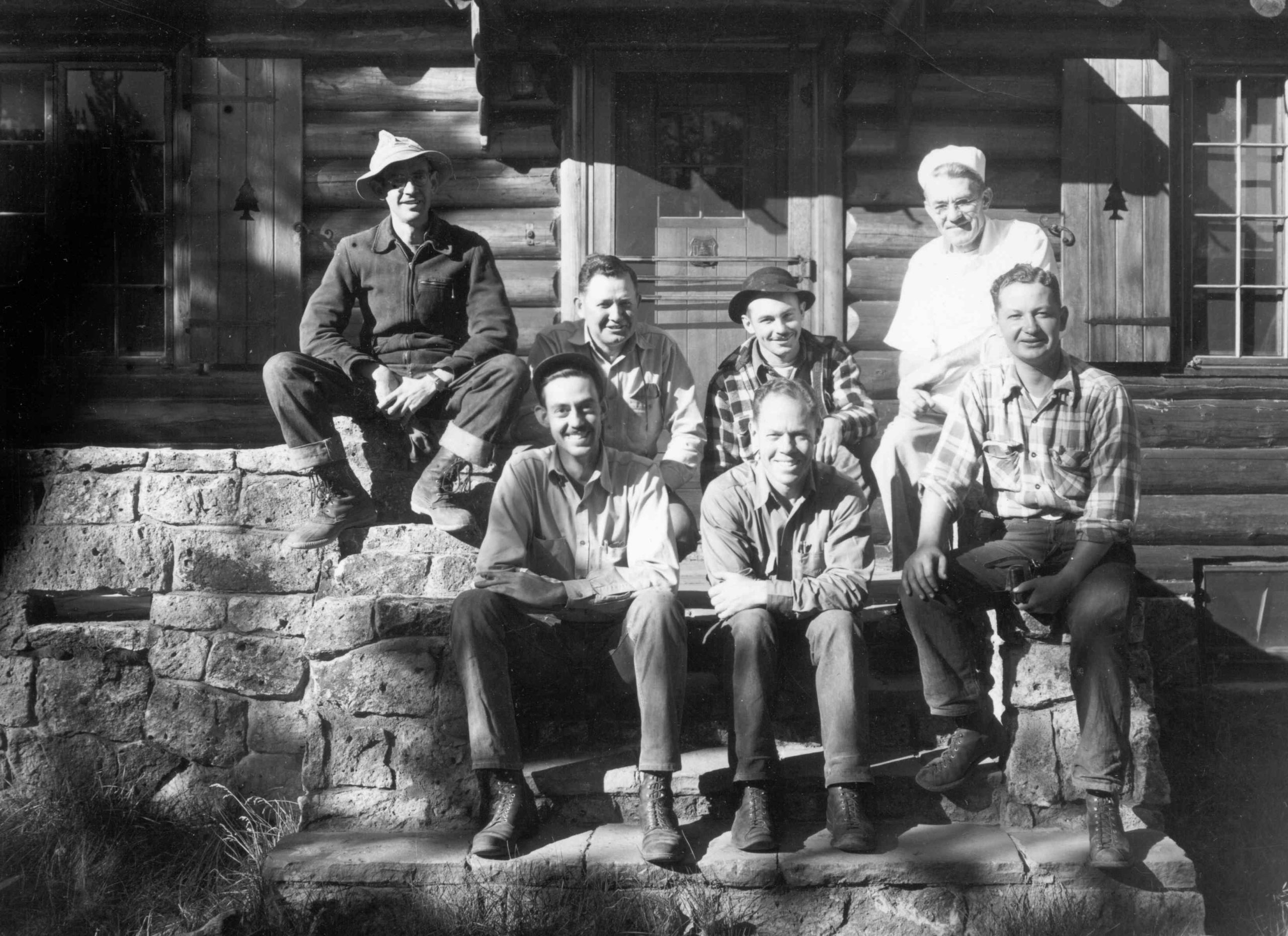
Buildings within the Fraser Experimental Forest aid in this research and serve as important centers for housing the information collected during experiments. Because so much of this data is historic in nature, these buildings are integral to the preservation of historic data collected over decades, if not centuries. In fact, some of the Forest Service records known to be held within the facilities include research written on rice paper! The research complex includes a headquarters, cabin living quarters, dormitory-style structures, etc. and serves as year-round lodging for the scientists who collect data and conduct experiments within the forest. Each building is representative of early United States Forest Service architecture design. Their efficient design and layout was taken from the 1938 “Acceptable Plans” book that was used to construct administrative, office, and housing structures across the Forest Service. These buildings were often assembled using materials local to the area and were influenced by design styles common within the region.
Register for this volunteer opportunity today and contribute to a cause that advances scientific research within the United States Forest Service.
Location and Logistics
SESSION DATES: July 12-17, July 19-24, and July 26-31
Please plan to arrive at the campsite no earlier than 5pm and no later than 7pm on the first day of your session.
LOCATION: Located about 2 hours west of Boulder, CO!
MAP to the FRASER EXPERIMENTAL FOREST LOG CABIN
ACCESS: 




Tents, car campers, truck campers, campervans, trailers, and a few RV’s > 35 ft. (RV hookups are not available) can be accommodated at this site. Unfortunately, dogs are not allowed.
WEATHER: Anticipate highs potentially in the 70s and lows in the 30s. Weather conditions may be rainy, cloudy, or sunny. Volunteers are responsible for checking weather conditions before their session begins, and packing appropriately.
ABOUT VOLUNTEERING: HistoriCorps projects are free for volunteers! HistoriCorps will provide all meals, tools, training, equipment, and a campsite. Volunteers are responsible for their own transportation to the campsite, sleeping equipment, work gloves, clothes and boots, and other personal gear.
Scope of Work
SCOPE OF WORK DIFFICULTY: 
HistoriCorps is committed to educating and training volunteers in preservation skills, with an overarching mission of inspiring a preservation ethic in all those involved. Learning and working alongside expert HistoriCorps field staff and other volunteers while applying the traditional skills necessary to restore the Fraser Experimental Forest Log Cabin, you will assist with:
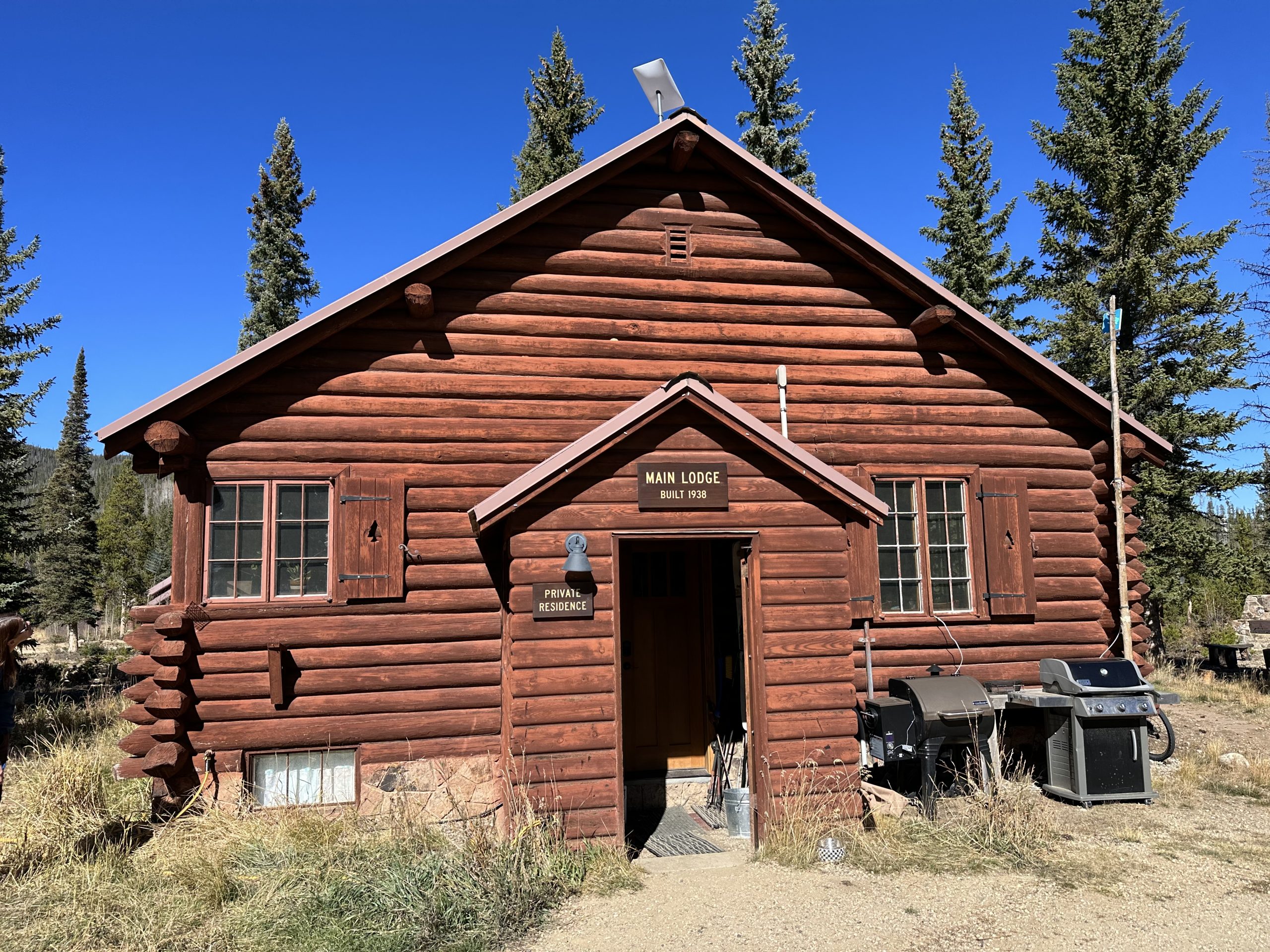
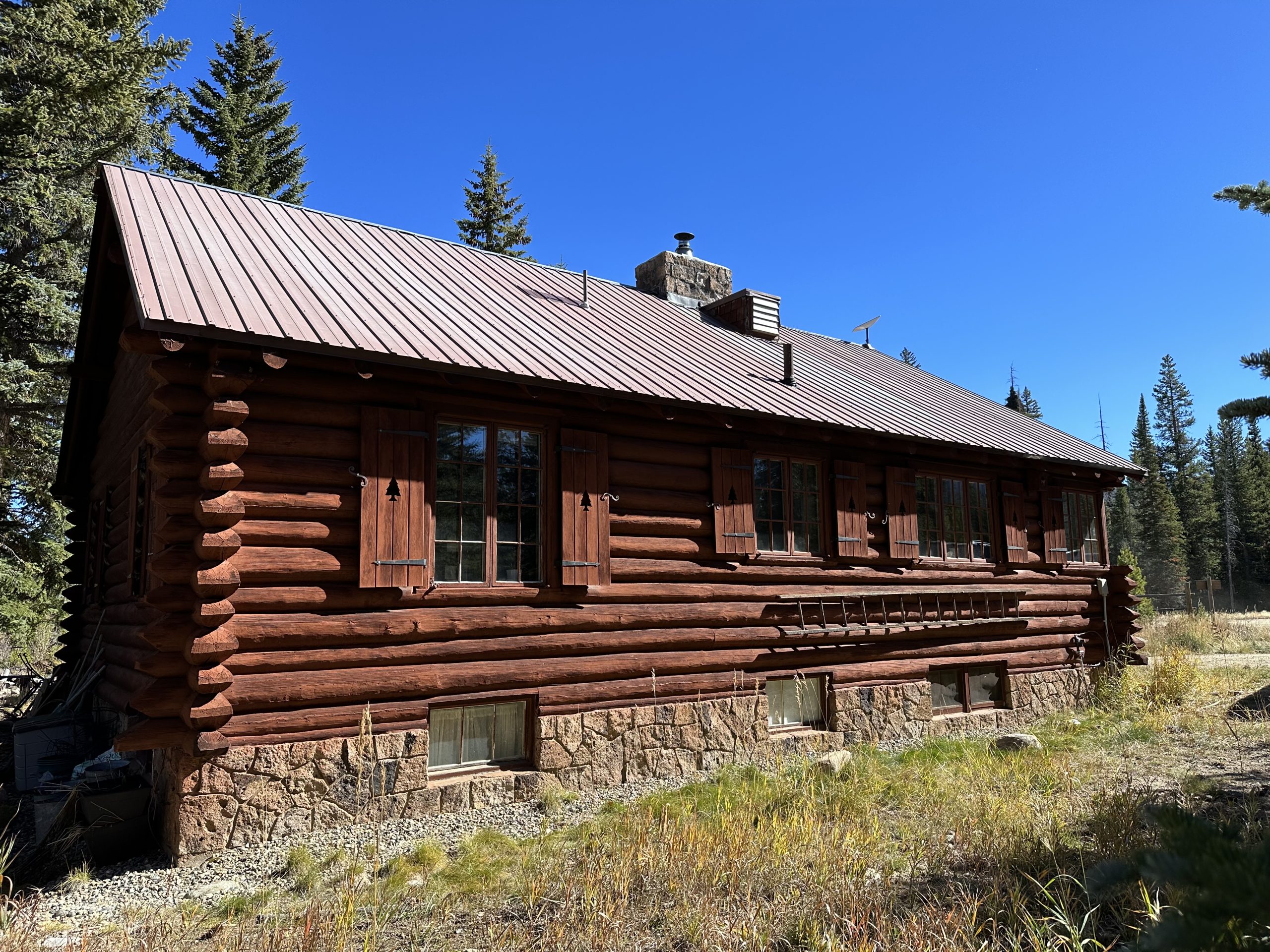
Main Lodge
- Repair deteriorated log ends to prevent further log decline.
- Stain logs to refinish and brighten the exterior.
- Chink and daub entire log wall exterior to improve the structure’s insulation, enhance structural support, and preserve the building’s authenticity.
- Rehabilitate wood and steel windows to enhance building openings.
- Construct storm windows to create a barrier against harsh weather conditions and the elements.
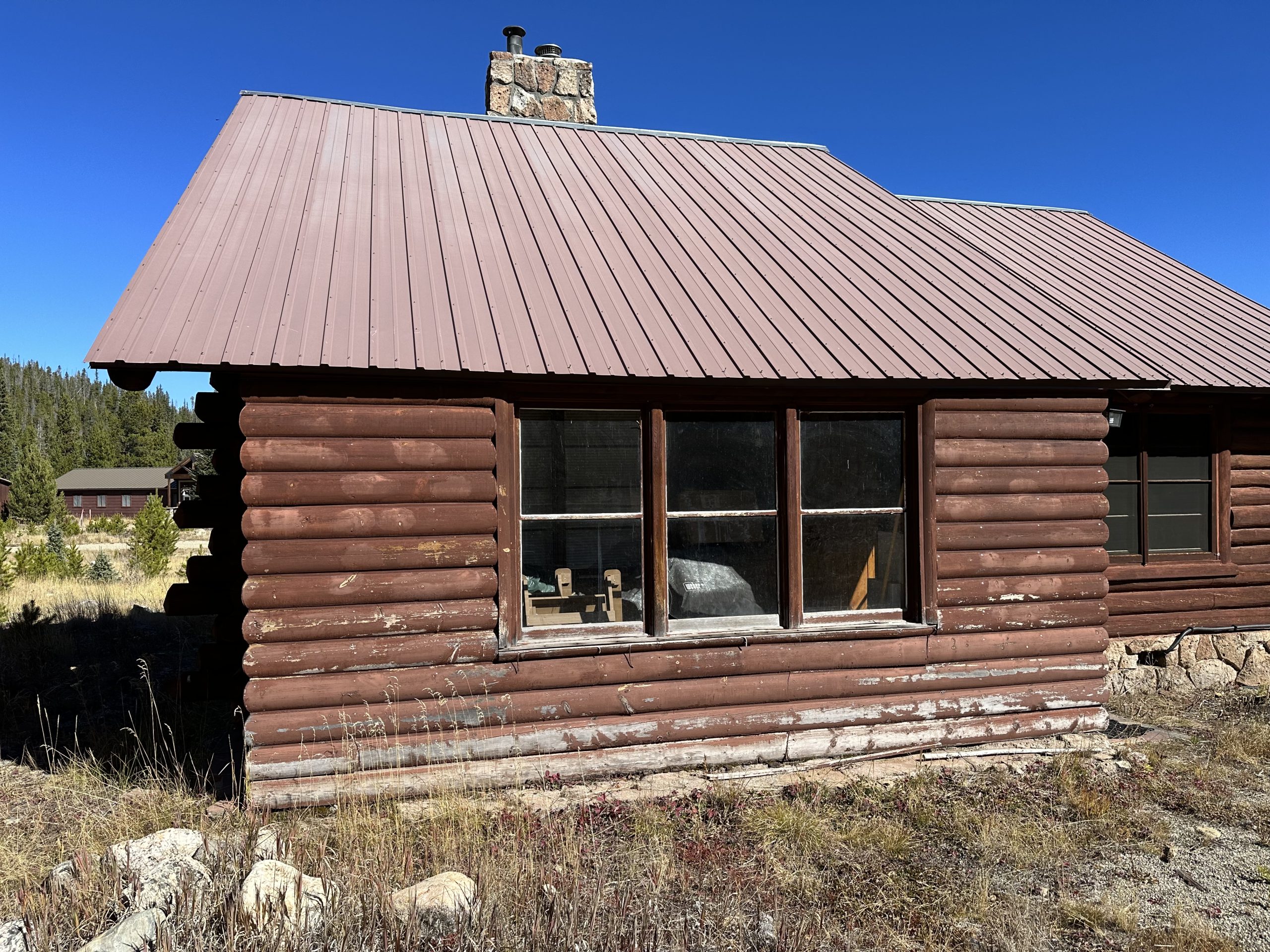
Cabin 1
- Repair or replace deteriorated wall logs to maintain the structure’s integrity, support long-term sustainability of the building, and preserve the historical authenticity of the structure.
- Repair deteriorated log ends to prevent further log decline.
- Clean exterior logs with D2 biological cleaner to remove elements that inhibit drying.
If time allows:
Cabin 2
- Investigate concrete foundation failures and determine solutions to address this issue.
- Remove failing finish and stain exterior logs to improve the structure’s exterior.
- Rehabilitate wood and steel windows to enhance building openings.
- Construct storm windows to create a barrier against harsh weather conditions and the elements.
Please note: Tasks vary by day and by week, depending on a variety of factors including: weather, project priorities, previous groups’ work, and more. Though it is likely you will get to learn and practice most or all of the above tasks, it is not guaranteed. The higher percentage of the scope a particular task is, the more likely you will get to practice it.
Sign Up!
We’re thrilled this project has inspired you to volunteer!
CLICK HERE TO REGISTER!
Visit our Job Calendar to see how many spaces are available!
*All registrations submitted to projects at capacity will be automatically added to our waitlist.*
CANCELLATIONS effect our ability to complete projects. Please register only if you are certain about your ability to participate.
You will know your registration was successful when you receive a confirmation email. Contact volunteer@historicorps.org for assistance.
HistoriCorps does not charge for its volunteering projects. HistoriCorps relies on donations to continue engaging volunteers to save significant historical sites across America for generations to come. Your donation of any amount will make an incredible difference! Increase your impact – make a generous gift today.
Volunteer Logistics, Policies, and Advice
We’re so glad you’re interested in joining this project! If you’re new to our community, review the Volunteer FAQ first! Please note the following logistics and policies:
- Volunteering with HistoriCorps is free! We will provide all meals, tools, training, equipment, and a campsite or shared indoor lodging. Dinner is not provided on the first night.
- Volunteers are responsible for bringing their own gear, work gloves, sturdy work clothes and boots, and appropriate sleeping equipment. Check the average temperatures before you start packing – the nights and mornings may be colder than you anticipate! Then, read this advice about how to stay warm when tent camping in colder places.
- Campsite accessibility varies by project. Some projects can accommodate tents only; others can accommodate small RVs. Please review the project site description above for more information, and if you’re still not sure, email volunteer@historicorps.org for help.
- If this project does not offer showers, you might want to consider bringing a solar shower or research other methods to clean up after the work day.
- Volunteer crew sizes generally range from 4-8 volunteers, with two HistoriCorps staff that lead and train volunteers in the work.
- Safety is one of HistoriCorps’ top priorities, and volunteers can contribute to a safe working environment by ensuring their physical fitness is adequate for the work. See above for this project’s scope of work and difficulty level. Please, call us if you are not quite sure if a project is a good fit for your skills or fitness level. We may be able to suggest a project more suitable and enjoyable for you.
- Hard hats, eye protection, ear protection, gloves are standard personal protection equipment (PPE) required on all projects. Hard hats must be worn at all times on the project site, unless working in a designated safe space. Field staff will train volunteers on correct use of PPE.
- Dogs are generally allowed to accompany their humans in project campsites (actually, we love having dogs join us around the campfire!). Dogs are not permitted on the job site for everyone's safety. HOWEVER: HistoriCorps also follows the rules and regulations of our project partner. If the project partner does not permit dogs onsite then HistoriCorps is no exception. Please ask HistoriCorps or the project partner directly if you have any questions about whether Fido is welcome.