Rohrbaugh Cabin, WV 2026
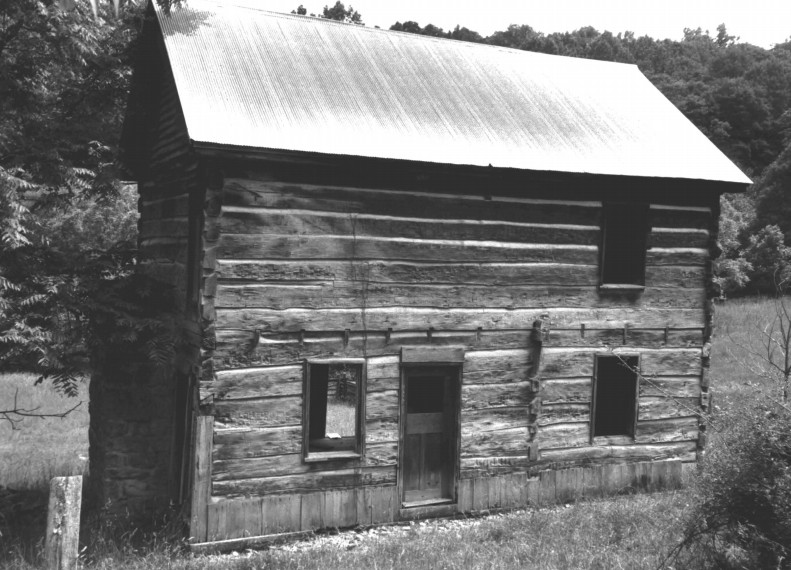
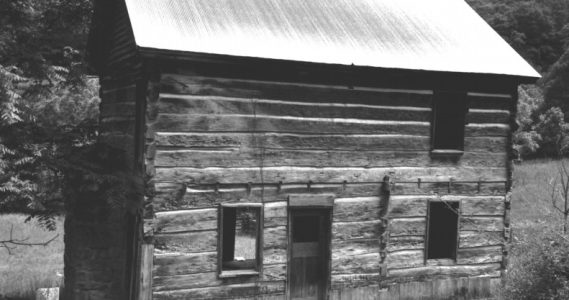
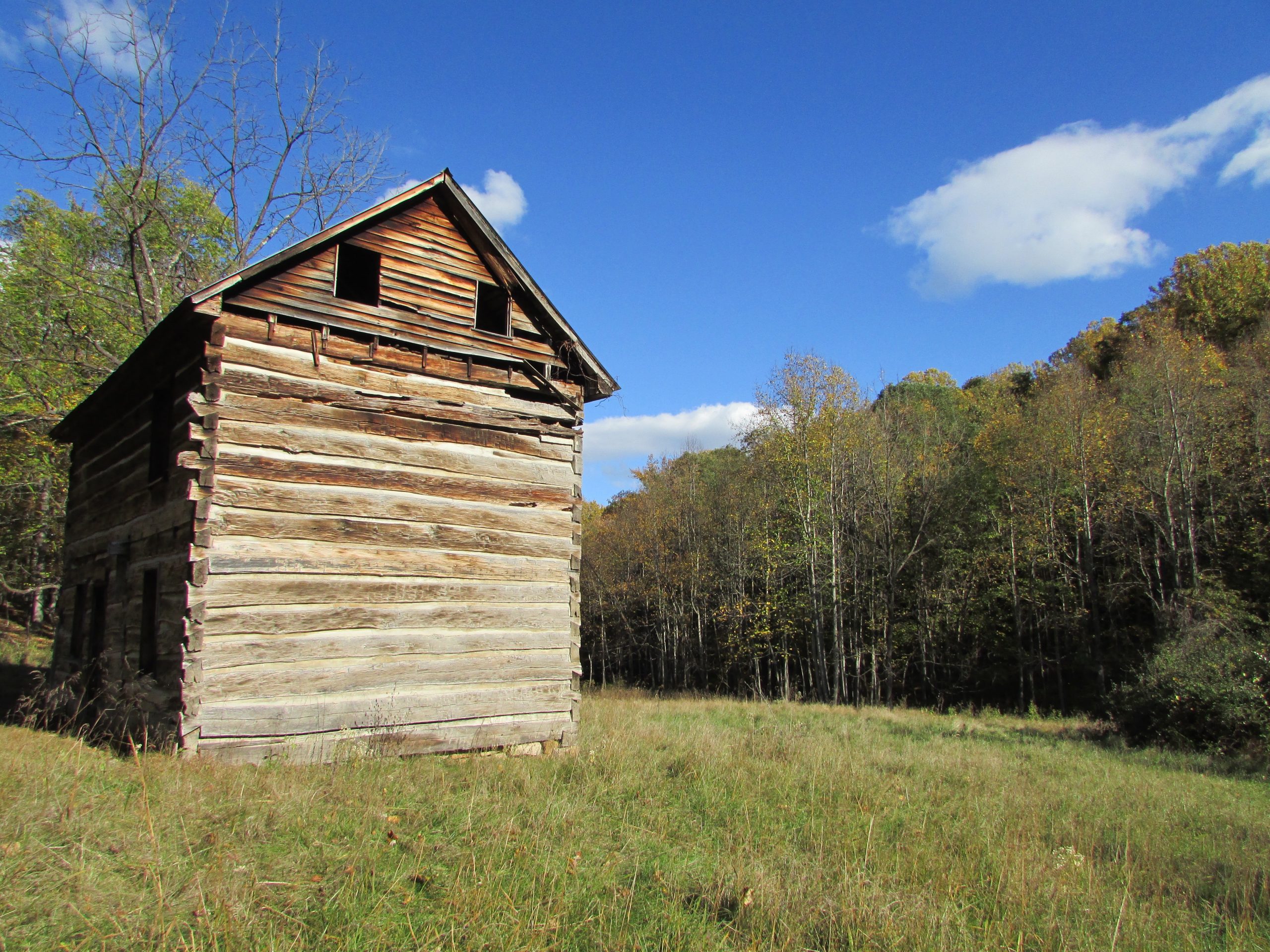
Deep in West Virginia’s Monongahela National Forest lies the agrarian Rohrbaugh Cabin and our next preservation adventure!
PROJECT PARTNER: Monongahela National Forest
SESSION DATES: July 12-17, July 19-24, August 9-14, and August 16-21
CAPACITY PER SESSION: 7 Volunteers + 1 Kitchen Helper
PROJECT SUPERVISOR: Reid Saunders!
ASSISTANT PROJECT SUPERVISOR: Marc Wartner and Phillip Enright!
CREW LEADER: Emily Dietrich!
Project Site Description & History
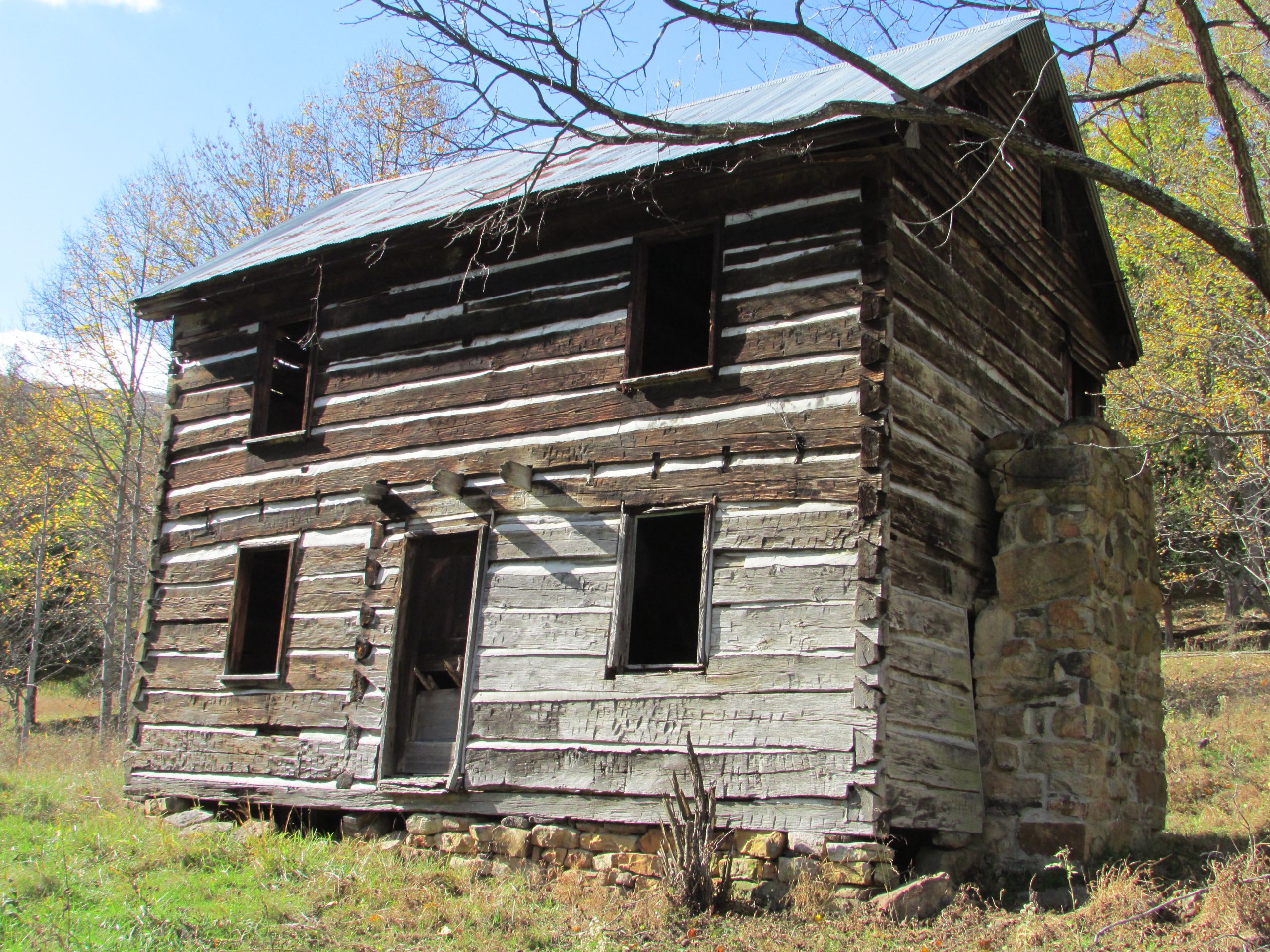
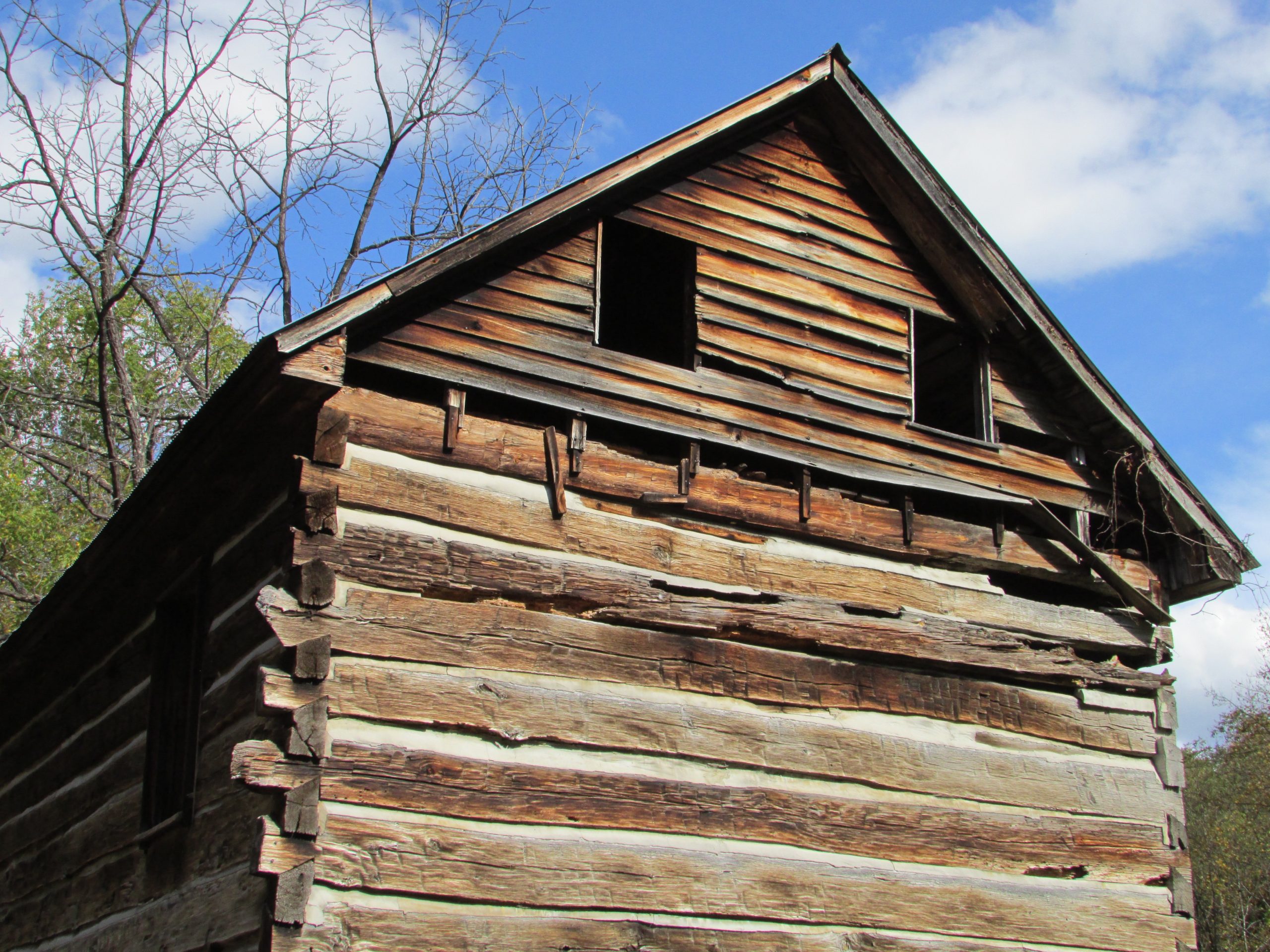
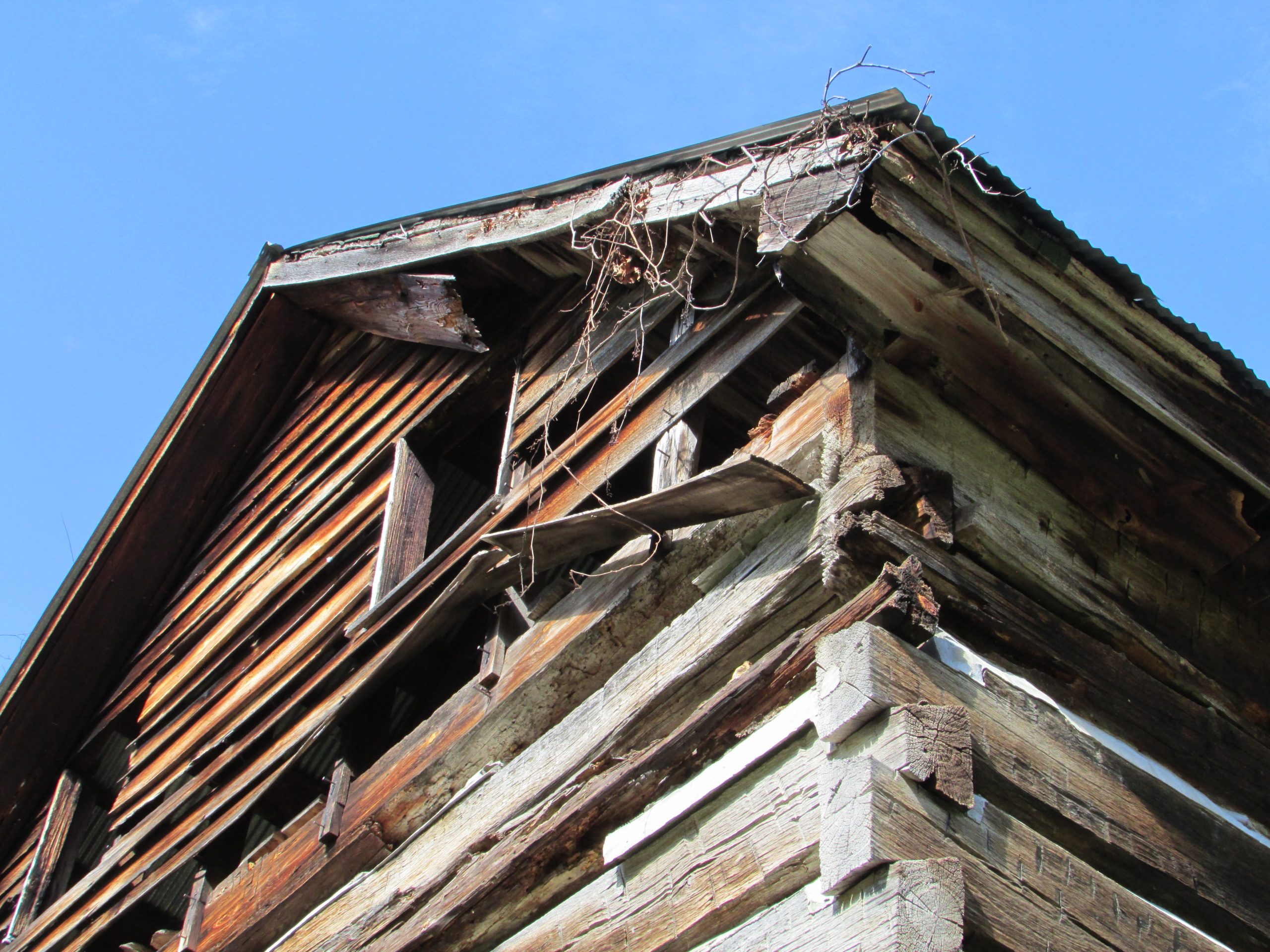
On the eastern slope of North Fork Mountain in the Smoke Hole region of West Virginia is Rohrbaugh Cabin, a rustic two and a half story home built around 1880 by European descendent William H. Rohrbaugh. The double pen style log structure featuring hewn tulip poplar logs housed members of the Rohrbaugh family for generations until the end of their ownership in 1962. During their tenure, the Rohrbaughs maintained a prosperous farmstead cultivating crops and raising livestock in a typical agrarian living of the times.
The first small settlements to the Smoke Hole region began with migrations from the Shenandoah Valley and German communities in eastern Pennsylvania during the 1750s. This further accelerated after the Revolutionary War as large tracts patented in the late 18th century were gradually subdivided amid land speculation, forming typical highland farmsteads of 100–125 acres by the 1840s to 1870s. The site’s isolation on the eastern slope of North Fork Mountain, adjacent to Smoke Hole Canyon, delayed full occupancy, with lands often held by absentee speculators.
A farmer and carpenter, William H. Rohrbaugh lived from 1840 until 1931. In 1873 he married Anjemima Conrad Rohrbaugh, built the cabin by 1880 and later deeded it to his wife as part of the 100-acre property. Anecdotal evidence passed down from family members maintain that William built the cabin over a ten year span.
In 1971 the 100-acre property was incorporated into the Monongahela National Forest. Maintenance efforts by the Forest Service have focused on preservation, encompassing roof repairs and replacement, log stabilization and chinking, and chimney repair and stabilization, though minor integrity losses persist from past leaks, foundation displacement, and structural alterations. In 1993 the Rohrbaugh Cabin was listed on the National Register of Historic Places. Join HistoriCorps to preserve the legacy of the Rohrbaugh Cabin during what will likely be our first phase of work here in the beautiful Monongahela National Forest.
Location and Logistics
SESSION DATES: July 12-17, July 19-24, August 9-14, and August 16-21
Please plan to arrive at the campsite no earlier than 5pm and no later than 7pm on the first day of your session.
LOCATION: Located about 50 minutes from Franklin, WV!
MAP to the ROHRBAUGH CABIN
ACCESS: 




Tents, car campers, truck campers, campervans, and small trailers have access to this site. Dogs are welcome but must be leashed.
WEATHER: Anticipate highs potentially in the 80s and lows in the 50s. Weather conditions may be rainy, cloudy, or sunny. Volunteers are responsible for checking weather conditions before their session begins, and packing appropriately.
ABOUT VOLUNTEERING: HistoriCorps projects are free for volunteers! HistoriCorps will provide all meals, tools, training, equipment, and a campsite. Volunteers are responsible for their own transportation to the campsite, sleeping equipment, work gloves, clothes and boots, and other personal gear.
Scope of Work
SCOPE OF WORK DIFFICULTY: 
HistoriCorps is committed to educating and training volunteers in preservation skills, with an overarching mission of inspiring a preservation ethic in all those involved. Learning and working alongside expert HistoriCorps field staff and other volunteers while applying the traditional skills necessary to restore the Rohrbaugh Cabin, you will assist to:
- Foundation and stabilization replacement
- Implement sill log replacement on North and West elevations and repair as needed
- If time allows: conduct sill log repairs
Please note: Tasks vary by day and by week, depending on a variety of factors including: weather, project priorities, previous groups’ work, and more. Though it is likely you will get to learn and practice most or all of the above tasks, it is not guaranteed. The higher percentage of the scope a particular task is, the more likely you will get to practice it.
Sign Up!
We’re thrilled this project has inspired you to volunteer!
CLICK HERE TO REGISTER!
Visit our Job Calendar to see how many spaces are available!
*All registrations submitted to projects at capacity will be automatically added to our waitlist.*
CANCELLATIONS effect our ability to complete projects. Please register only if you are certain about your ability to participate.
You will know your registration was successful when you receive a confirmation email. Contact volunteer@historicorps.org for assistance.
HistoriCorps does not charge for its volunteering projects. HistoriCorps relies on donations to continue engaging volunteers to save significant historical sites across America for generations to come. Your donation of any amount will make an incredible difference! Increase your impact – make a generous gift today.
Volunteer Logistics, Policies, and Advice
We’re so glad you’re interested in joining this project! If you’re new to our community, review the Volunteer FAQ first! Please note the following logistics and policies:
- Volunteering with HistoriCorps is free! We will provide all meals, tools, training, equipment, and a campsite or shared indoor lodging. Dinner is not provided on the first night.
- Volunteers are responsible for bringing their own gear, work gloves, sturdy work clothes and boots, and appropriate sleeping equipment. Check the average temperatures before you start packing – the nights and mornings may be colder than you anticipate! Then, read this advice about how to stay warm when tent camping in colder places.
- Campsite accessibility varies by project. Some projects can accommodate tents only; others can accommodate small RVs. Please review the project site description above for more information, and if you’re still not sure, email volunteer@historicorps.org for help.
- If this project does not offer showers, you might want to consider bringing a solar shower or research other methods to clean up after the work day.
- Volunteer crew sizes generally range from 4-8 volunteers, with two HistoriCorps staff that lead and train volunteers in the work.
- Safety is one of HistoriCorps’ top priorities, and volunteers can contribute to a safe working environment by ensuring their physical fitness is adequate for the work. See above for this project’s scope of work and difficulty level. Please, call us if you are not quite sure if a project is a good fit for your skills or fitness level. We may be able to suggest a project more suitable and enjoyable for you.
- Hard hats, eye protection, ear protection, gloves are standard personal protection equipment (PPE) required on all projects. Hard hats must be worn at all times on the project site, unless working in a designated safe space. Field staff will train volunteers on correct use of PPE.
- Dogs are generally allowed to accompany their humans in project campsites (actually, we love having dogs join us around the campfire!). Dogs are not permitted on the job site for everyone's safety. HOWEVER: HistoriCorps also follows the rules and regulations of our project partner. If the project partner does not permit dogs onsite then HistoriCorps is no exception. Please ask HistoriCorps or the project partner directly if you have any questions about whether Fido is welcome.