Welcome VolunteerS To Our 2026 Season!
Please view the following opportunities below by clicking on their title, photo, or link
(We are currently in the process of updating our 2026 Volunteer Map and will be up-to-date soon)

Registration Instructions
STEP 1: Scroll through our list of projects. Click any of the photos or titles associated with the project to access its page. Read carefully about the dates, location, scope of work, degree of difficulty, vehicle requirements, and camping logistics.
STEP 2: If you are interested in volunteering, click the link that says “CLICK HERE TO REGISTER!” You will be re-directed to the project’s registration form. (If you are re-directed to a HistoriClub Early Access Page, this means the project is locked until the advanced access window for HistoriClub members is complete. If you would like advanced access to projects you can join HistoriClub.)
STEP 3: Please fill out the registration form and pay close attention to which sessions you select to volunteer at. Any session you select and are accepted to we expect your participation you and will be taking a space away from another prospective volunteer. (We do not offer placeholders – check Volunteer Job Calendar for spaces available on the sessions you desire.)
STEP 4: Submit the form and sit tight! We’ll email you if you are accepted to the project! (Look for a Confirmation or Waitlisted email with the project in the title.)
HAVING DIFFICULTIES REGISTERING?: Contact us at volunteer@historicorps.org
VOLUNTEER OPPORTUNITIES OPEN FOR REGISTRATION
(Click on titles or photos to access volunteer opportunities)
CLICK HERE to check AVAILABLE VOLUNTEER SPACES via our Volunteer Job Calendar
Rohrbaugh Cabin, WV
July 27 – August 1, August 9-14, August 16-21, October 4-9, and October 11-16
7 Volunteers + 1 Kitchen Helper
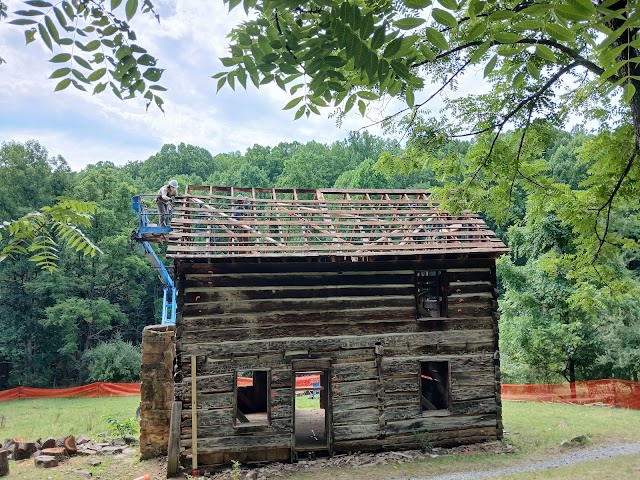
On the eastern slope of North Fork Mountain in the Smoke Hole region of West Virginia is Rohrbaugh Cabin, a rustic two and a half story home built around 1880 by European descendent William H. Rohrbaugh. The double pen style log structure featuring hewn tulip poplar logs housed members of the Rohrbaugh family for generations until the end of their ownership in 1962. During their tenure, the Rohrbaughs maintained a prosperous farmstead cultivating crops and raising livestock in a typical agrarian living of the times. Join us at Rohrbaugh Cabin for a preservation opportunity unlike any other.
Click here to learn more about the project and volunteer!
Keys Ranch, CA
October 4-9, October 11-16, October 18-23, October 25-30, and November 1-6
Sessions 1, 2, and 3 (7 Volunteers + 1 Kitchen Helper), Sessions 4 and 5 (4 Volunteers + No Kitchen Helper)
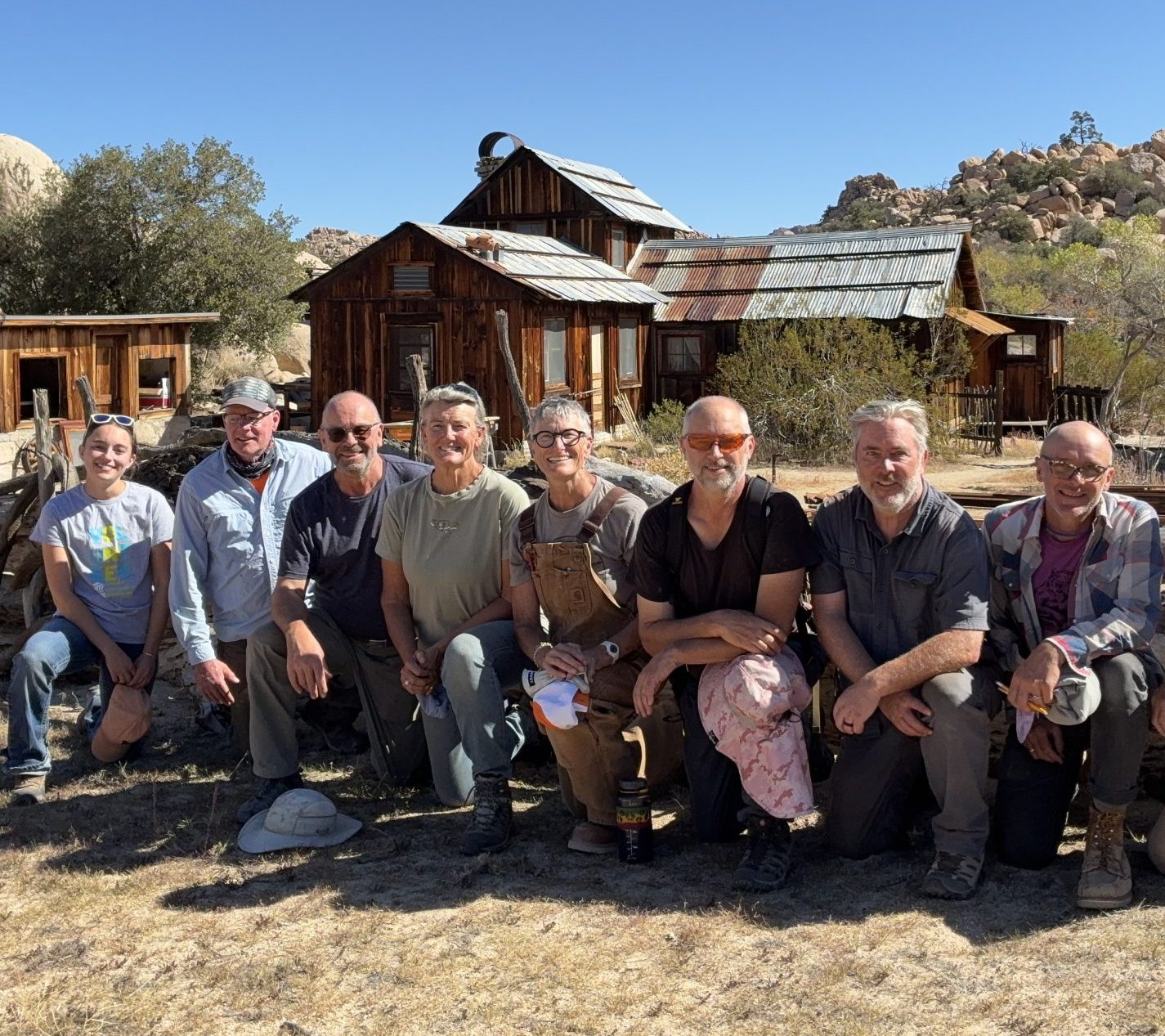
Keys Ranch is made up of small frame buildings built between the years 1910 and 1969. The building complex was listed on the National Register of Historic Places in 1975 for being an early example of desert settlement, symbolizing the resourcefulness attributed to early settlers in the area. The structures were made from salvaged materials, and is a testament to the creativity and adaptability of early settlers. We hope you’ll join us to conclude our 2025 season in the stunning Joshua Tree National Park!
Click here to learn more about the project and volunteer!
Provancher Ranch, CO
October 4-9, October 11-16, October 18-23, and October 25-30
7 Volunteers + 1 Kitchen Helper
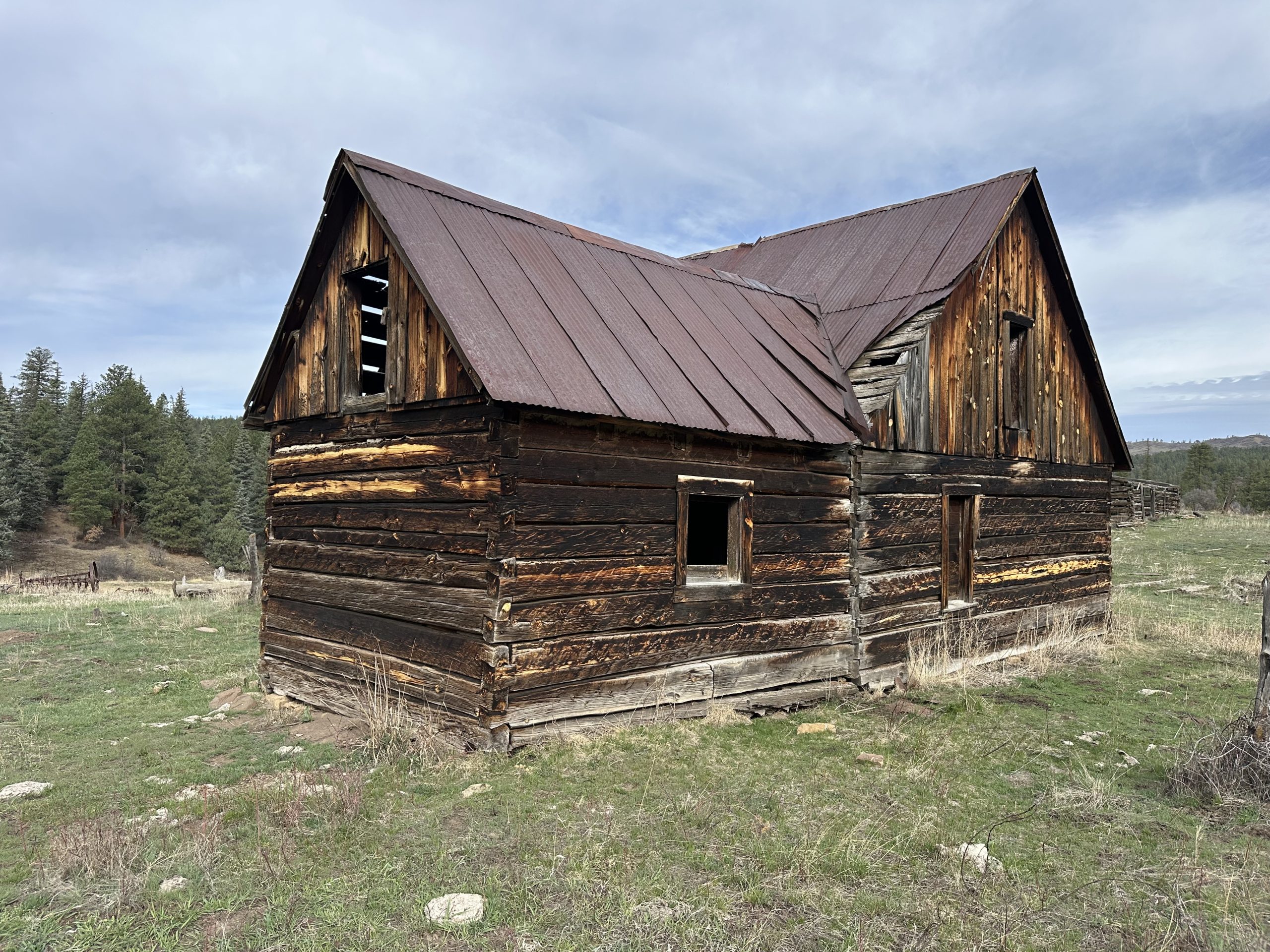
Provancher Ranch was constructed in 1913 by Marcellino Archuleta, and is historically significant due to its association with agriculture and ranching development within Southwestern Colorado. The Provancher Ranch was established by David Provancher in 1913, who worked in the timber industry before settling into the cattle ranching trade. After building a lumber mill and cabin above Benson Creek, Provancher began running 150 head of cattle on Forest Service land.
Click here to learn more about the project and volunteer!
Kane Ranch, CO
October 4-9, October 11-16, October 18-23, October 25-30, November 1-6, and November 8-13
7 Volunteers + 1 Kitchen Helper
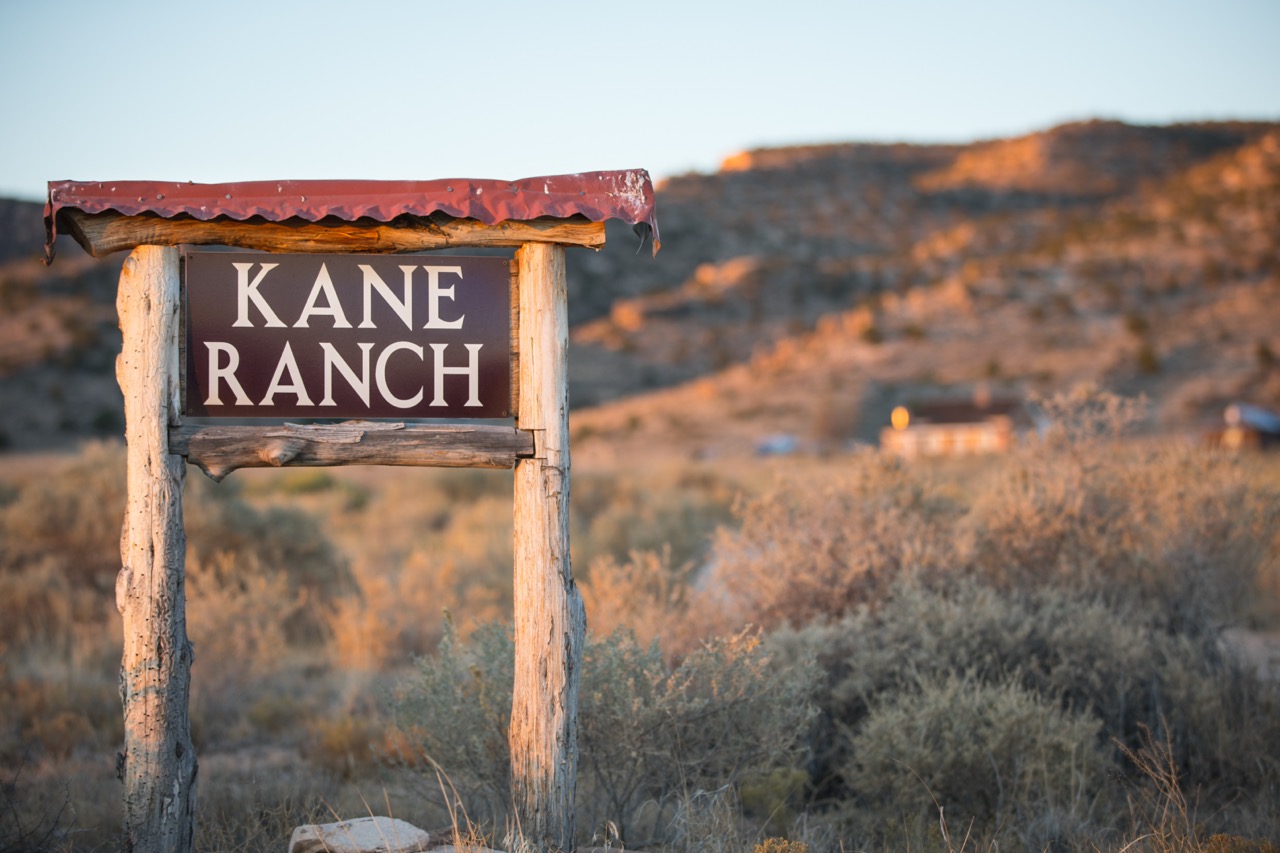
The rustic Kane Ranch is a treasured part of the dynamic ranching legacy that has shaped the area since the late 1800s. Extending across the Kaibab National Forest, the Vermilion Cliffs National Monument, and more, the Kane Ranch is a part of the larger North Rim Ranches that host cattle, research, and restoration grounds. According to our partner at GrandCanyonTrust.org, the Grand Canyon Trust bought grazing permits for Kane and Two-Mile Ranches in 2005, now collectively called the North Rim Ranches.
Click here to learn more about the project and volunteer!
Pond Farm Pottery Barn, CA
Stewards of the Coast and Redwoods
October 4-9, October 11-16, and October 18-23
7 Volunteers + 1 Kitchen Helper
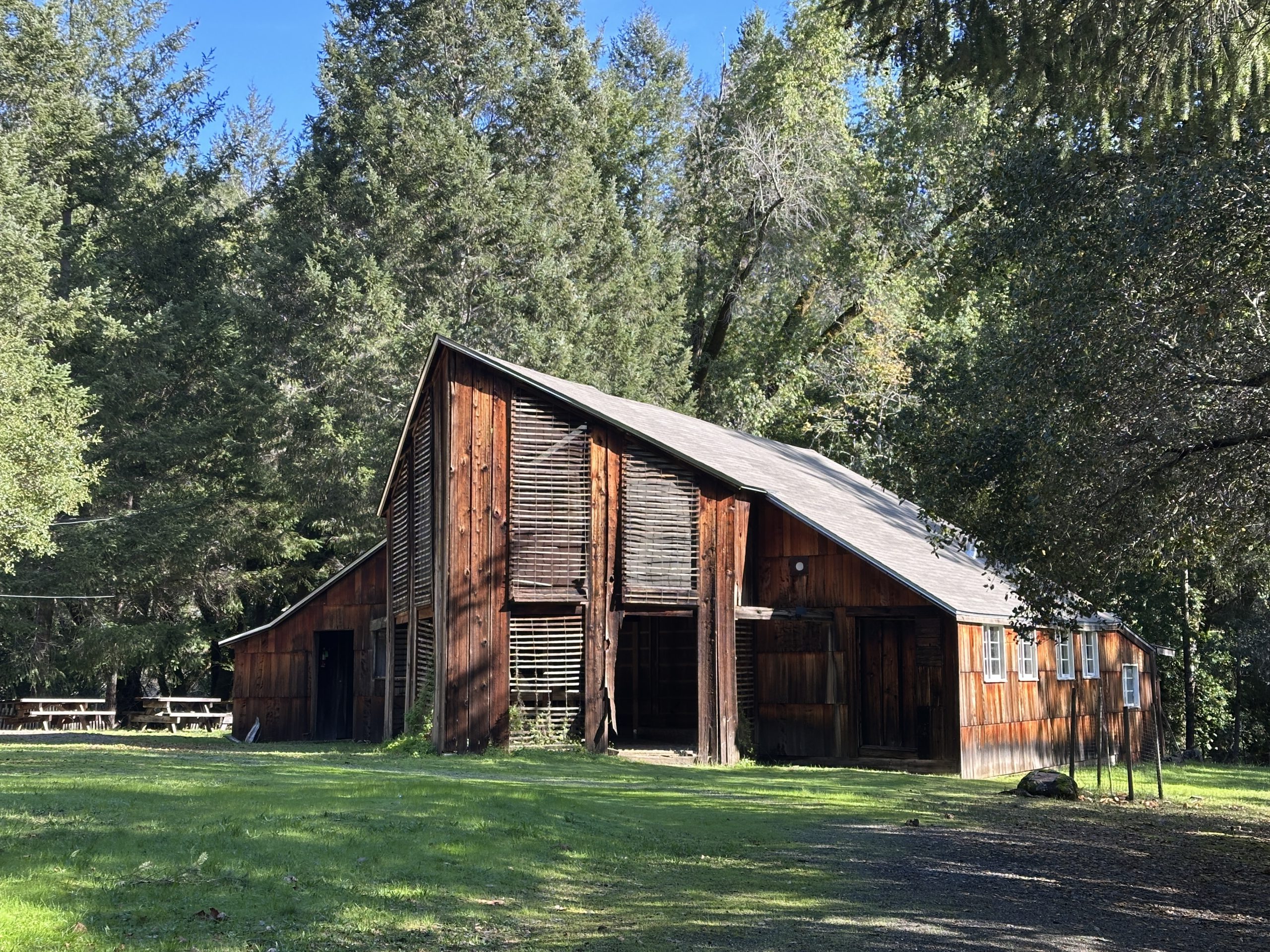
The Pond Farm Pottery, located outside of Guerneville, California, is designated a National Historic Landmark for Marguerite Wildenhain’s role in the American Studio Pottery Movement. As a master potter and Jewish refugee who fled Nazi Germany during World War II, Marguerite introduced Bauhaus techniques and philosophies to the United States through her teachings, published works, and pottery that she produced while living at the site from 1942 until her death in 1985.
Click here to learn more about the project and volunteer!
Saline County Poor House, IL
October 18-23, October 25-30, November 1-6 and November 8-13
New Sessions Added!
4 Volunteers (No Kitchen Helper)
JUST RELEASED!
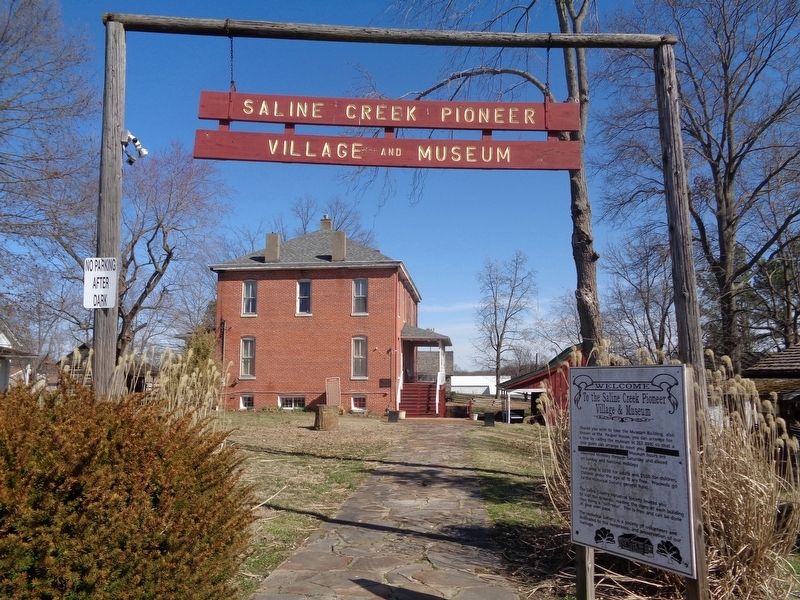
One of our first volunteer opportunities of the season is back on the map after being canceled earlier this season. Established in response to an 1839 state law requiring each county in Illinois to create an institution to care for the area’s poor and vulnerable, the Saline County Poor House served as that haven for the county’s most penurious residents. Originally housed in a makeshift structure, the poor house was moved to the newly built brick building in 1877. For years, this building served as both a shelter for the county’s poorest residents and an opportunity for these individuals to contribute back to the operation of the grounds, as residents were required to work on the farm if able. Join us as we give Saline County Poor House another shot at redemption this season!
Click here to learn more about the project and volunteer!
Mendocino Woodlands State Park Camp Two Cabins, CA
Mendocino Woodlands Camp Association
November 1-6, November 8-13, and November 15-20
7 Volunteers + 1 Kitchen Helper
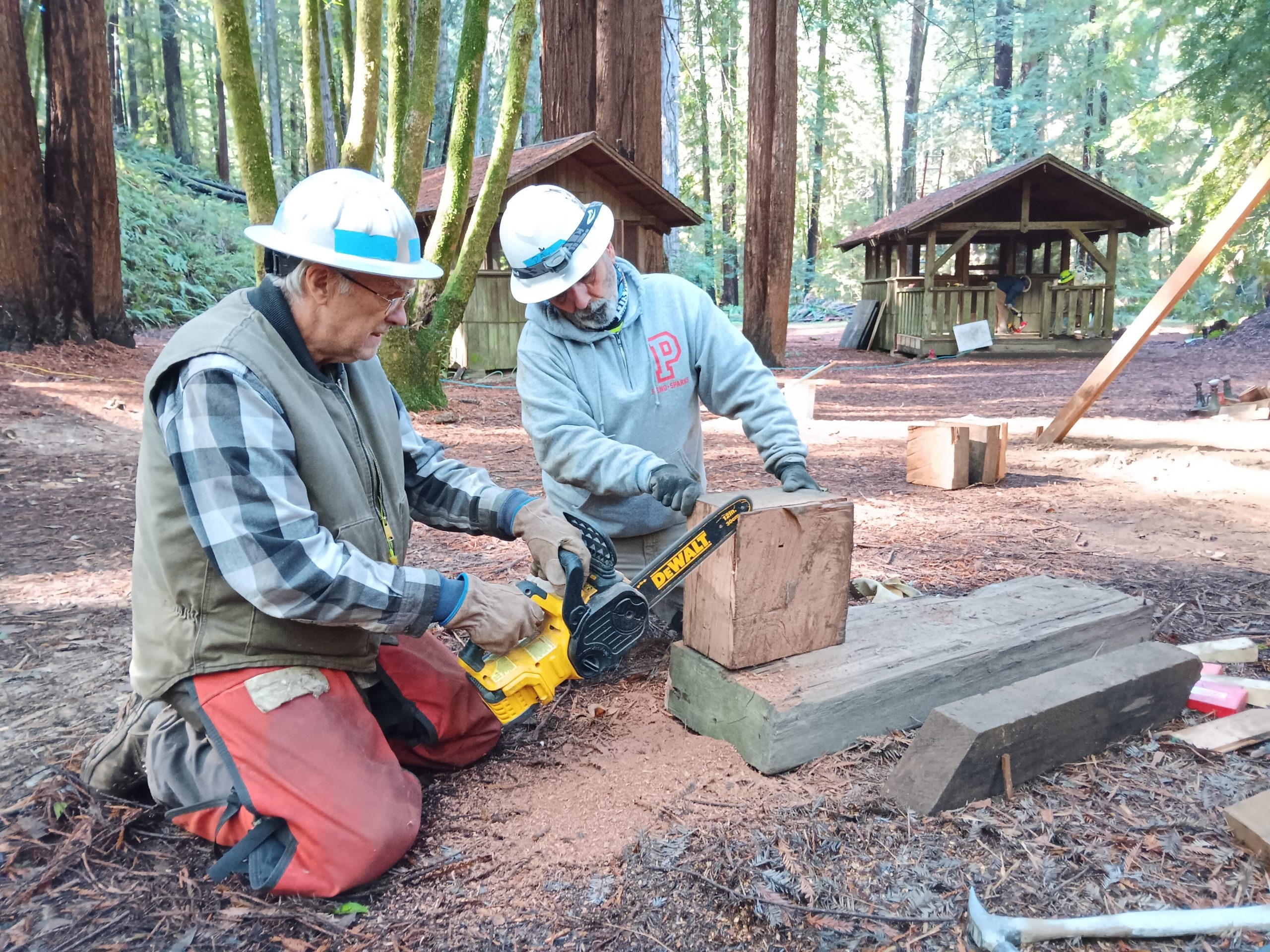
Built by the Works Progress Administration and the Civilian Conservation Corps in the 1930’s as a Recreation Demonstration Area, the Mendocino Woodlands State Park was established to introduce the public to the wonders of nature through recreation and conservation. The campgrounds were created to retire submarginal agricultural and other lands, and repurpose them for recreational use. Mendocino Woodlands is the largest and most intact state park development undertaken by the Recreation Demonstration Area. Camp One opened at Mendocino Woodlands in 1938.
Click here to learn more about the project and volunteer!
Settlers Museum Farmhouse, VA (Phase 2)
George Washington & Jefferson National Forests
November 8-13 and November 15-20
7 Volunteers + 1 Kitchen Helper
JUST RELEASED!
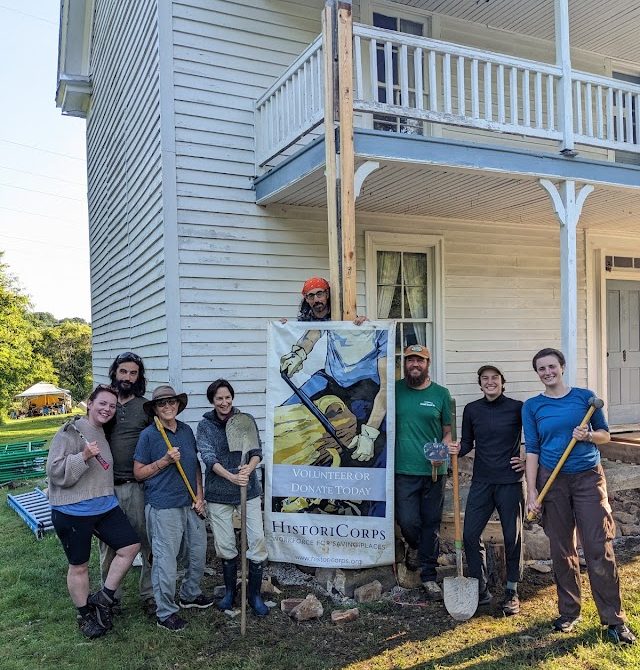
Following earlier efforts this season where 26 volunteers came together over 5 weeks to preserve the iconic farmhouse at Settlers Museum, we’re making a pit stop to begin a new phase of work! Step in your time machine and join us as we experience what rural life looked like in Southwest Virginia in the late 19th century. The Settlers Museum and Farmhouse of Southwest Virginia is a 67-acre open-air museum that shares the story of the people who settled in the region many years ago. Located in the scenic Walker’s Creek Valley, the Settlers Museum and Farmhouse of Southwest Virginia preserves the story of early rural life in the Appalachians.