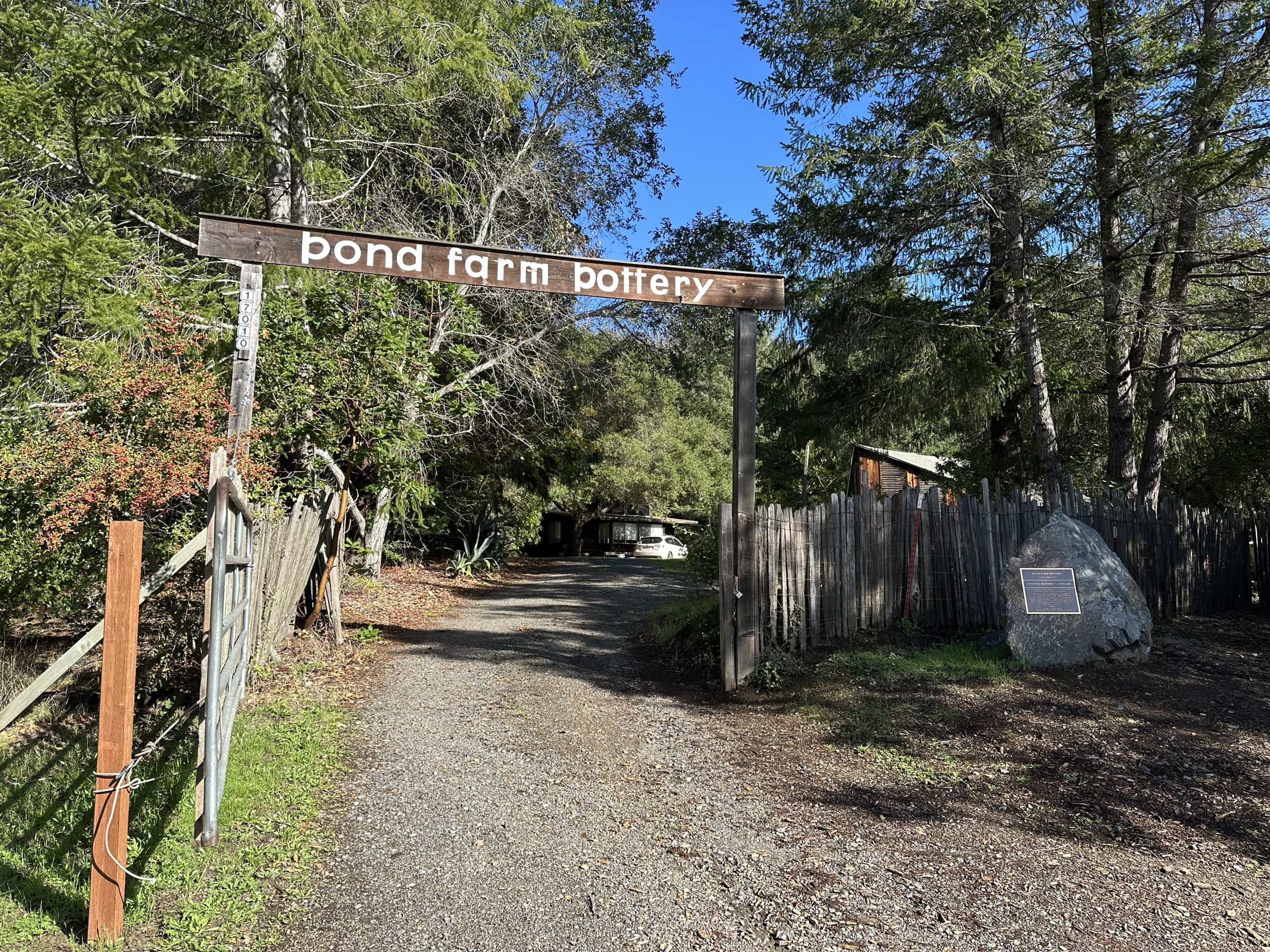
Pond Farm Pottery, CA 2026
We’re headed to California for a unique volunteer opportunity, where preservation meets the fine arts as we work to safeguard a beacon of creative heritage.
PROJECT PARTNER: Stewards of the Coast and Redwoods
SESSION DATES: October 4-9, October 11-16, and October 18-23
CAPACITY PER SESSION: 7 Volunteers + 1 Kitchen Helper
PROJECT SUPERVISOR: Aric Smejkal!
ASSISTANT PROJECT SUPERVISOR: Ryan Heinke!
CREW LEADER: Ashley Aus!
Project Site Description & History
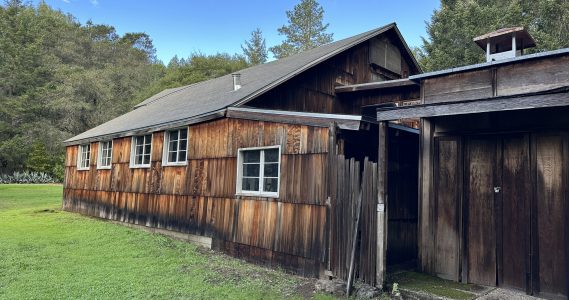
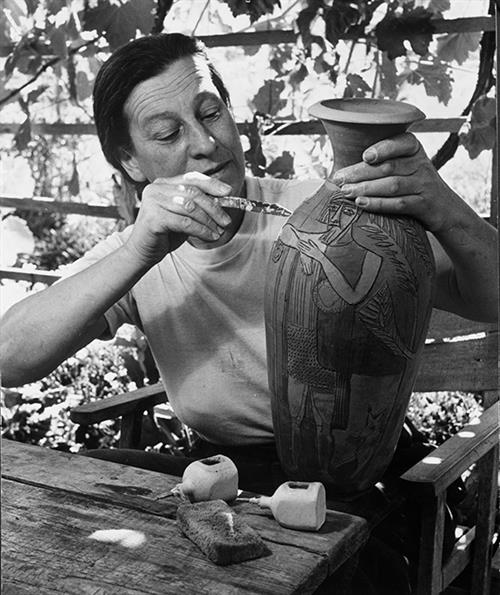
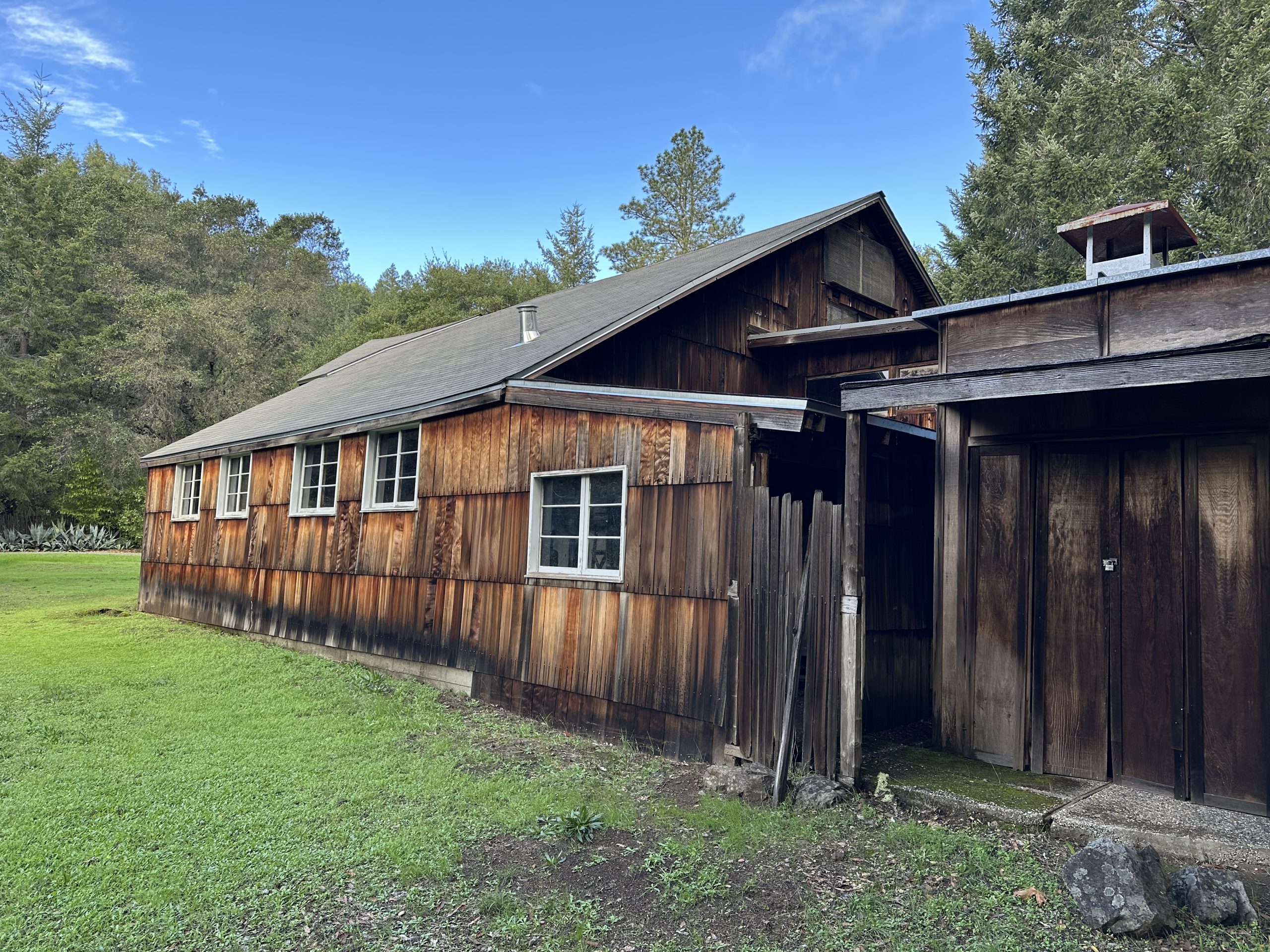
The Pond Farm Pottery, located outside of Guerneville, California, is designated a National Historic Landmark for Marguerite Wildenhain’s role in the American Studio Pottery Movement. As a master potter and Jewish refugee who fled Nazi Germany during World War II, Marguerite introduced Bauhaus techniques and philosophies to the United States through her teachings, published works, and pottery that she produced while living at the site from 1942 until her death in 1985.
The extant pottery studio, residence, and cultural landscape of Pond Farm Pottery retains a high degree of integrity from the period of significance of 1942 to 1980. As a Bauhaus-trained potter, Wildenhain introduced new techniques and philosophies to studio pottery in the United States. Her prolific career encompassing artistic production, teaching, writing, and speaking made her a prominent voice in the studio ceramics community during the period of significance.
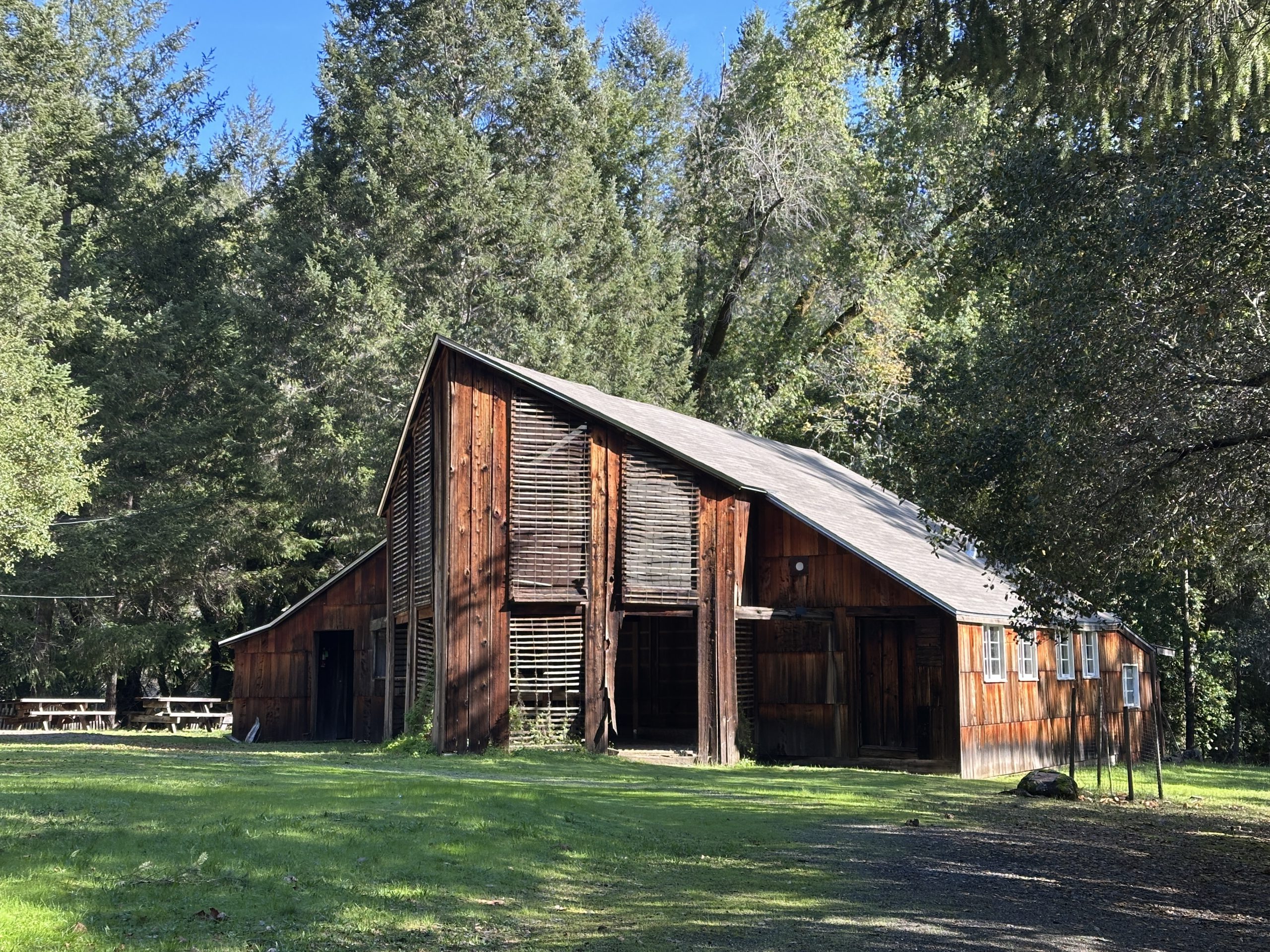
It was while living and working at Pond Farm that Wildenhain produced the bulk of her work, shaped the movement’s discourse, and taught students in her intensive and widely renowned “summer sessions,” which were important in introducing Bauhaus principles of form, technique, and artistry into American ceramics. Pond Farm consists of three original buildings, the Barn/Studio, Wildenhain’s house, and a guesthouse and an 8-acre garden and landscape. The Barn/Studio retains the small, Bauhaus-style potters’ kick-wheels, which are still in operable condition.
According to the NPS National Historic Landmark form, Pond Farm Pottery is eligible as a National Historic Landmark based on its association with master potter Marguerite Wildenhain and as the site of important events in the American Studio Pottery Movement. Join us for this unique and special volunteer opportunity, as we work to preserve an important artistic heritage site.
Location and Logistics
SESSION DATES: October 4-9, October 11-16, and October 18-23
Please plan to arrive at the campsite no earlier than 5pm and no later than 7pm on the first day of your session.
LOCATION: About 40 minutes northwest of Santa Rosa, CA.
MAP to POND FARM POTTERY
ACCESS: 




Tents, car campers, truck campers, campervans, and trailers up to 22 feet can be accommodated at this location. Dogs are allowed at this location.
WEATHER: Anticipate highs in the 70s and lows in the 40s. Weather conditions may be rainy, cloudy, or sunny. Volunteers are responsible for checking weather conditions before their session begins, and packing appropriately.
ABOUT VOLUNTEERING: HistoriCorps projects are free for volunteers! HistoriCorps will provide all meals, tools, training, equipment, and a campsite. Volunteers are responsible for their own transportation to the campsite, sleeping equipment, work gloves, clothes and boots, and other personal gear.
Scope of Work
SCOPE OF WORK DIFFICULTY: 
HistoriCorps is committed to educating and training volunteers in preservation skills, with an overarching mission of inspiring a preservation ethic in all those involved. Learning and working alongside expert HistoriCorps field staff and other volunteers while applying the traditional skills necessary to restore Pond Farm Pottery, you will assist to:
Wildenhain Residence (Marguerite’s House) Repairs
- Repair mud room entrance and subfloor.
- Repair insect-damaged door (bottom rail/stiles) and jamb.
- Replace insect-damaged door sill and subfloor in kind.
- Repaint door, sill, jamb, and trim with 2 coats of high quality white exterior latex paint (match existing color).
- Repair rotted/unsound subfloor under bedroom.
Barn/Studio North Elevation Window and Siding
- Repair windows – North elevation (9 four-lite sash).
- Fabricate and replace 3 heavily deteriorated bottom rails.
- Reglaze all sashes as needed.
Barn/Studio East Elevation Shingles, Siding, and Gutter
- Repair redwood exterior wall elements – East elevation:
- Replace missing and severely deteriorated straight sawn shingles on wall behind kiln (primarily bottom course), gable end, and corner post as needed.
- Replace severely deteriorated siding on packing shed in kind as needed.
Barn/Studio West Elevation Slats, Door Sill, and Siding - Prepare the site for upcoming preservation work.
- Replace severely deteriorated bottom siding nailers on vestibule in kind. Re-establish historical conditions if known.
- Replace in kind severely deteriorated horizontal boards connecting vestibule with barn walls at top of first level.
- Repair and reglaze windows.
Packing Shed Rolled Roofing and Flashing
- Remove and replace two-ply rolled roofing on packing shed in-kind.
- Replace all galvanized edge and sidewall/step flashing in kind.
Reconstruct Potting Shed
- Reconstruct potting shed.
- Document existing structure via photographs and field sketches as needed to recreate historic details. Consult historic photos to determine missing elements to the extent possible.
- Carefully dismantle existing structure, salvaging sound materials for reuse.
- Reconstruct shed in full, replacing unsound materials in kind.
- Reglaze and reinstall on west elevation of shed
Please note: Tasks vary by day and by week, depending on a variety of factors including: weather, project priorities, previous groups’ work, and more. Though it is likely you will get to learn and practice most or all of the above tasks, it is not guaranteed. The higher percentage of the scope a particular task is, the more likely you will get to practice it.
Sign Up!
We’re thrilled this project has inspired you to volunteer!
CLICK HERE TO REGISTER!
Visit our Job Calendar to see how many spaces are available!
*All registrations submitted to projects at capacity will be automatically added to our waitlist.*
CANCELLATIONS effect our ability to complete projects. Please register only if you are certain about your ability to participate.
You will know your registration was successful when you receive a confirmation email. Contact volunteer@historicorps.org for assistance.
HistoriCorps does not charge for its volunteering projects. HistoriCorps relies on donations to continue engaging volunteers to save significant historical sites across America for generations to come. Your donation of any amount will make an incredible difference! Increase your impact – make a generous gift today.
Volunteer Logistics, Policies, and Advice
We’re so glad you’re interested in joining this project! If you’re new to our community, review the Volunteer FAQ first! Please note the following logistics and policies:
- Volunteering with HistoriCorps is free! We will provide all meals, tools, training, equipment, and a campsite or shared indoor lodging. Dinner is not provided on the first night.
- Volunteers are responsible for bringing their own gear, work gloves, sturdy work clothes and boots, and appropriate sleeping equipment. Check the average temperatures before you start packing – the nights and mornings may be colder than you anticipate! Then, read this advice about how to stay warm when tent camping in colder places.
- Campsite accessibility varies by project. Some projects can accommodate tents only; others can accommodate small RVs. Please review the project site description above for more information, and if you’re still not sure, email volunteer@historicorps.org for help.
- If this project does not offer showers, you might want to consider bringing a solar shower or research other methods to clean up after the work day.
- Volunteer crew sizes generally range from 4-8 volunteers, with two HistoriCorps staff that lead and train volunteers in the work.
- Safety is one of HistoriCorps’ top priorities, and volunteers can contribute to a safe working environment by ensuring their physical fitness is adequate for the work. See above for this project’s scope of work and difficulty level. Please, call us if you are not quite sure if a project is a good fit for your skills or fitness level. We may be able to suggest a project more suitable and enjoyable for you.
- Hard hats, eye protection, ear protection, gloves are standard personal protection equipment (PPE) required on all projects. Hard hats must be worn at all times on the project site, unless working in a designated safe space. Field staff will train volunteers on correct use of PPE.
- Dogs are generally allowed to accompany their humans in project campsites (actually, we love having dogs join us around the campfire!). Dogs are not permitted on the job site for everyone's safety. HOWEVER: HistoriCorps also follows the rules and regulations of our project partner. If the project partner does not permit dogs onsite then HistoriCorps is no exception. Please ask HistoriCorps or the project partner directly if you have any questions about whether Fido is welcome.