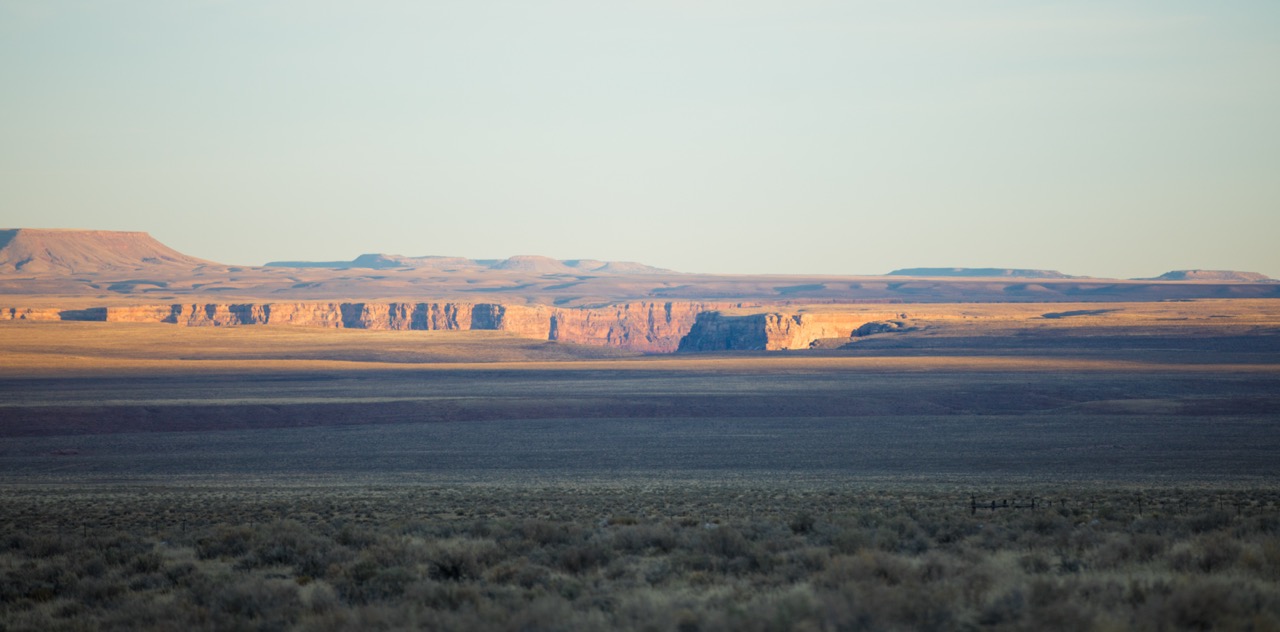
Kane Ranch, AZ 2026
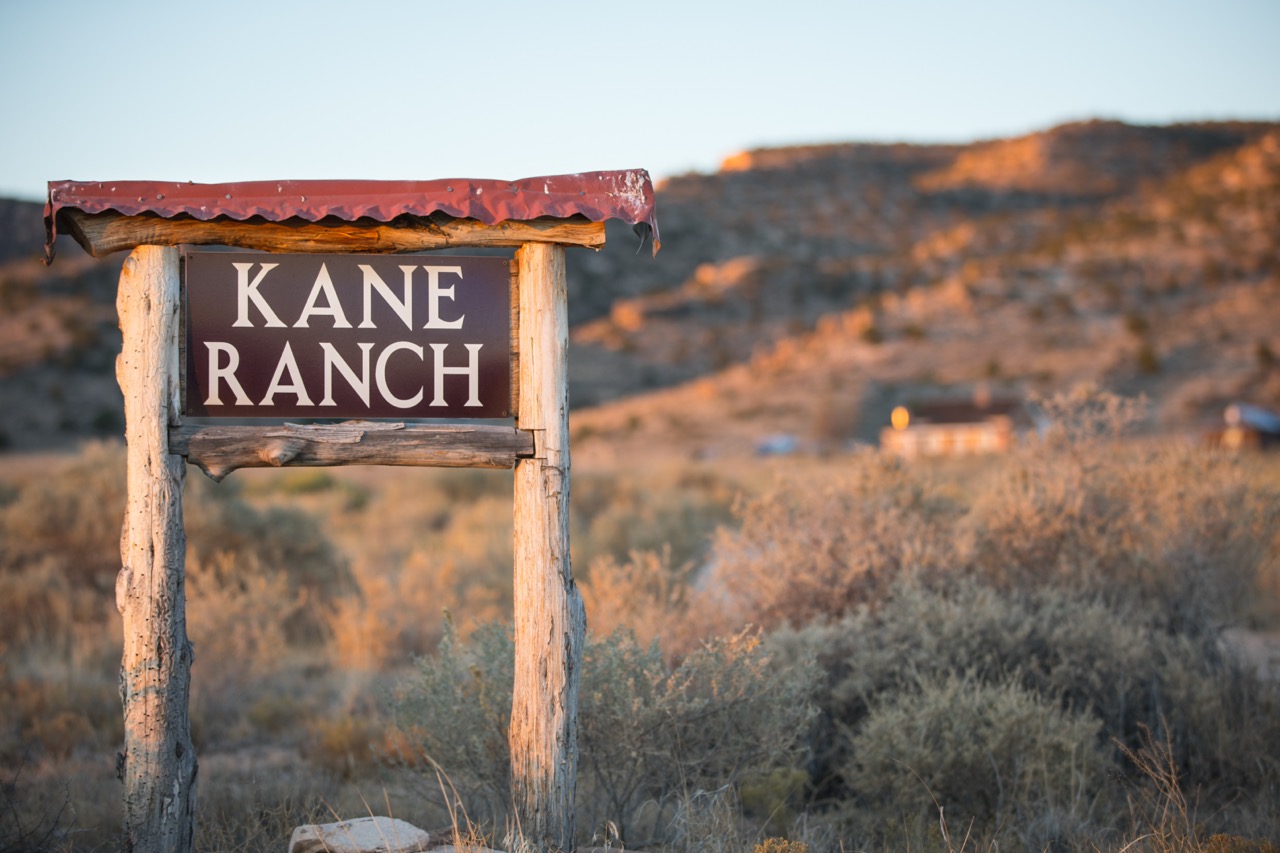
Photo by Meredith Meeks
Join us for what is sure to be an epic season closer along the north rim of the Grand Canyon!
PROJECT PARTNER: The Grand Canyon Trust
SESSION DATES: October 4-9, October 11-16, October 18-23, October 25-30, November 1-6, and November 8-13
CAPACITY PER SESSION: 7 Volunteers + 1 Kitchen Helper
PROJECT SUPERVISORS: Sean Smyth & Tyler Walters!
ASSISTANT PROJECT SUPERVISOR: Tyler Walters & Marissa Hoffman!
CREW LEADER: Zach Draper!
Project Site Description & History
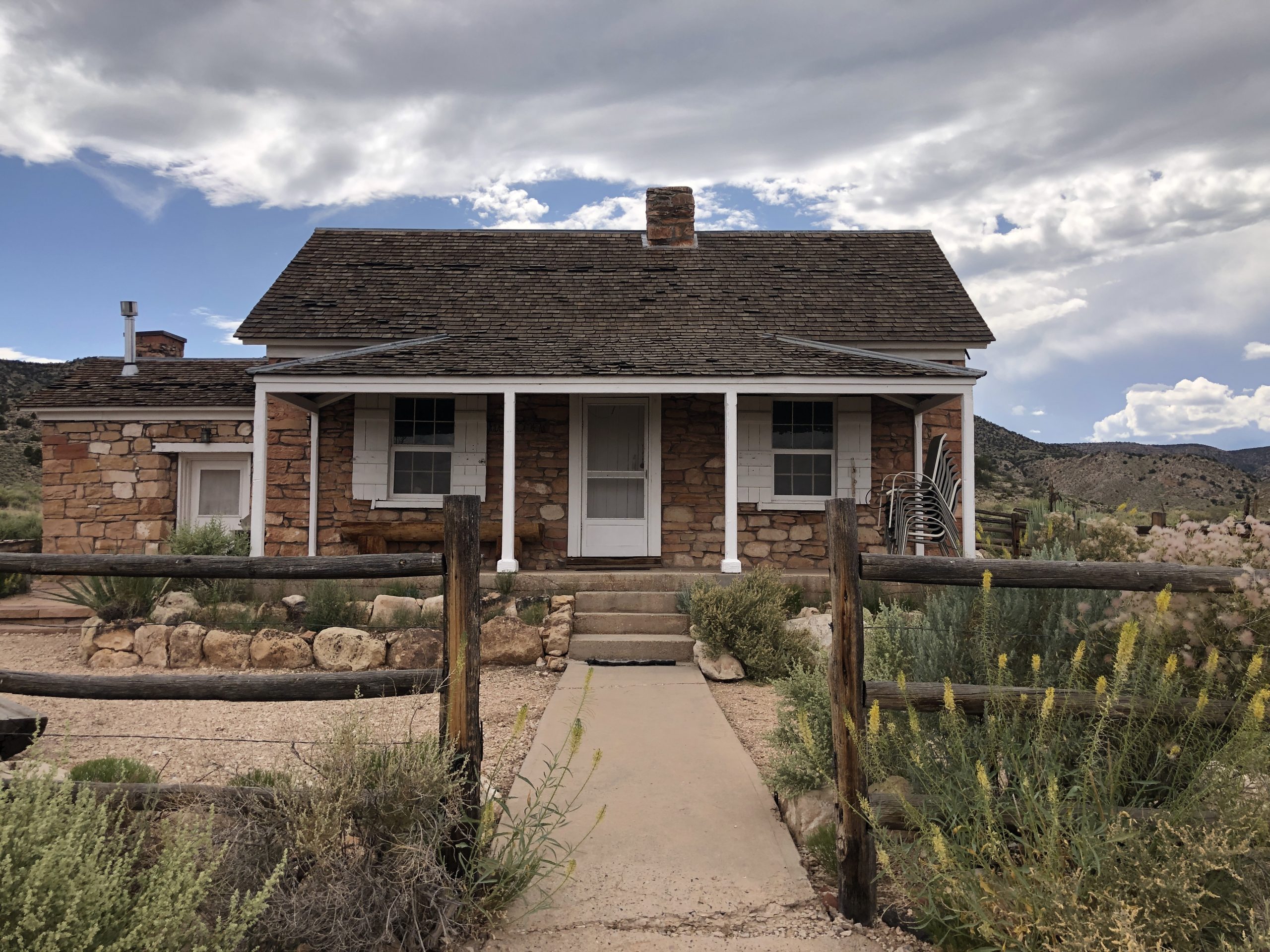
The rustic Kane Ranch is a treasured part of the dynamic ranching legacy that has shaped the area since the late 1800s. Extending across the Kaibab National Forest, the Vermilion Cliffs National Monument, and more, the Kane Ranch is a part of the larger North Rim Ranches that host cattle, research, and restoration grounds. According to our partner at GrandCanyonTrust.org, the Grand Canyon Trust became the grazing permittee for the Kane and Two-Mile Ranches in 2005, now collectively called the North Rim Ranches. These permits cover 830,000 acres of national forest and Bureau of Land Management lands, and the Grand Canyon Trust works with the Jones family to manage the day-to-day ranching operations.
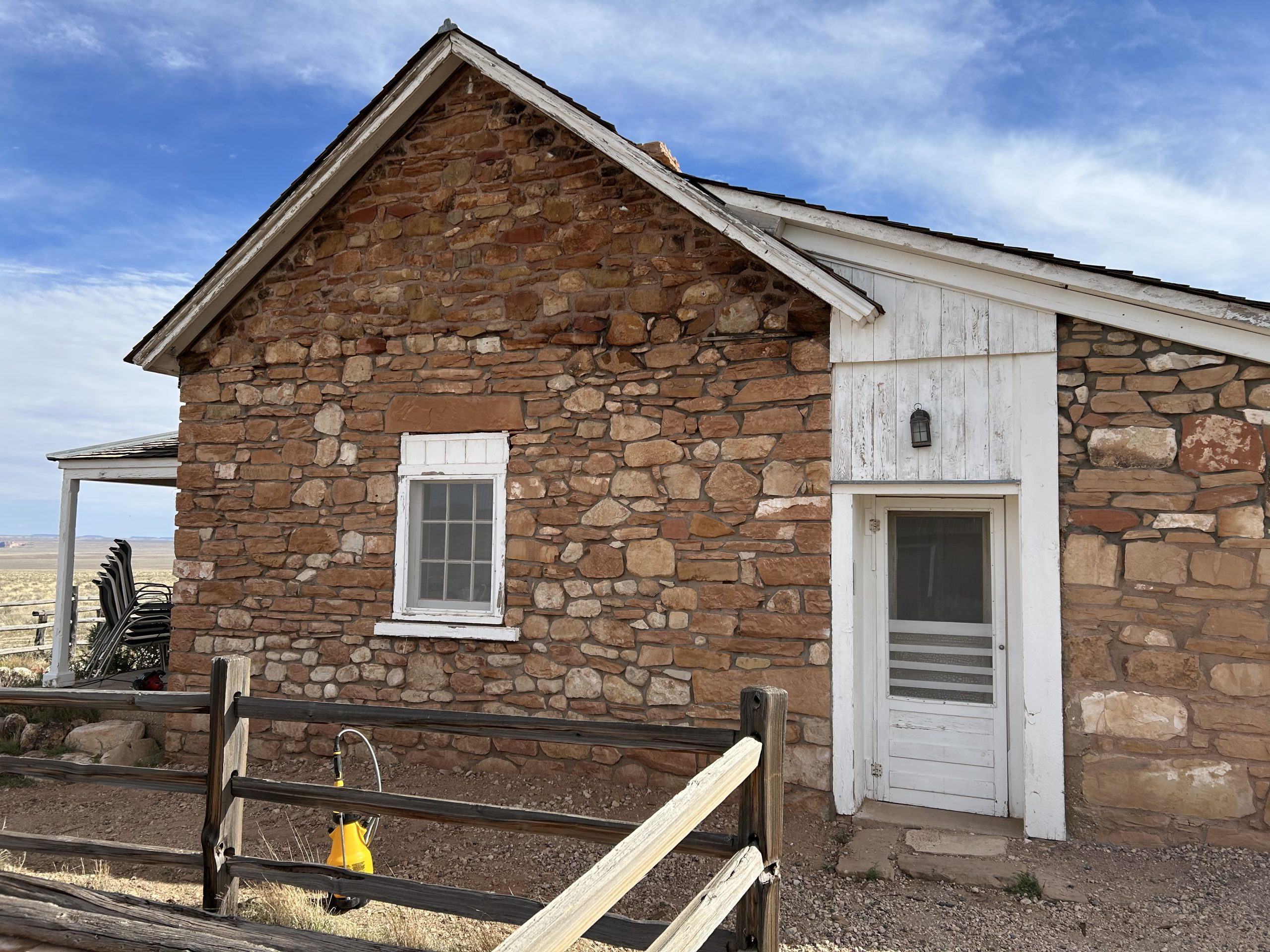
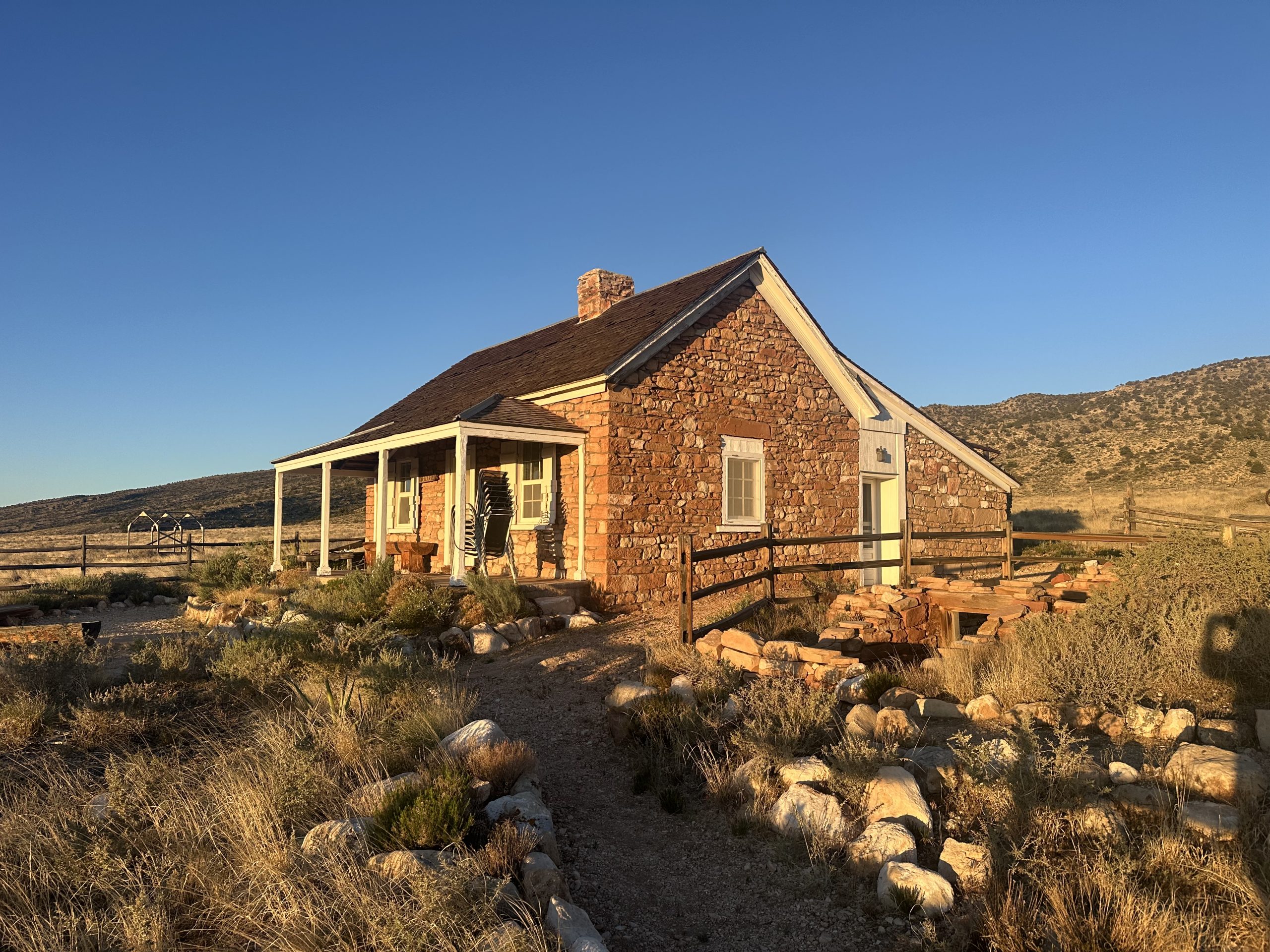
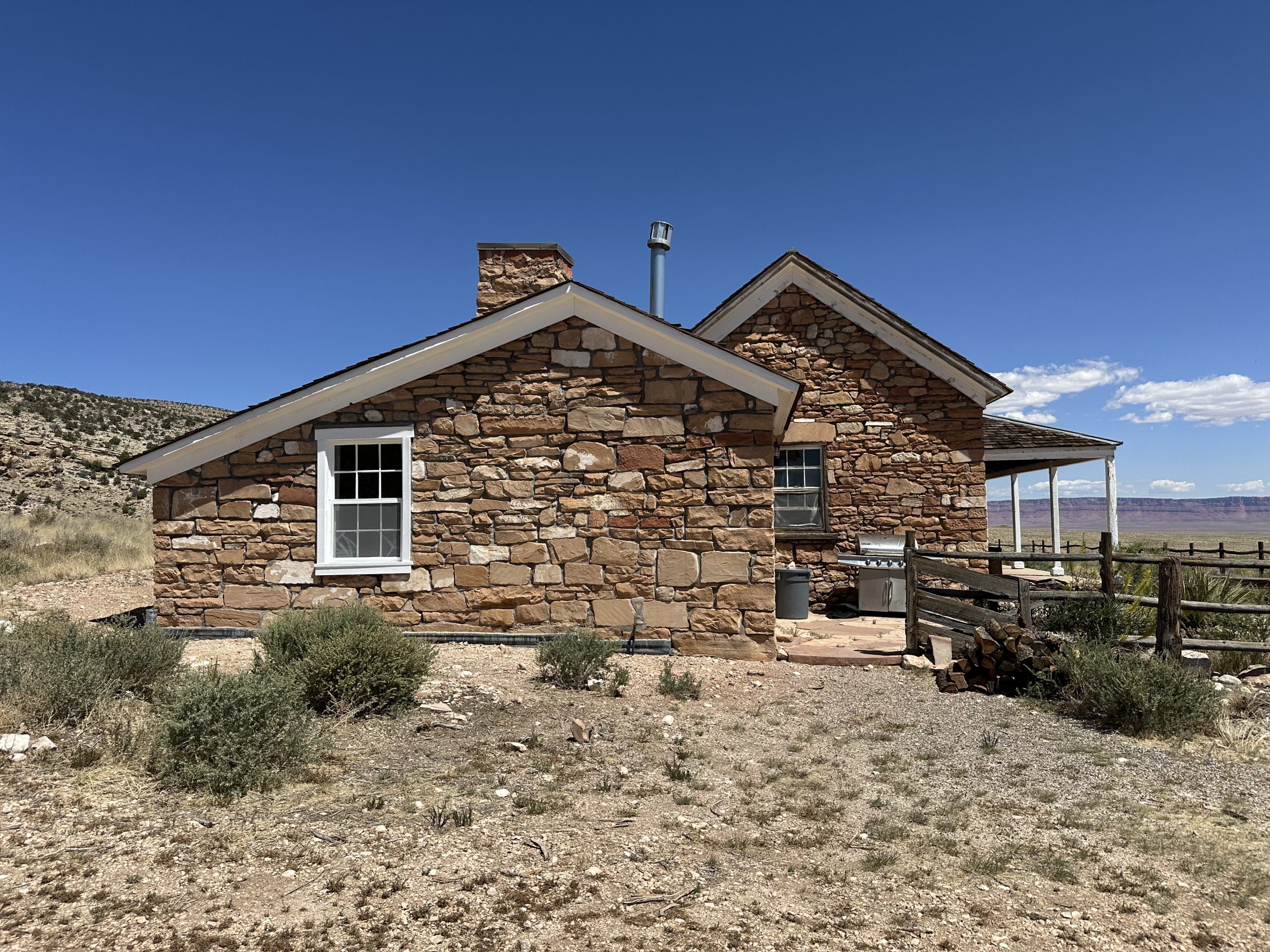
The Kane Ranch Headquarters is eligible for the National Register for its association with the broad pattern of settlement and ranching on the Arizona Strip. The original building was constructed in 1877, and the site served as a ranching hub for over a century. The structure is a one-story, two-room, side-gabled house with symmetrical massing, sandstone walls, a near full-width front porch, and cedar shake roof. The National Register of Historic Places also notes that a three-room rear addition was constructed between 1892 and 1925. This addition has sandstone walls (with a shed roof above its northern two rooms), a saltbox roof above the southern room, and roofing materials that consist of cedar shakes.
The headquarters building and root cellar have retained its integrity of location, design, setting, materials, workmanship, feeling, and association, and strongly convey a sense of the property during its period of significance (1877 to 1957). The ranch’s architectural classification is identified as subtype called “National Folk”, which is a simple, utilitarian residential architecture which was popular in the U.S. from 1850 to 1930. This style is marked by wood-frame construction, simple forms, and the employment of local materials.
Founded by Latter-day Saints circa 1877, the property became an important cattle ranch during the late nineteenth and twentieth centuries. In the early 1890s, the ranch played a key role in a scheme to develop sport hunting in the region and because it embodies a type, period, and method of construction, being a fine example of nineteenth-century National Folk domestic architecture, it meets another criterion for the National Register of Historic Places. The period of significance begins with the founding of the ranch in around 1877, continues through the end of 1957, and the level of significance is local.
Kane Ranch continues to serve as a basecamp for hundreds of volunteers, knowledge holders, students, and other visitors learning about and stewarding the surrounding landscape. We’re honored to partner with the Grand Canyon Trust to help preserve this iconic emblem of local ranching history, and we hope you’ll join us as we embark on another HistoriCorps Arizona adventure!
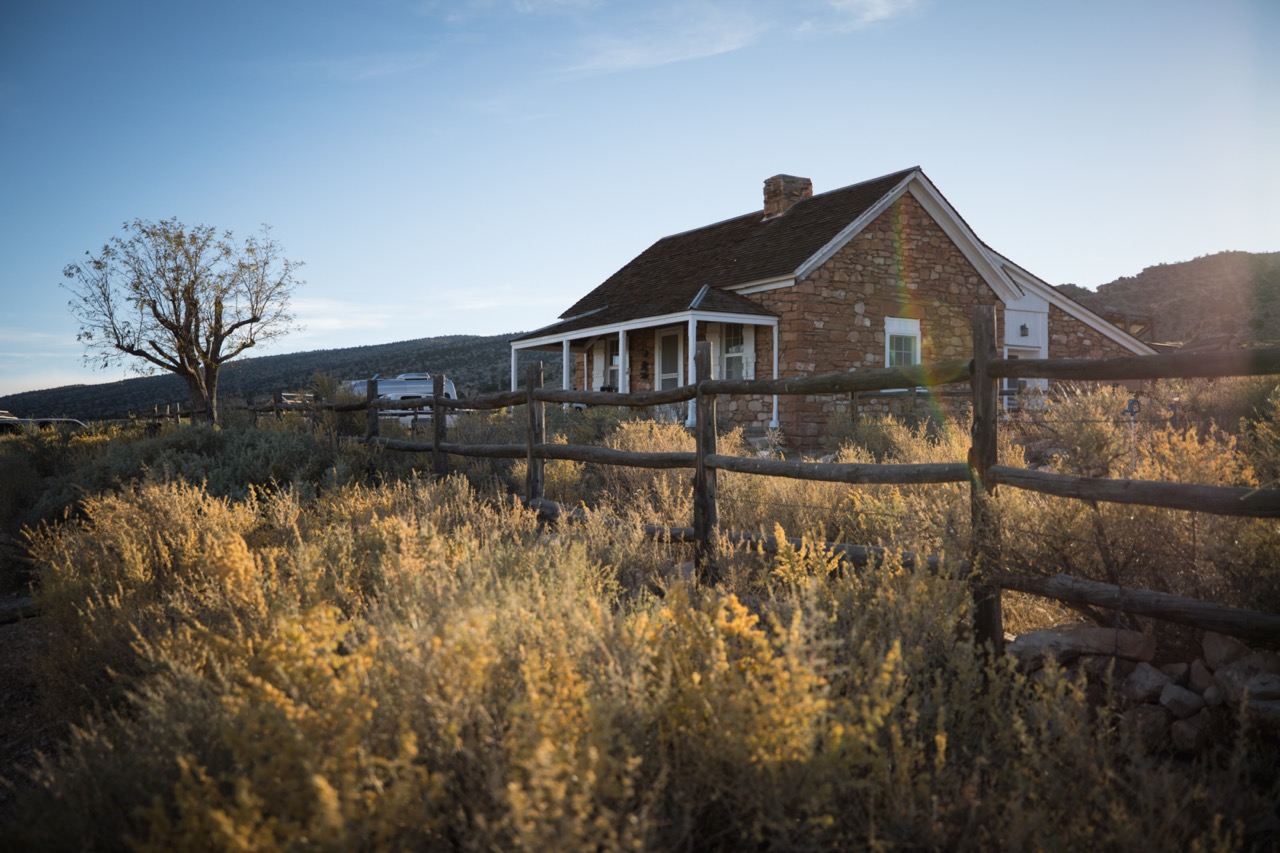
Photo by Meredith Meeks
Location and Logistics
SESSION DATES: October 4-9, October 11-16, October 18-23, October 25-30, November 1-6, and November 8-13
Please plan to arrive at the campsite no earlier than 5pm and no later than 7pm on the first day of your session.
LOCATION: About 3 hours north of the Grand Canyon!
ACCESS: 





Tents, car campers, truck campers, campervans, trailers, and a limited number of RVs are welcome (hookups not available). Unfortunately, dogs are not allowed at this location.
WEATHER: Anticipate highs in the 70s and lows in the 30s. Weather conditions may be rainy, cloudy, or sunny. Volunteers are responsible for checking weather conditions before their session begins, and packing appropriately.
ABOUT VOLUNTEERING: HistoriCorps projects are free for volunteers! HistoriCorps will provide all meals, tools, training, equipment, and a campsite. Volunteers are responsible for their own transportation to the campsite, sleeping equipment, work gloves, clothes and boots, and other personal gear.
Scope of Work
SCOPE OF WORK DIFFICULTY: 
HistoriCorps is committed to educating and training volunteers in preservation skills, with an overarching mission of inspiring a preservation ethic in all those involved. Learning and working alongside expert HistoriCorps field staff and other volunteers while applying the traditional skills necessary to restore the Kane Ranch, you will assist to:
Restore exterior wall repairs
- Remove all exterior Portland cement-based mortar and spray foam partially filling gaps.
- Clean all joints with gentle forced air and hand pump sprayers
- Repoint all joints with NHL mortar and damp cure for 3-5 days
If time allows:
- Wood window rehabilitation
- Other preservation tasks as determined with Grand Canyon Trust staff
Please note: Tasks vary by day and by week, depending on a variety of factors including: weather, project priorities, previous groups’ work, and more. Though it is likely you will get to learn and practice most or all of the above tasks, it is not guaranteed. The higher percentage of the scope a particular task is, the more likely you will get to practice it.
Sign Up!
We’re thrilled this project has inspired you to volunteer!
CLICK HERE TO REGISTER!
Visit our Job Calendar to see how many spaces are available!
*All registrations submitted to projects at capacity will be automatically added to our waitlist.*
CANCELLATIONS effect our ability to complete projects. Please register only if you are certain about your ability to participate.
You will know your registration was successful when you receive a confirmation email. Contact volunteer@historicorps.org for assistance.
HistoriCorps does not charge for its volunteering projects. HistoriCorps relies on donations to continue engaging volunteers to save significant historical sites across America for generations to come. Your donation of any amount will make an incredible difference! Increase your impact – make a generous gift today.
Volunteer Logistics, Policies, and Advice
We’re so glad you’re interested in joining this project! If you’re new to our community, review the Volunteer FAQ first! Please note the following logistics and policies:
- Volunteering with HistoriCorps is free! We will provide all meals, tools, training, equipment, and a campsite or shared indoor lodging. Dinner is not provided on the first night.
- Volunteers are responsible for bringing their own gear, work gloves, sturdy work clothes and boots, and appropriate sleeping equipment. Check the average temperatures before you start packing – the nights and mornings may be colder than you anticipate! Then, read this advice about how to stay warm when tent camping in colder places.
- Campsite accessibility varies by project. Some projects can accommodate tents only; others can accommodate small RVs. Please review the project site description above for more information, and if you’re still not sure, email volunteer@historicorps.org for help.
- If this project does not offer showers, you might want to consider bringing a solar shower or research other methods to clean up after the work day.
- Volunteer crew sizes generally range from 4-8 volunteers, with two HistoriCorps staff that lead and train volunteers in the work.
- Safety is one of HistoriCorps’ top priorities, and volunteers can contribute to a safe working environment by ensuring their physical fitness is adequate for the work. See above for this project’s scope of work and difficulty level. Please, call us if you are not quite sure if a project is a good fit for your skills or fitness level. We may be able to suggest a project more suitable and enjoyable for you.
- Hard hats, eye protection, ear protection, gloves are standard personal protection equipment (PPE) required on all projects. Hard hats must be worn at all times on the project site, unless working in a designated safe space. Field staff will train volunteers on correct use of PPE.
- Dogs are generally allowed to accompany their humans in project campsites (actually, we love having dogs join us around the campfire!). Dogs are not permitted on the job site for everyone's safety. HOWEVER: HistoriCorps also follows the rules and regulations of our project partner. If the project partner does not permit dogs onsite then HistoriCorps is no exception. Please ask HistoriCorps or the project partner directly if you have any questions about whether Fido is welcome.