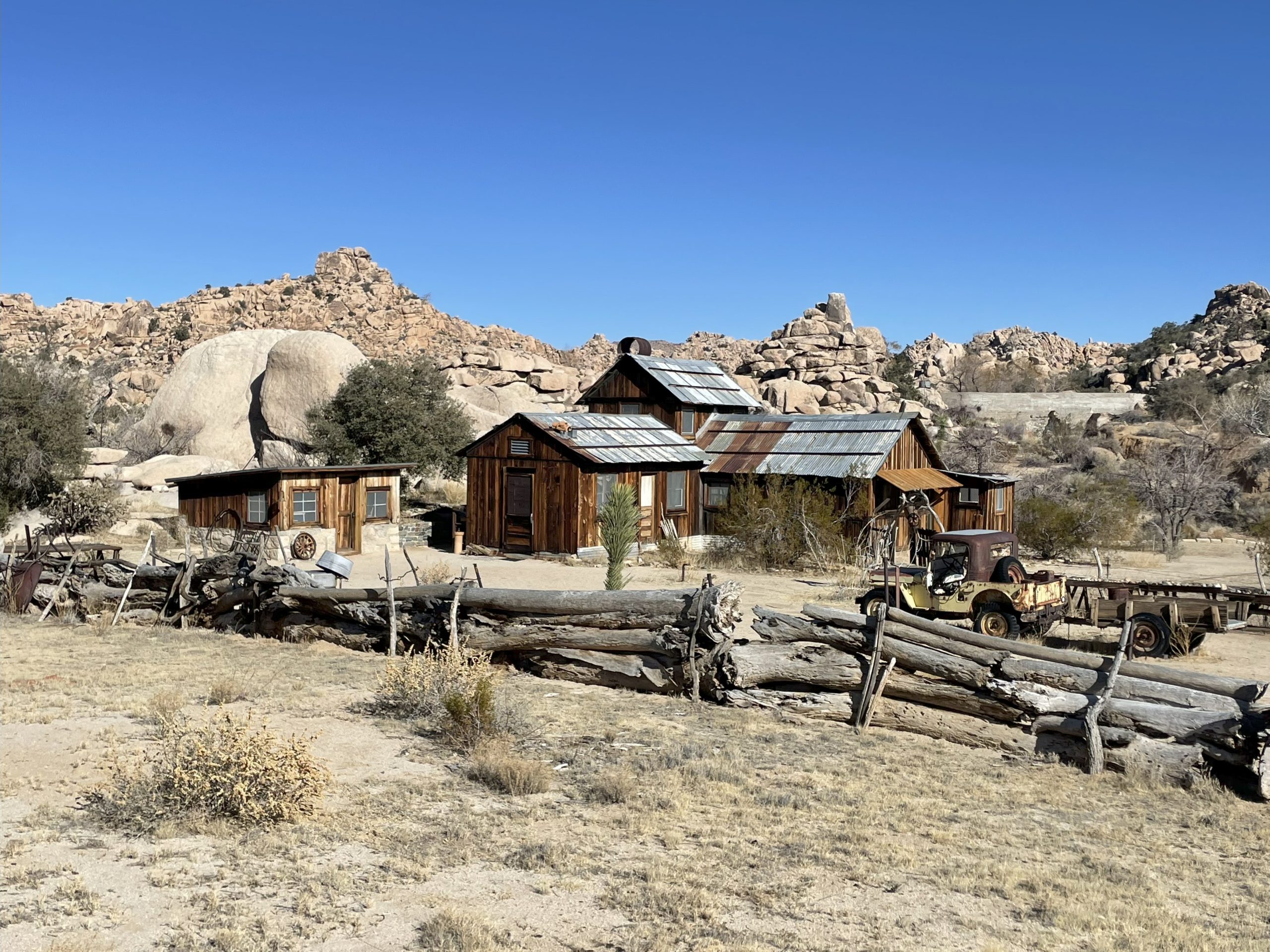
Keys Ranch, CA 2026
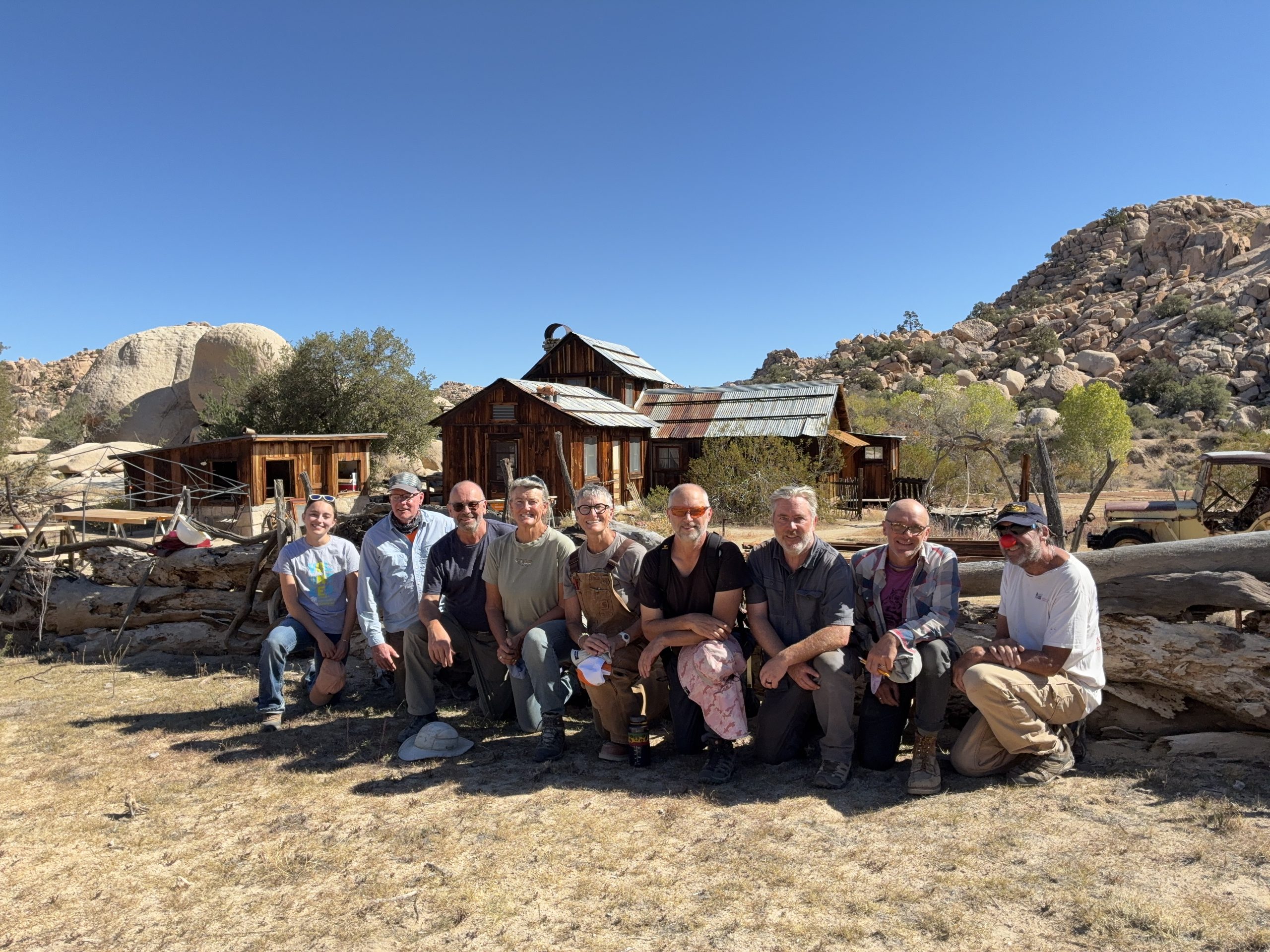
We’re headed back to California’s Joshua Tree National Park for another round of preservation work at the legendary Keys Ranch!
PROJECT PARTNER: Joshua Tree National Park
SESSION DATES: October 4-9, October 11-16, October 18-23, October 25-30, and November 1-6
CAPACITY PER SESSION: Sessions 1, 2, and 3 (7 Volunteers + 1 Kitchen Helper), Sessions 4 and 5 (4 Volunteers + No Kitchen Helper)
PROJECT SUPERVISOR: Aaron Smith!
ASSISTANT PROJECT SUPERVISOR: Matt Entwistle and Jason Benson!
CREW LEADER: Clay Doin-Vieira!
Project Site Description & History
Joshua Tree National Park is known for being the place “where two deserts meet”, and is notable for being the convergence point of two distinct desert ecosystems (as noted by NPS.gov). The park contains both the Mojave and Colorado Deserts and spans almost 800,000 acres. While Joshua Tree National Park was originally designated a National Monument in 1936, the area became a National Park in October of 1994. The park is notable for its dark night skies that are far enough away to be free from the light pollution present in urban centers. This feature of the park allowed for its 2017 “Dark Sky Park” designation.
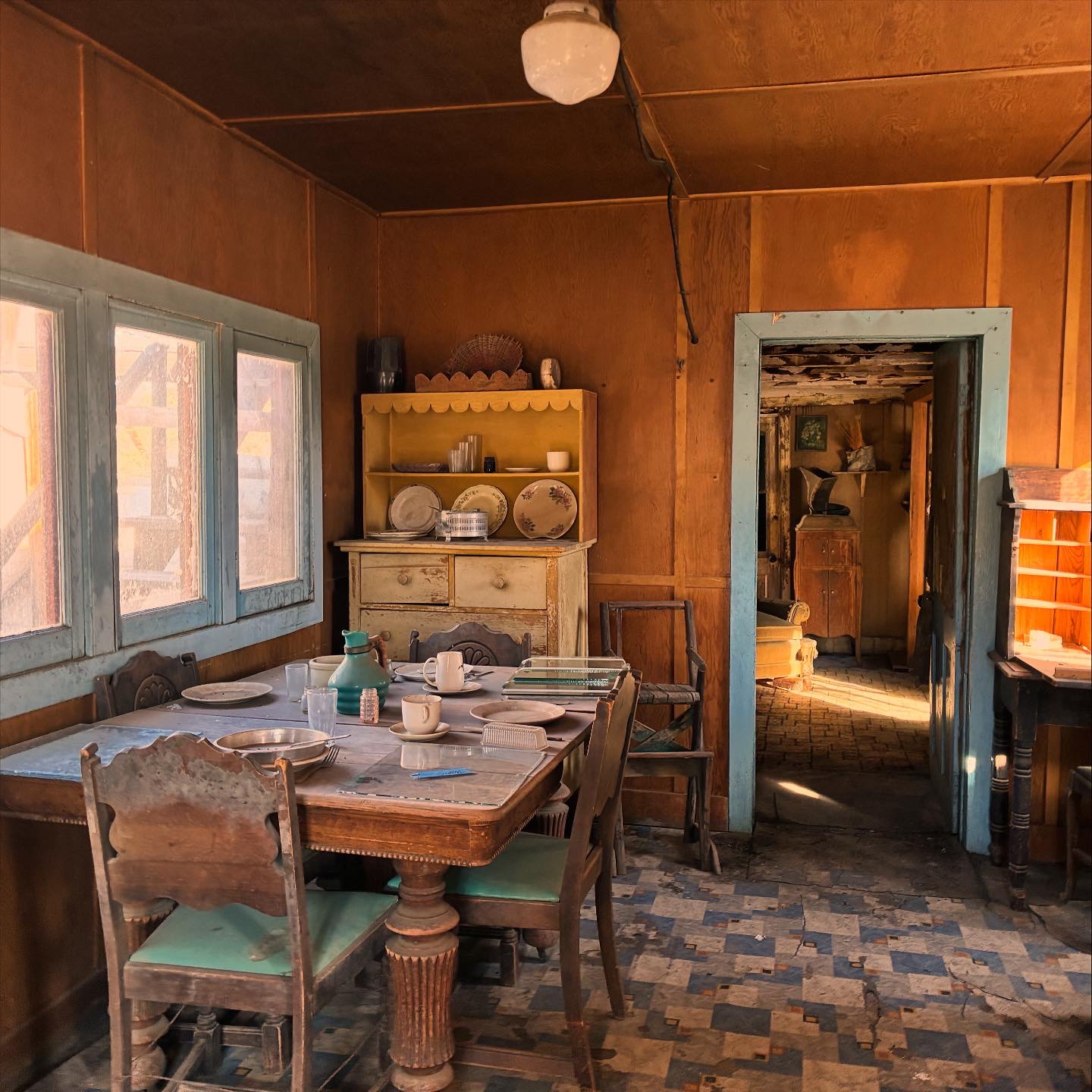
Keys Ranch, located within the Joshua Tree National Park, was established by prominent rancher, miner, and homesteader, William Franklin Keys. This historic area has captured the attention of tourists for years, and is the site of our next California preservation experience. The Keys Ranch is made up of small frame buildings built between the years 1910 and 1969. After arriving in the area in 1910, William Franklin Keys and local outlaw Jim McHaney met and Keys eventually took control of McHaney’s properties after his death.
Keys Ranch is made up of small frame buildings built between the years 1910 and 1969. The building complex was listed on the National Register of Historic Places in 1975 for being an early example of desert settlement, symbolizing the resourcefulness attributed to early settlers in the area. The structures were made from salvaged materials, and is a testament to the creativity and adaptability of early settlers. We hope you’ll join us to conclude our 2025 season in the stunning Joshua Tree National Park!
Location and Logistics
SESSION DATES: October 4-9, October 11-16, October 18-23, October 25-30, and November 1-6
Please plan to arrive at the campsite no earlier than 5pm and no later than 7pm on the first day of your session.
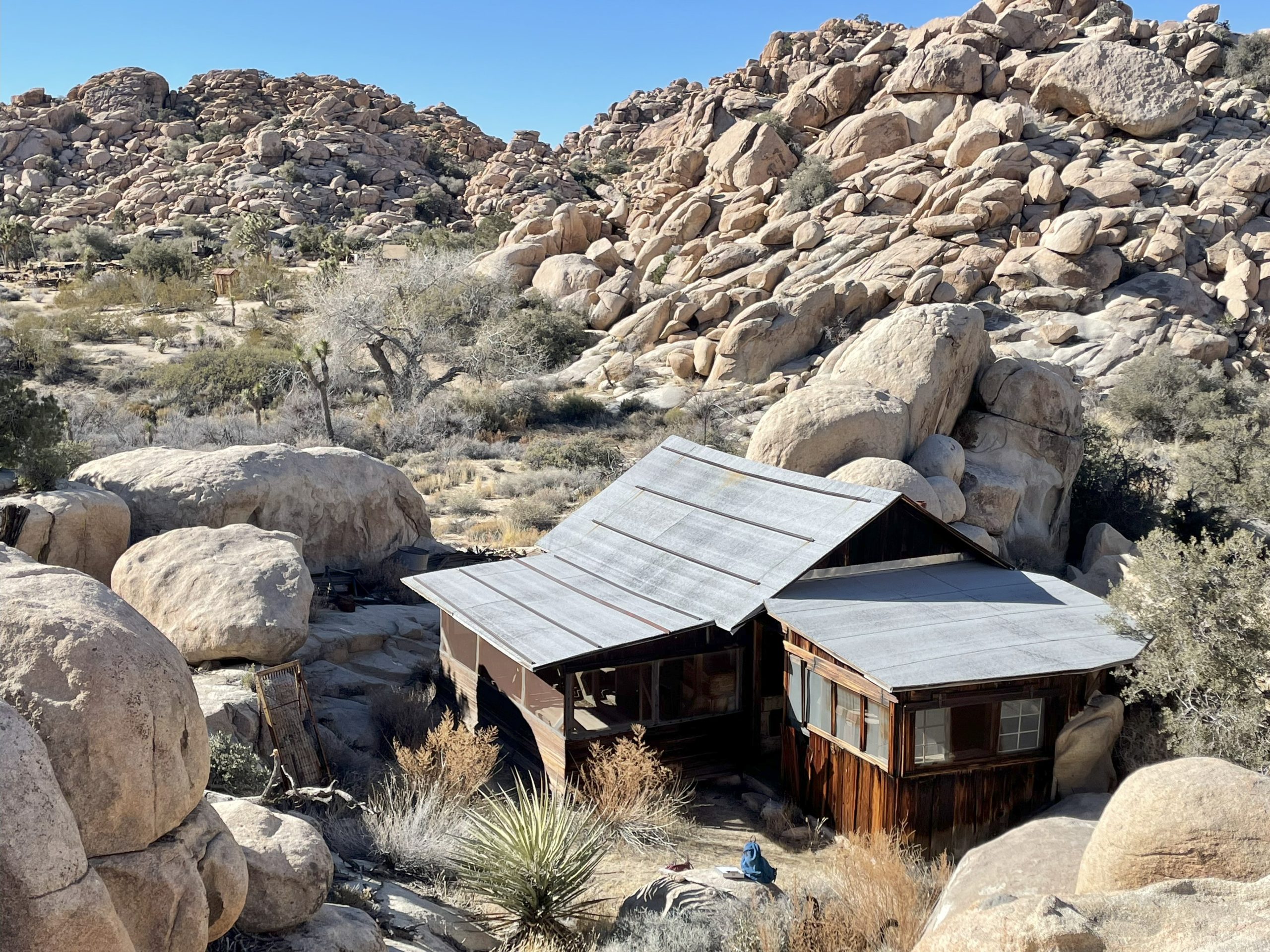
LOCATION: Located about 22 miles southeast of Yucca Valley, California!
MAP to the KEYS RANCH
ACCESS: 





Tent campers, car campers, truck campers, campervans, trailers and RVs 25 ft. (or less) can be accommodated at this project location. Unfortunately, dogs are not allowed at this location. Pet kennel facilities can be found in Yucca Valley CA, there is also a smaller kennel facility near the town of Joshua Tree.
WEATHER: Anticipate highs in the 80s and lows in the 40s. Weather conditions may be rainy, cloudy, or sunny. Volunteers are responsible for checking weather conditions before their session begins, and packing appropriately.
ABOUT VOLUNTEERING: HistoriCorps projects are free for volunteers! HistoriCorps will provide all meals, tools, training, equipment, and a campsite. Volunteers are responsible for their own transportation to the campsite, sleeping equipment, work gloves, clothes and boots, and other personal gear.
Scope of Work
SCOPE OF WORK DIFFICULTY: 
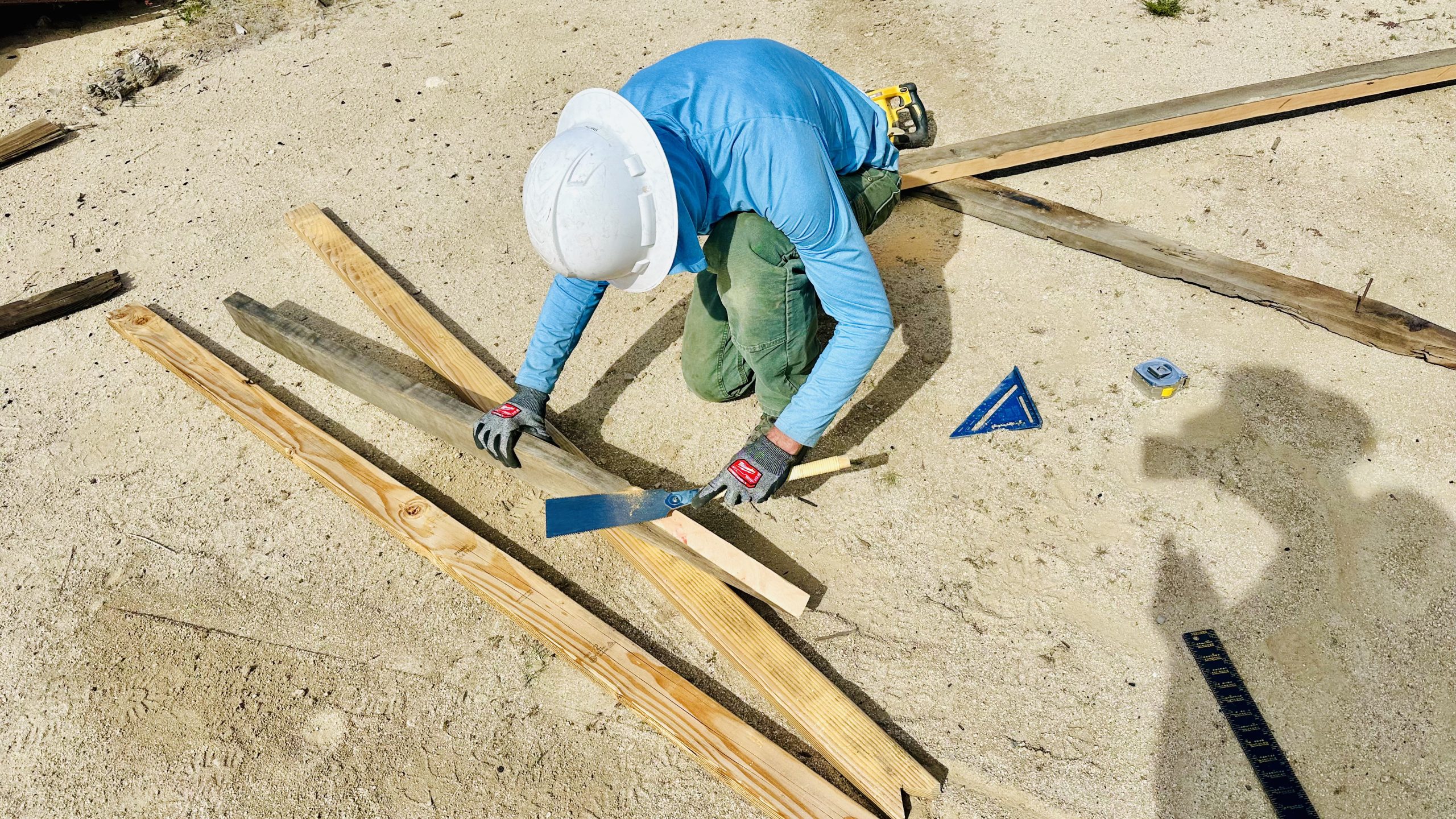
HistoriCorps is committed to educating and training volunteers in preservation skills, with an overarching mission of inspiring a preservation ethic in all those involved. Learning and working alongside expert HistoriCorps field staff and other volunteers while applying the traditional skills necessary to restore the Key’s Ranch, you will assist to:
Ranch House
- Repair windows and exterior doors as needed to ensure safe operation.
- Clean and reglaze remaining window sashes to enhance window components.
- Repair the roof to reinforce the building’s structural integrity.
North House (Teacher’s House)
- Tuckpoint mortar on rock foundation on the north façade.
- Repair doors and door jambs to allow proper closure.
- Reglaze remaining window sashes.
North House (Teacher’s House) Outhouse
- Replace plywood roof decking and rolled roofing in-kind.
- Conduct minor siding repairs to protect the structure from water intrusion and further stabilize the structure.
- Repair and reinstall doors to improve entry-point access.
Schoolhouse (North)
- Complete replacement of heavily deteriorated and missing siding battens to prevent moisture and structural stress on the building.
- Repair and reinstall screen door to improve entry-point access.
- Prepare the site for upcoming preservation work.
South House (Schoolhouse)
- Reposition dry stone foundation on west side where it has been washed away from the building footprint.
- Stabilize/repair/replace door panels, rails, and stiles as needed.
- Repair windows and jambs as needed to ensure proper fit.
- Reglaze all windows (7 sash, 18 lites).
Machine Shed
- Excavate shallow (4-6”) swale along west elevation of building to redirect stormwater drainage away from building.
- Repair/reinforce sagging roof framing as needed.
- Repair damaged gate/fence to the north of the building.
McHaney Cabin
- Replace select metal roofing panels to ensure adequate overhang to prevent water intrusion.
- Replace heavily deteriorated door components in-kind as needed to ensure safe operation.
If time allows:
- McHaney Cabin: Replace cupped tongue-in-groove porch flooring in-kind and seal with clear, low gloss finish.
- Teacher’s House: Reconstruct 5 window sash in the east porch (kitchen).
- Other preservation tasks as determined with NPS staff.
Please note: Tasks vary by day and by week, depending on a variety of factors including: weather, project priorities, previous groups’ work, and more. Though it is likely you will get to learn and practice most or all of the above tasks, it is not guaranteed. The higher percentage of the scope a particular task is, the more likely you will get to practice it.
Sign Up!
We’re thrilled this project has inspired you to volunteer!
CLICK HERE TO REGISTER!
Visit our Job Calendar to see how many spaces are available!
*All registrations submitted to projects at capacity will be automatically added to our waitlist.*
CANCELLATIONS effect our ability to complete projects. Please register only if you are certain about your ability to participate.
You will know your registration was successful when you receive a confirmation email. Contact volunteer@historicorps.org for assistance.
HistoriCorps does not charge for its volunteering projects. HistoriCorps relies on donations to continue engaging volunteers to save significant historical sites across America for generations to come. Your donation of any amount will make an incredible difference! Increase your impact – make a generous gift today.
Volunteer Logistics, Policies, and Advice
We’re so glad you’re interested in joining this project! If you’re new to our community, review the Volunteer FAQ first! Please note the following logistics and policies:
- Volunteering with HistoriCorps is free! We will provide all meals, tools, training, equipment, and a campsite or shared indoor lodging. Dinner is not provided on the first night.
- Volunteers are responsible for bringing their own gear, work gloves, sturdy work clothes and boots, and appropriate sleeping equipment. Check the average temperatures before you start packing – the nights and mornings may be colder than you anticipate! Then, read this advice about how to stay warm when tent camping in colder places.
- Campsite accessibility varies by project. Some projects can accommodate tents only; others can accommodate small RVs. Please review the project site description above for more information, and if you’re still not sure, email volunteer@historicorps.org for help.
- If this project does not offer showers, you might want to consider bringing a solar shower or research other methods to clean up after the work day.
- Volunteer crew sizes generally range from 4-8 volunteers, with two HistoriCorps staff that lead and train volunteers in the work.
- Safety is one of HistoriCorps’ top priorities, and volunteers can contribute to a safe working environment by ensuring their physical fitness is adequate for the work. See above for this project’s scope of work and difficulty level. Please, call us if you are not quite sure if a project is a good fit for your skills or fitness level. We may be able to suggest a project more suitable and enjoyable for you.
- Hard hats, eye protection, ear protection, gloves are standard personal protection equipment (PPE) required on all projects. Hard hats must be worn at all times on the project site, unless working in a designated safe space. Field staff will train volunteers on correct use of PPE.
- Dogs are generally allowed to accompany their humans in project campsites (actually, we love having dogs join us around the campfire!). Dogs are not permitted on the job site for everyone's safety. HOWEVER: HistoriCorps also follows the rules and regulations of our project partner. If the project partner does not permit dogs onsite then HistoriCorps is no exception. Please ask HistoriCorps or the project partner directly if you have any questions about whether Fido is welcome.