Preserving Section 106
An Educational Series
Published October 15, 2026
What Is It?
For nearly 60 years, the National Historic Preservation Act (NHPA) has defined the architecture for historic preservation as we know it today and has guided preservation initiatives within the United States. This Act establishes institutions that facilitate the preservation of historic and archeological sites within the country. Now, proposed revisions to the Section 106 review process, a key component of the Act, could significantly change how federal agencies consider and address impacts to historic properties.
The roots of American historic preservation stretch back to the 1850s, when George Washington’s Mount Vernon estate faced deterioration and an uncertain future. In 1853, Ann Pamela Cunningham founded the Mount Vernon Ladies’ Association, rallying women across the country to purchase and preserve the property. Their successful campaign helped launch the American preservation movement and demonstrated the power of collective action to save historic places.
Federal preservation efforts gradually followed. The Antiquities Act of 1906 established protections for historic and archaeological resources on federal lands, while the Historic Sites Act of 1935 formally recognized historic preservation as a national responsibility.
Despite these advances, the mid-twentieth century brought unprecedented losses. Federal highway construction and urban renewal programs transformed American cities, demolishing entire neighborhoods and countless historic buildings in the name of progress.
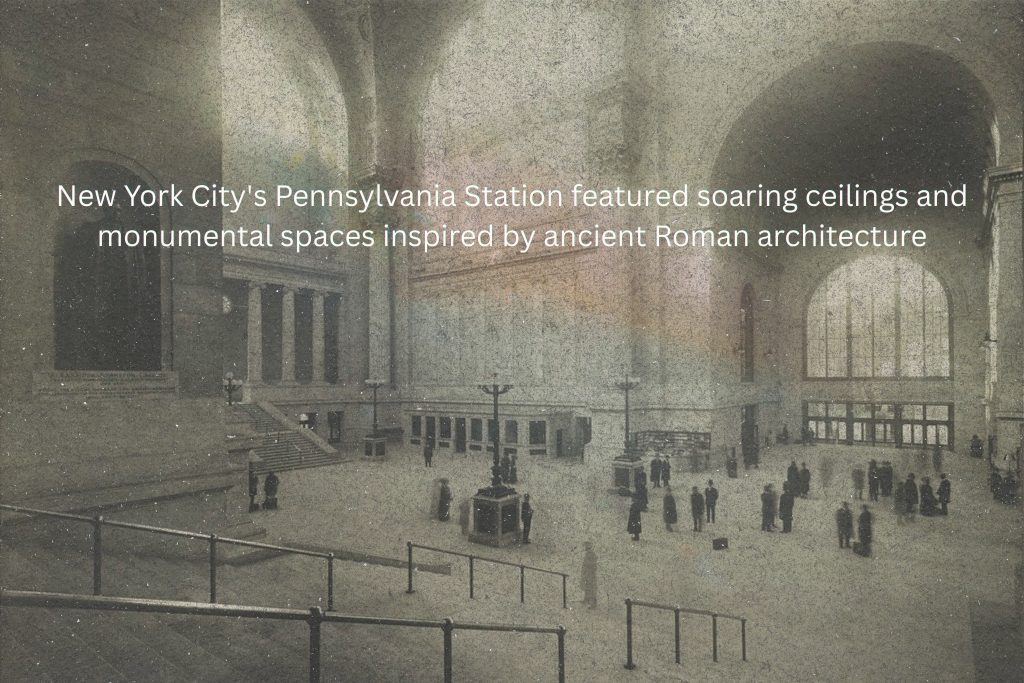
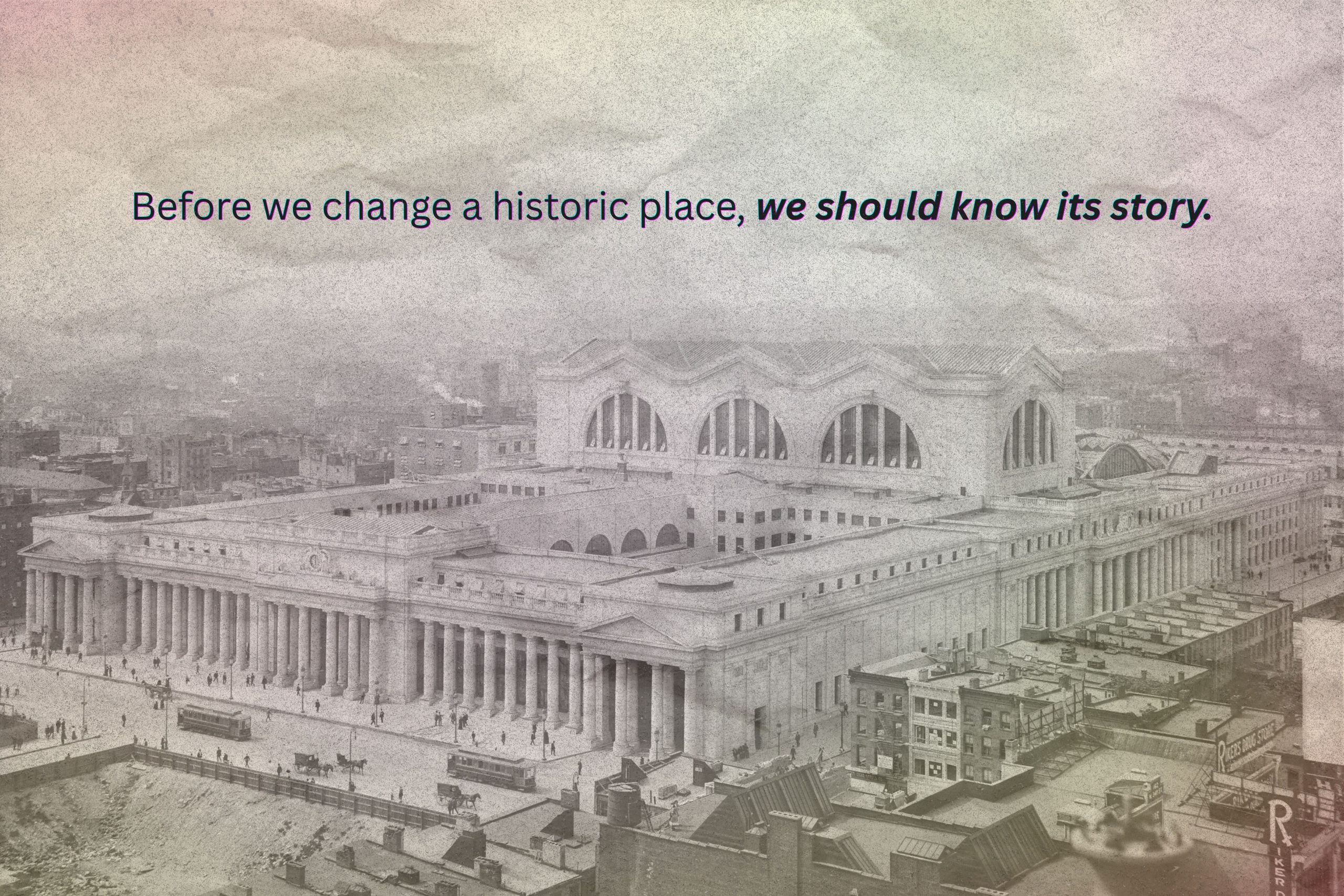
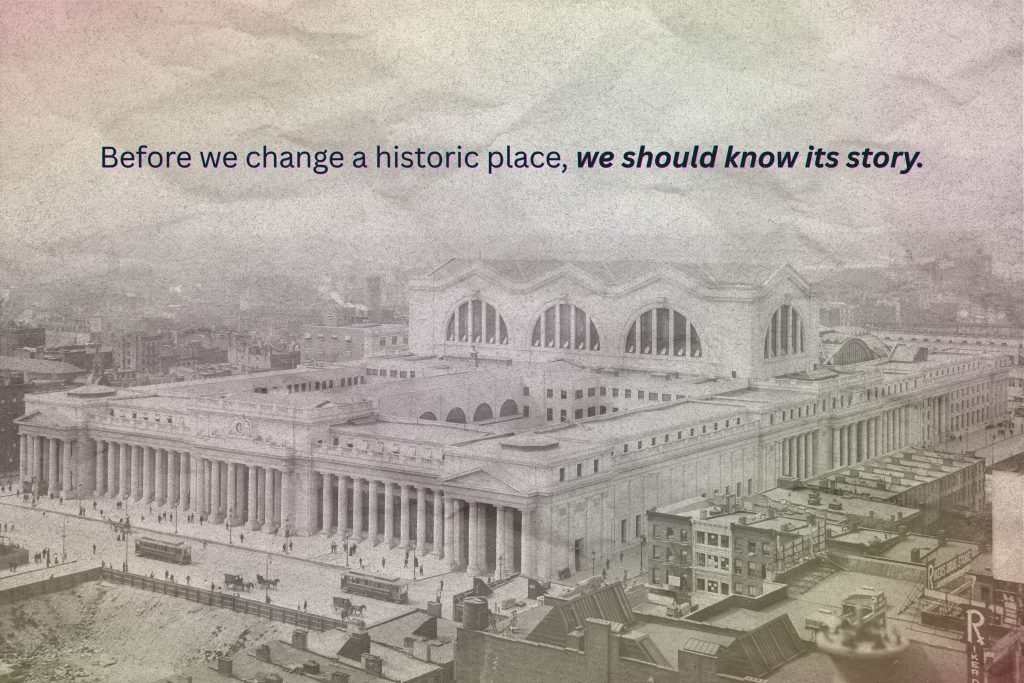
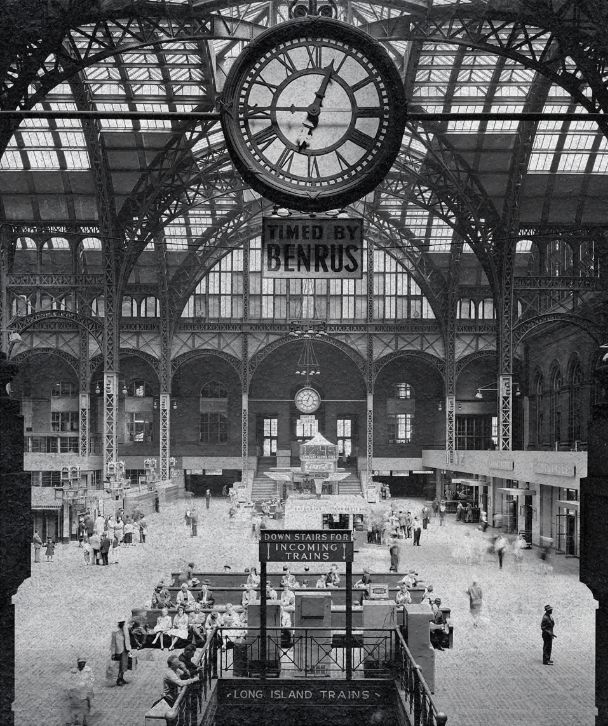
Perhaps the most infamous example was New York City’s Pennsylvania Station. Completed in 1910, this magnificent Beaux-Arts landmark featured soaring ceilings and monumental spaces inspired by ancient Roman architecture. Yet in 1963, demolition began to make way for Madison Square Garden and a new underground station. Public outrage over its destruction became a defining moment in the preservation movement, demonstrating how easily irreplaceable architecture could disappear.
 As losses mounted nationwide, a growing preservation movement called for stronger federal action. In 1966, a special committee that included First Lady Bird Johnson published With Heritage So Rich, a landmark report documenting the widespread destruction of historic places and calling for a coordinated national preservation program.
That same year, President Lyndon B. Johnson signed the National Historic Preservation Act on October 15, 1966. The legislation established the National Register of Historic Places, State Historic Preservation Offices, the Advisory Council on Historic Preservation, and the Section 106 review process.
What Is Section 106?
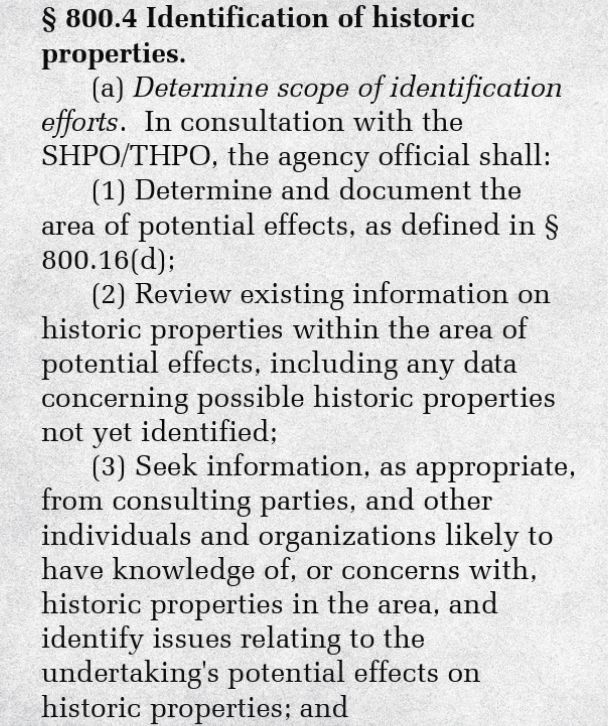 Imagine a historic ranger station, mining cabin, or campground built nearly a century ago. Its walls hold generations of stories, but time, changing needs, and new development may threaten its future. That is where Section 106 comes in. Any time federal dollars are allocated for a project, the process requires federal agencies to consider how their projects and decisions may affect historic properties. It provides an outline for identifying significant places, evaluating potential impacts, and involving communities in decisions about their future.
At its core, Section 106 requires federal agencies to consider how their undertakings—including federally funded, permitted, or approved projects—may affect historic properties. It establishes four essential steps:
- Start the conversation: Identify the proposed federal action and appropriate consulting parties.
- Understand the place: Identify historic properties and evaluate their significance.
- Consider the impacts: Assess how the proposed action may affect those properties.
- Explore solutions: Consult on ways to avoid, minimize, or mitigate adverse effects.
Section 106 doesn’t guarantee that every historic place will be saved. Rather, it provides a process for ensuring that historic significance is considered and communities have opportunities to participate before decisions are made.
At HistoriCorps, we see firsthand why this matters. The historic structures our volunteers help preserve represent generations of craftsmanship, experiences, and stories. Understanding their significance is essential to ensuring these places remain part of our shared heritage.
Before we change a historic place, we should know its story.