Preserving Section 106
An Educational Series
Published October 8, 2026
What Matters?
Every place has a story. Sometimes, a building’s defining story begins with its construction, but more often, a place is shaped by overlapping narratives accumulated over time. Generations of people inhabit these spaces, leaving their mark while also being shaped by them. While a building’s most celebrated history may be widely known, some of its most meaningful stories live in the memories of everyday users.
Places matter because people and their stories matter. Buildings are more than just settings for our lives; they hold memories, relationships, and experiences that give places meaning. As temporary stewards of the built environment, we have the responsibility to ensure future generations can experience, understand, and advocate for our country’s architectural heritage.
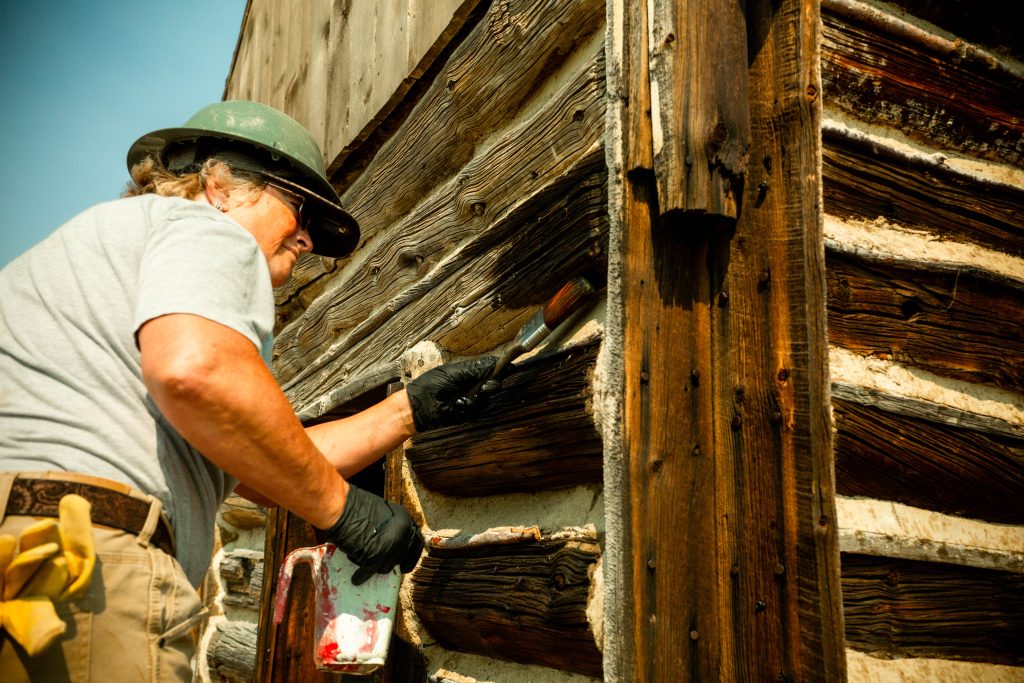
These tangible pieces of the past help inform a better future, yet the tools and processes used to protect them are under threat. Without these safeguards, historic buildings, sites, and resources face the risk of being lost forever. Many of the places you help us preserve each season depend on these protections.
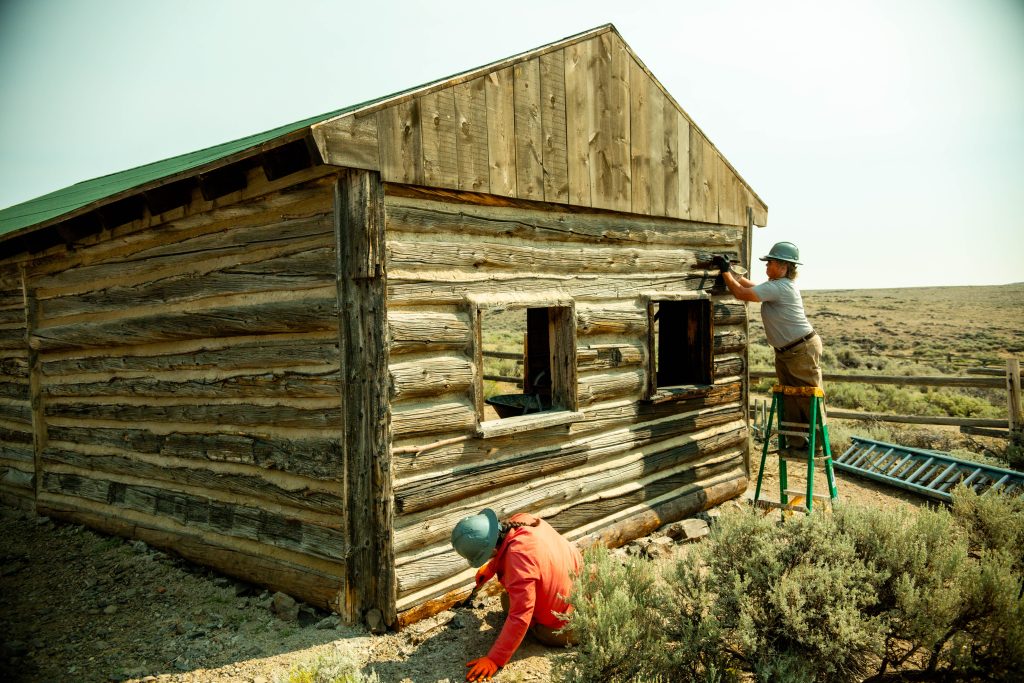
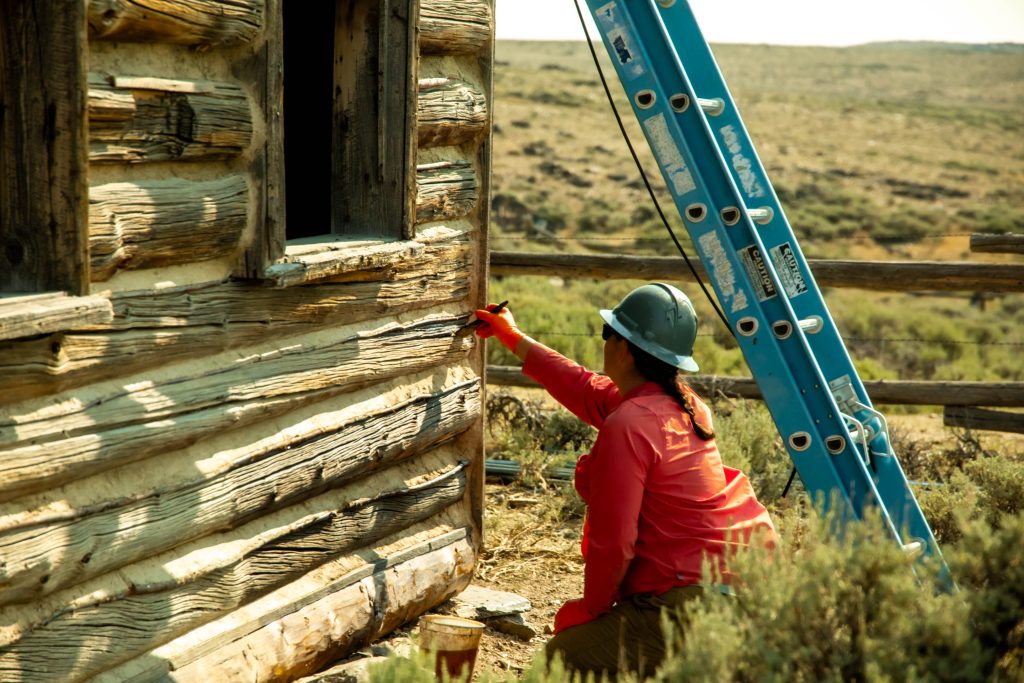
One HistoriCorps project that illustrates the significance of layered history is Gillespie Place in Wyoming. Gillespie Place is a strong example of how a modest building can embody layers of history that extend well beyond its physical form. Its significance lies not only in its construction, but in the generations of use, adaptation, and lived experiences that have accumulated over time. Changes to the building reflect the evolving needs and practical decisions, creating a record of how people occupied and cared for the place across different periods. Preserving Gillespie Place allows those layers to remain visible and legible.
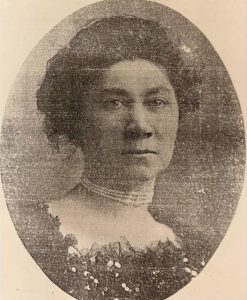 Gillespie Place preserves several overlapping chapters of Wyoming history in one remarkably modest site. Located near Radium Springs along the historic Oregon and Mormon trail corridor, the area was first used by emigrants and other travelers moving through the region during the nineteenth century before becoming part of the Lewiston-area mining landscape. Around 1910, Sarah F. Gillespie established her homestead here and developed a hotel, stable, and mining venture she ambitiously called “Copper City.” A homesteader, prospector, entrepreneur, stagecoach, mail-route driver, and single mother, Gillespie became known as Wyoming’s “Copper Queen” as she pursued copper, gold, and later oil interests in a region where mining ventures often came and went quickly.
Although the mining boom she envisioned never fully materialized, Gillespie remained connected to the property for decades, and the surviving building is now one of the few tangible reminders of her life and of the broader Sweetwater and Lewiston mining era. Preserving Gillespie Place therefore protects more than an early twentieth-century log building; it safeguards a physical link to westward travel, mining, homesteading, women’s entrepreneurship, and the persistence required to build a life in one of Wyoming’s most remote landscapes.
In partnership with preservation organizations across the country, HistoriCorps is joining the conversation to protect Section 106, and we invite you to be a part of that effort. As a part of our ongoing Preserving Section 106 series, we will dig into the policy, proposed changes, and how it impacts the work we do together.
Stay tuned for next week’s feature discussing what Section 106 means to you and why it’s important.