Preserving Section 106
An Educational Series
Published November 12, 2026
Part 5 – What Makes a Historic Place Worth Protecting?
What do a nineteenth-century charcoal kiln, a mountaintop fire lookout, a lighthouse, a CCC-era picnic shelter and a desert homestead have in common? At first glance, very little. Each represents a different chapter of American history, serves a different purpose, and presents its own preservation challenges. Yet across the five HistoriCorps projects featured in our recent case studies, one principle remains constant: understanding what makes a place significant is essential to determining how best to preserve it.
As we reflect on these projects, three interconnected concepts emerge: historic significance, integrity, and appropriate preservation treatments.
Understanding What We’re Preserving
Historic significance tells us why a place matters. A property may be significant for its association with important historical events or people, its distinctive architecture or construction, or its potential to reveal information about the past.
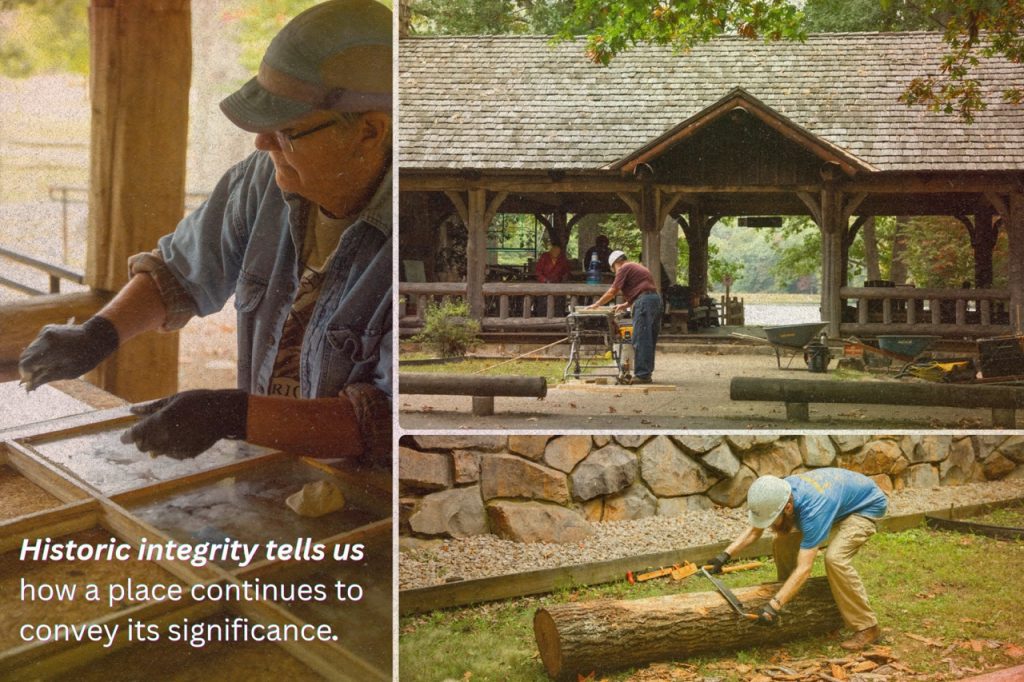
Historic integrity tells us how a place continues to convey that significance. The National Register of Historic Places recognizes seven aspects of integrity: location, design, setting, materials, workmanship, feeling, and association. Together, these characteristics help us understand whether a property retains the physical qualities necessary to convey its historic importance.
Importantly, integrity does not mean a building must remain unchanged or in perfect condition. A deteriorated industrial ruin may retain the features that communicate its significance, while a building that has undergone extensive alterations may no longer reflect the qualities that once made it historically important.
Understanding this distinction helps guide an essential preservation question: Which character-defining features must be retained for this place to continue telling its story?
Different Places, Different Approaches??
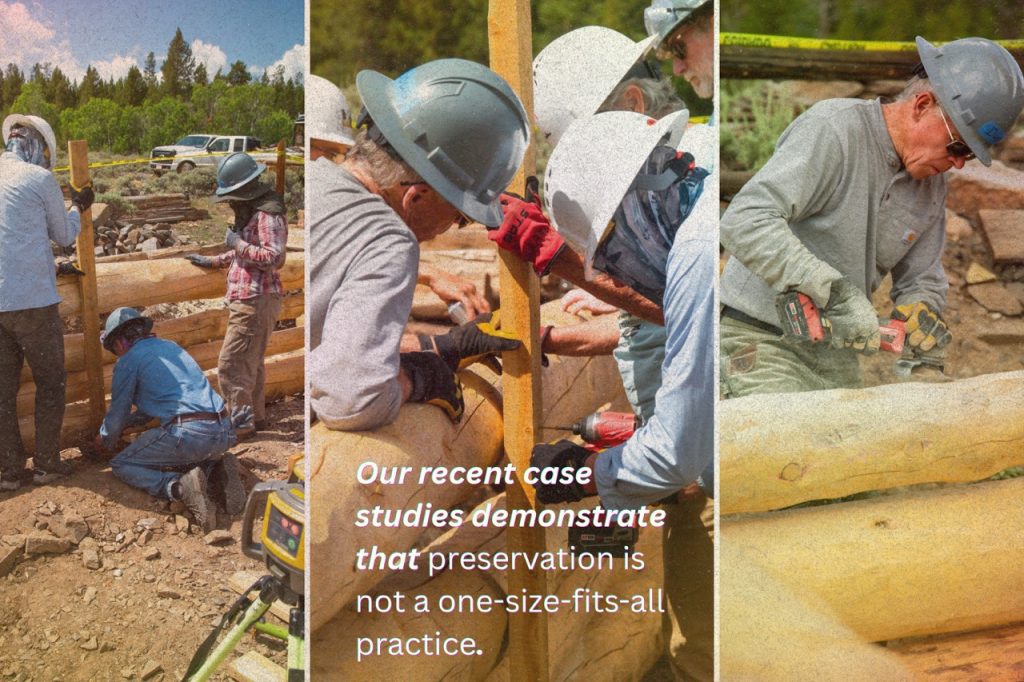
Our recent case studies demonstrate that preservation is not a one-size-fits-all practice.
At Birch Creek Charcoal Kilns, stabilization focused on retaining surviving historic masonry and construction techniques rather than rebuilding what had been lost. The work demonstrates that a historic ruin does not need to be complete or functional to retain its significance.
At Devil’s Head Lookout, preservation balanced the demands of continued operation and evolving technologies with the retention of historic character, demonstrating how a historic property can adapt to changing needs while maintaining the physical features and integrity that convey its history.
At Clear Lake Picnic Shelter, compatible log repairs and traditional woodworking techniques helped preserve the craftsmanship of the Civilian Conservation Corps while sustaining the shelter’s longstanding role in public recreation.
At Point Iroquois Lighthouse, understanding historic masonry and the effects of incompatible materials informed treatments that addressed deterioration while maintaining the landmark’s architectural character.
And at Keys Ranch, preservation extended beyond individual structures to consider the buildings, equipment, orchard, and surrounding desert landscape as interconnected elements of a significant historic property.
Together, these projects illustrate that the most appropriate preservation treatment depends on what makes each place historically significant and the physical characteristics that embody and reflect that significance.
Where Section 106 Comes In
Through our series, we’ve seen that preserving historic integrity requires more than identifying what is old or deciding what needs repair. It begins with understanding why a place is significant, recognizing the physical characteristics that reflect its history, and selecting treatments that respect those qualities.
Section 106 brings these considerations into federal decision-making, creating opportunities for preservation professionals, Tribal Nations, communities, and other consulting partners to contribute their knowledge and perspectives. This collaborative process helps ensure that decisions affecting historic places are informed by an understanding of their significance and the potential consequences of proposed changes.
Looking Ahead
As proposed revisions to the Section 106 regulations continue to be considered, these projects remind us why thoughtful and meaningful consultation remain important to the stewardship of our shared heritage. They also provide meaningful examples of why identifying historic significance, evaluating integrity, and involving knowledgeable partners matter.
From the careful stabilization of industrial ruins to the rehabilitation of historic landmarks, HistoriCorps volunteers see firsthand that preservation begins with understanding a place and making informed decisions about its care.
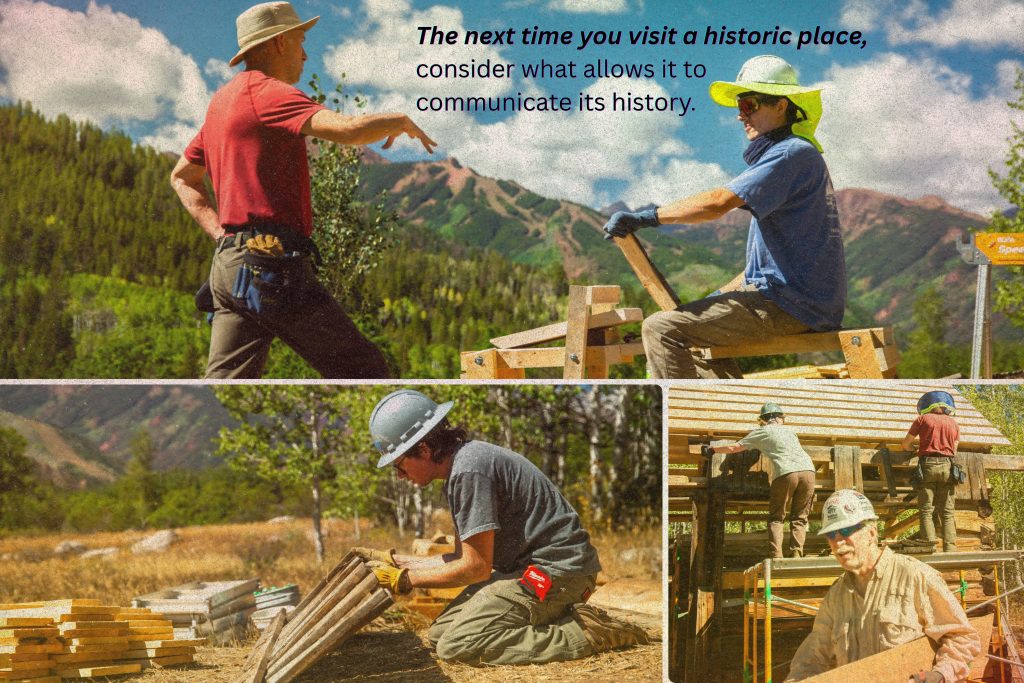
The next time you visit a historic place, consider what allows it to communicate its history. Is it the craftsmanship, the setting, the materials, or the relationship between its many features? And what might be lost if those connections disappear?
Every place has a story. Preserving its integrity helps ensure that story remains visible, meaningful, and accessible.